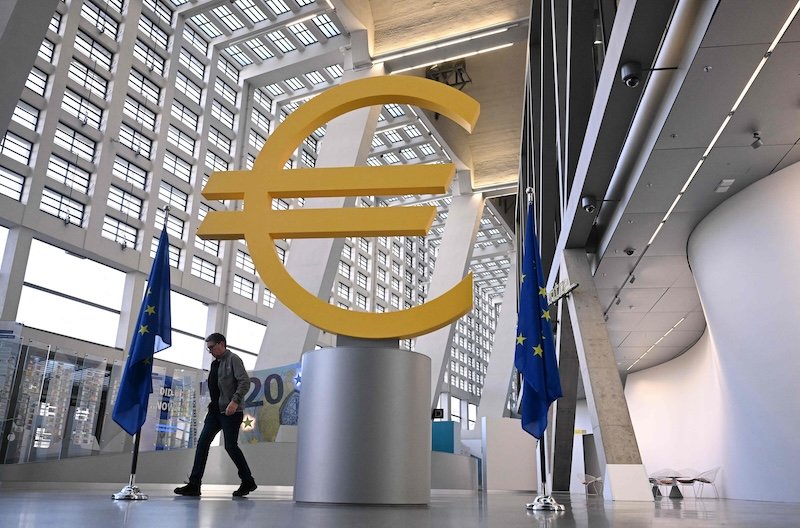
Oslo, February 15, 2026 – The Europe Today: Norway’s central bank is facing renewed pressure after fresh data showed inflation climbing higher than expected, complicating prospects for further interest rate cuts in 2026.
Statistics Norway (SSB) reported that consumer prices in January were 3.6 percent higher than in the same month last year. Core inflation, which excludes changes in utility rates and taxes, also rose sharply to 3.4 percent, largely driven by increased food prices.
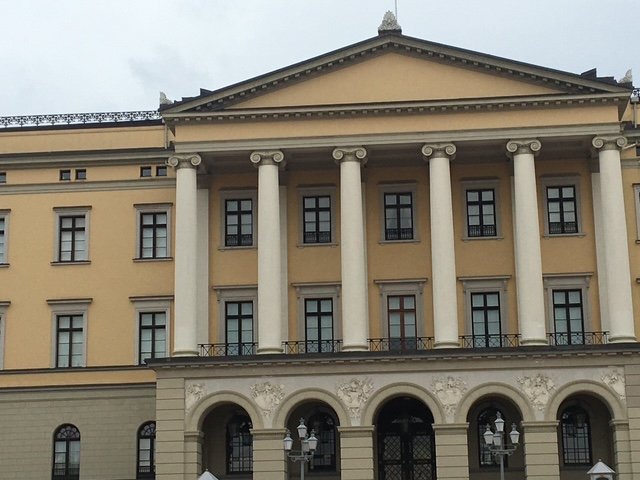
The figures were released just days before Norges Bank Governor Ida Wolden Bache delivered the central bank’s annual address at its headquarters in Oslo—an event attended by leading politicians, business executives and financial leaders. Economists suggested that the higher-than-expected inflation data may have forced last-minute revisions to her speech.
Adding to the challenge, the Norwegian Technical Calculation Committee for Wage Settlements (TBU) forecast that price growth would average 3 percent in the year ahead—well above the central bank’s 2 percent inflation target. Norges Bank had previously projected lower inflation of 2.4 percent.
Last year, Norwegian households experienced a modest recovery in purchasing power as wages rose by an average of 4.8 percent while inflation averaged 3.1 percent. However, with inflation now ranging between 3 and 3.7 percent, wages would need to rise above that level to preserve real income growth.
The developments present a dilemma for Norges Bank’s monetary policy committee. The central bank had maintained relatively high interest rates compared to other countries before cutting its policy rate to 4.25 percent last June—the first reduction in five years—followed by another cut to 4 percent in September. The move offered some relief to mortgage holders, particularly in urban areas where housing prices remain elevated.
At the time, the rate cuts were described by Bache as a “cautious normalization,” aligning Norwegian rates more closely with neighbouring Sweden, where policy rates have been significantly lower. Many economists had expected further reductions in 2026, but the recent inflation data has cast doubt on that outlook.
Kjersti Haugland, Chief Economist at DNB Carnegie, described the higher inflation as “very bad news for Norges Bank,” while Nordea’s Chief Economist Kjetil Olsen called it “a slap in the face.” Analysts at Sparebank 1 Markets and Handelsbanken suggested that interest rates may have already reached their lowest point, warning that the inflation figures could end hopes for additional cuts. The concerns come amid news that housing prices rose 3.6 percent in January.
In an interview with NRK ahead of her address, Bache remained measured, emphasizing that Norway’s economy remains fundamentally strong despite elevated inflation.
“When we haven’t lowered interest rates as much as countries around us, it’s because price growth is still too high,” she said, reaffirming the central bank’s commitment to its 2 percent inflation target. She indicated that interest rates will continue to be used as the primary tool to curb inflation, signaling that further cuts are unlikely in the near term.
However, Bache struck a cautiously optimistic tone, saying the central bank does not foresee a downturn. “We think a moderate rise in the economy will continue and that purchasing power for households will also rise further,” she noted.
Beyond monetary policy, observers highlighted another significant development from Bache’s speech: Norges Bank plans to increase transparency by providing greater insight into its monetary policy committee discussions, including the release of meeting minutes detailing deliberations.