Jakarta, February 18, 2026 – The Europe Today: The Indonesian Ministry of Hajj and Umrah has reaffirmed its commitment to prioritizing the protection of elderly and high-risk pilgrims during the 2026 Hajj season, with a renewed focus on strengthening health istithaah, or readiness assessments.
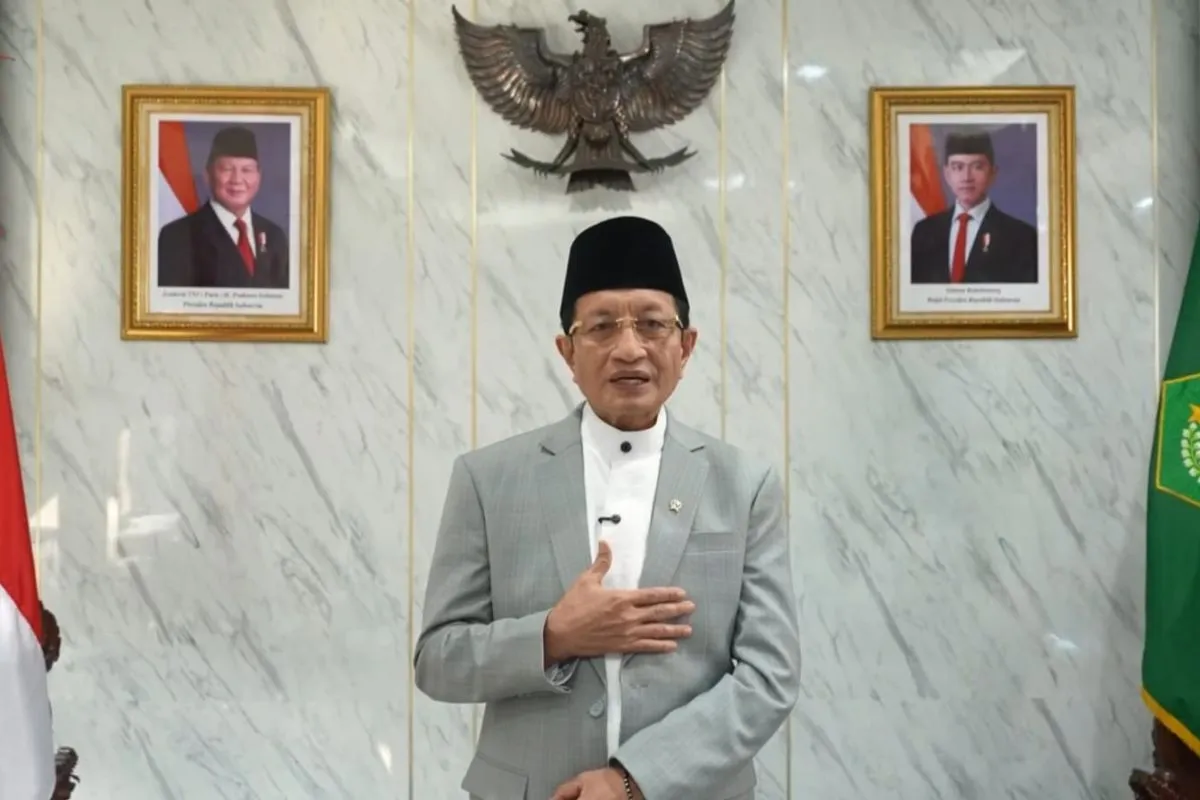
Mochamad Irfan Yusuf said safeguarding vulnerable pilgrims remains the government’s top priority.
“Protecting pilgrims, especially older adults and those at high risk, is our top priority for this year’s Hajj season,” Yusuf said in a statement received in Jakarta on Tuesday.
Speaking at the Saudi-Indonesian Umrah Co. Exchange forum in Makkah on Monday, the minister stressed that protective measures must begin well before departure from Indonesia. He emphasized that health istithaah is not merely an administrative requirement but a fundamental safety measure.
“Health istithaah is the primary foundation. We want to ensure that departing pilgrims are physically fit, that their medical conditions are well managed, and that they understand the risks associated with the pilgrimage,” he said.
Strengthened Health Screenings
The ministry is tightening health screenings, intensifying monitoring of comorbidities, and providing health and fitness education for prospective pilgrims. The measures aim to reduce the number of high-risk individuals traveling to Saudi Arabia and to ensure better medical preparedness before departure.
In Saudi Arabia, preventive health strategies will continue during the peak phase of the pilgrimage, particularly through enhanced mobility management and medical support systems.
Murur and Tanazul Schemes Optimized
Indonesia is optimizing the Murur and Tanazul schemes to minimize physical exhaustion and overcrowding among pilgrims.
Under the Murur scheme, elderly and high-risk pilgrims are allowed to pass through Muzdalifah without disembarking from their buses, significantly reducing physical strain and exposure to health risks.
The Tanazul scheme, meanwhile, enables selected pilgrims to return to their hotels earlier after performing the stoning ritual, easing congestion in the tent city of Mina.
Additionally, Indonesia has proposed deploying medical support personnel along the routes to the Jamarat to ensure rapid emergency response during the peak of the stoning ritual.
“We are shifting our approach from a reactive to a preventive one. We shouldn’t wait for pilgrims to fall ill; we must ensure they stay healthy throughout the pilgrimage,” Yusuf remarked.
The ministry’s preventive strategy reflects Indonesia’s broader efforts to enhance pilgrim safety and ensure a smoother, healthier Hajj experience for its citizens in 2026.