Hanoi, March 17, 2026 – The Europe Today: Prime Minister Phạm Minh Chính has affirmed that Việt Nam’s crude oil supply for domestic refineries remains stable and that petrol supplies for the coming months are secure, as the Government intensifies efforts to safeguard national energy security.
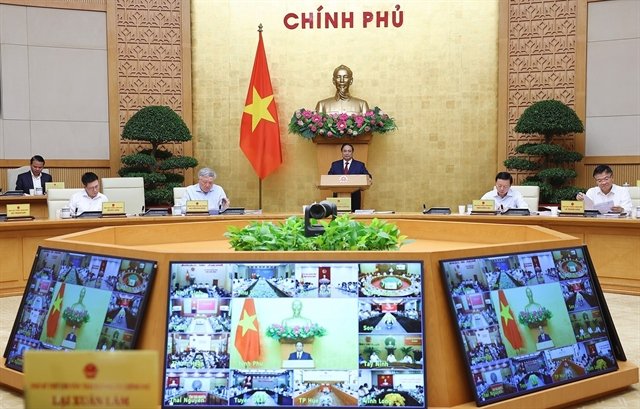
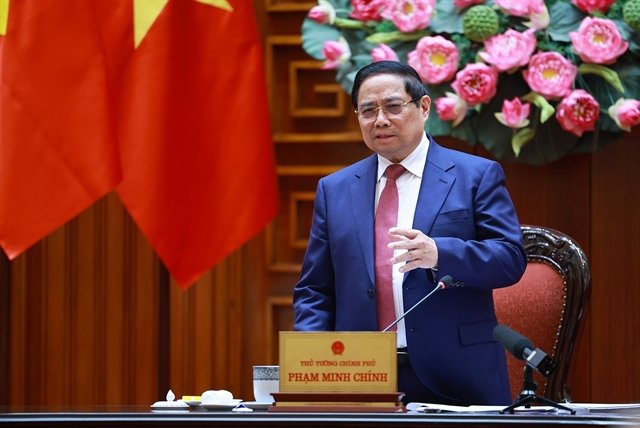
Chairing a meeting in Hà Nội on Tuesday with the national energy security task force, the Prime Minister said petrol prices have been effectively managed in line with global trends, while overall energy supplies continue to meet production and consumption demands without major fluctuations.
The meeting focused on measures to address the potential impact of ongoing Middle East tensions on global energy supply chains. PM Chính commended ministries and relevant agencies for their timely and effective response, which has helped maintain stability in the domestic energy sector.
He noted that the Government has issued a resolution outlining 10 key solutions, including strengthening energy diplomacy, boosting the exploitation of oil, gas and coal resources, and optimizing hydropower reservoir operations to support electricity generation.
Participants highlighted the Government’s flexible and proactive approach, noting that the Prime Minister has engaged with international leaders and foreign ambassadors in Việt Nam to secure continued support for stable energy supplies.
Under the Government’s direction, ministries have utilized the petrol price stabilisation fund and adjusted taxes to control price volatility. Meanwhile, State-owned enterprises have increased the supply of petrol, coal, electricity and gas, while efforts to promote energy transition, conservation and stricter market inspections have been intensified to prevent smuggling, hoarding and speculation.
Officials warned that the Middle East conflict may persist, potentially driving up global oil prices and impacting domestic supply. In response, the Government is pursuing both immediate and long-term strategies to ensure stable fuel availability for economic growth and public consumption.
Looking ahead, PM Chính outlined six key objectives: preventing energy shortages, avoiding supply chain disruptions, maintaining political and social stability, restructuring the energy sector, strengthening strategic reserves, and diversifying supply sources and markets.
To achieve these goals, the Prime Minister assigned 11 specific tasks to ministries, local authorities and enterprises. The Ministry of Industry and Trade has been tasked with ensuring uninterrupted energy supplies and stable refinery operations, securing crude imports, and accelerating the rollout of E10 petrol under Government Resolution 36.
The Ministry of Finance will coordinate on price management in line with global trends, make flexible use of the stabilisation fund, and consider adjustments to taxes and fees if global oil prices remain elevated.
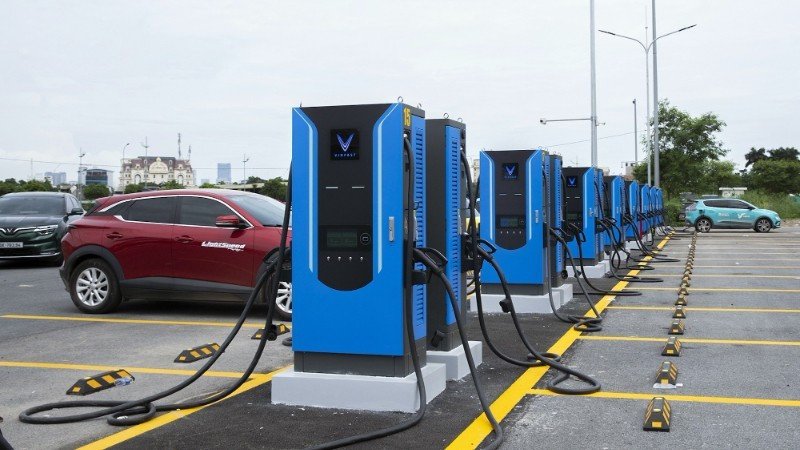
Relevant agencies have also been directed to enhance oversight of petrol trading, ensure adequate fuel for electricity generation, expand international cooperation for fuel imports, facilitate financing for energy enterprises, and promote technological innovation to improve efficiency and reduce reliance on fossil fuels.
Emphasising the importance of transparent communication, PM Chính instructed key ministries to hold press briefings every five days to provide accurate updates, prevent misinformation and maintain public confidence.
He also expressed support in principle for proposals from businesses regarding petrol transport assistance, while stressing the need to ensure the safety of Vietnamese vessels and crews and uphold the country’s international reputation.
Deputy Prime Minister Bùi Thanh Sơn has been tasked with continuing to oversee the energy security task force and report significant developments to the Prime Minister for further direction.