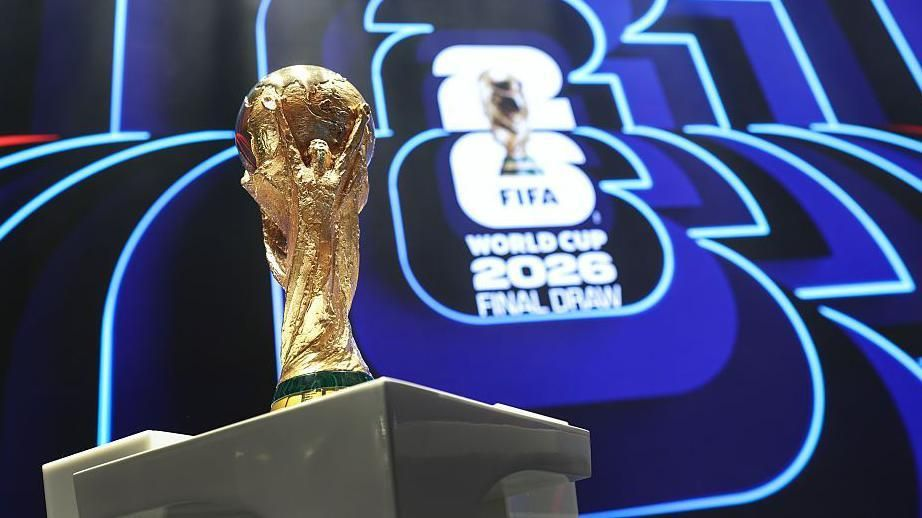
Tehran, March 20, 2026 – The Europe Today: Iran’s national football team will participate in the FIFA World Cup 2026 but plans to boycott matches scheduled in the United States, according to Football Federation Islamic Republic of Iran (FFIRI) President Mehdi Taj.
Despite early qualification for the tournament, Iran’s participation has faced uncertainty due to escalating tensions between Tehran and Washington in recent weeks. The World Cup, set to run from June 11 to July 19, will be co-hosted by the United States, Mexico, and Canada.
Iran, known as Team Melli, is currently scheduled to play all three of its group-stage matches in the United States. However, Taj said the FFIRI is in discussions with FIFA to relocate those fixtures to Mexico.
“We will boycott America, but we will not boycott the World Cup,” Taj said, confirming that Iran remains committed to competing in the tournament.
As part of its preparations, Iran is holding a training camp in Türkiye and will play friendly matches against Nigeria on March 27 and Costa Rica shortly after, as part of a four-nation invitational tournament. The event was relocated from Jordan due to regional instability.
The issue has gained further attention following comments by US President Donald Trump, who suggested that while Iranian players would be allowed to compete in the US, concerns about their safety remained. Taj cited these remarks as part of the rationale behind requesting a venue change.
Mexico has indicated openness to hosting Iran’s matches, with President Claudia Sheinbaum expressing readiness to accommodate games involving Iran, including fixtures against New Zealand, Belgium, and Egypt. However, FIFA has stated that it expects all teams to adhere to the official match schedule announced in December 2025, while confirming ongoing discussions with Iranian football authorities.
Player welfare has also been highlighted as a key concern. Beau Busch, Asia-Pacific president of the global players’ union FIFPRO, emphasized FIFA’s responsibility to ensure the safety and human rights of all participants, including players, officials, and fans.
The situation underscores the growing intersection of global sports with geopolitical tensions, placing added pressure on football’s governing bodies to balance competition integrity with security and diplomatic considerations.