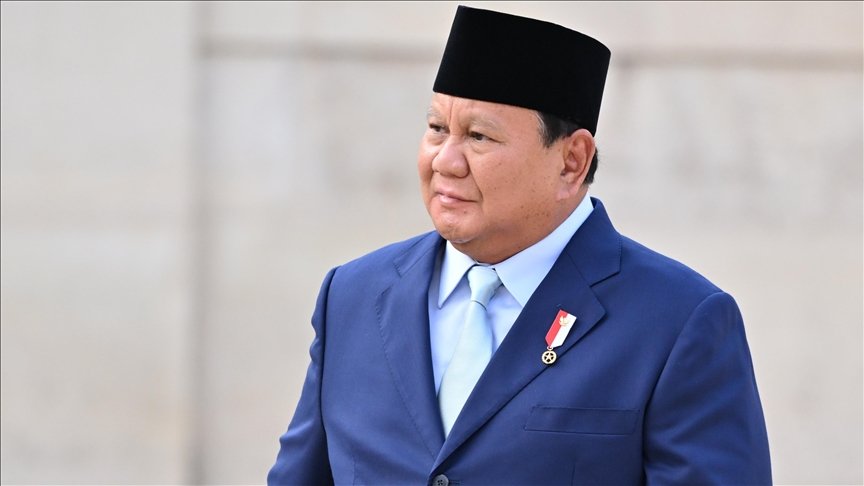
President Prabowo Subianto has proven to have a visionary and practical leadership style by not just persisting to present the growing Middle East energy crisis as a threat, but also as a source of enhancing transformation in Indonesia in the long term. In a period when the international oil markets are trembling with Brent crude oil passing 100 plus barrels, and the worry of Strait of Hormuz disruption, an idea by Prabowo that the crisis has been a blessing in disguise is both a strategy to hope and a clear policy.
Instead of defensively responding to increased energy prices, Prabowo has taken the opportunity to increase the pace of energy self-sufficiency by Indonesia. His focus on food and energy self-sufficiency goes in line with national resilience objectives on a larger scale, which places Indonesia in a position to decrease global shock vulnerability and empower domestically.
One of the major characteristics of this strategy is the focus on renewable energy. The huge untapped potential of Indonesia, which has been estimated to be more than 3,000 GW of solar, geothermal, hydro, biomass, and wind, has long gone to waste. This potential is being mobilized under the leadership of Prabowo, however. The creation of a National Energy Transition Acceleration Task Force by the government under the chairmanship of the Minister of Energy Bahlil Lahadalia highlights the governance model that is aimed at speed, coordination, and implementation.
The 100-gigawatt solar power program, especially to schools and rural communities, is an ambitious program that demonstrates both a sustainable and an inclusive approach. The government is not only spreading clean energy to disadvantaged regions, but also ensuring fair growth by meeting the environmental issues.
It is also worth noting how Prabowo believes in the diversification of energy using biofuels. The biodiesel initiative taken by Indonesia, which is already one of the foremost in the world, serves as the example of how the local agricultural resources can be exploited to decrease the dependence on foreign fossil fuels. The scheduled shift to B50 bio-diesel and the introduction of E20 bio-ethanol by the year 2028 are a pointer to a total and gradual change in the energy reform.
These are not just green window dressing policies but have practical economic gains. The biodiesel program on its own is expected to save billions of foreign exchange due to a cut in foreign fuel imports, and also enhance the domestic industries like palm oil and bio energy generation. Meanwhile, the cautious and evidence-based assessments of the government in terms of price driving forces and supply chains reflect a sensible and responsible style of policy making.
The technological and infrastructural preparedness in the strategy of Prabowo also recognizes the importance of such a factor. Green infrastructure, adoption of electric vehicles, and simplified regulatory frameworks (excise reforms of bioethanol) are examples of an overall insight into the energy transition ecosystem.
More importantly, this vision is based on sustainability. By connecting the policy of energy and climate objectives and intergenerational responsibility, Prabowo brings the discussion to a higher level to environmental stewardship rather than managing crisis in the short run. His presentation of clean energy as not only a requirement but a lifestyle also finds solidarity with the international call of action on climate and keeps firmly national.
Essentially, the reaction that President Prabowo Subianto gave to the international energy crisis is a classic case of adaptive leadership. He is making Indonesia shift towards a more resilient, self-reliant and sustainable future by turning outside forces into internal forces.
Owner of “The Europe Today” and Patron-In-Chief/Owner of “The Gulf Observer”, Chairman “The Gulf Observer Research Forum”, Foreign Affairs Expert, Analyst, International Award Winning Author and Poet.