Kazakhstan leverages cultural, historical, and natural landmarks to construct a cohesive national identity. From monuments and museums to alpine resorts and sacred sites, these spaces integrate heritage, modernity, and public memory, fostering patriotism, social cohesion, and global recognition.
Kazakhstan’s nation-building strategy actively employs cultural, historical, architectural, and natural landmarks as anchors of collective identity, civic pride, and historical continuity. Her coalescence of heritage sites, modern infrastructure, and natural wonders constitutes a coherent narrative that reinforces social cohesion, fosters patriotism, and situates Kazakhstan as both a custodian of Turkic civilization and a modern state in Central Asia.
National Museum of the Republic of Kazakhstan
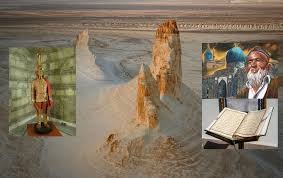
As the largest museum complex in Central Asia, the National Museum (located in Astana) was established to narrate Kazakh history, culture, and identity. It houses invaluable artifacts, including the internationally renowned Golden Man, a symbolic figure of ancient steppe warrior culture that reflects the historical depth of Kazakh civilization. The museum’s exhibitions link pre‑Soviet past and post‑independent development, thus playing a significant role in shaping collective memory and reinforcing national pride.
Astana Opera
The Astana Opera and Ballet Theatre, constructed in 2013 under presidential initiative, represents Kazakhstan’s commitment to the performing arts and cultural sophistication. As one of the largest theatres in Central Asia, it embodies state support for artistic excellence and showcases works that reflect national narratives, including traditional motifs and historical experiences. Such cultural institutions serve as vectors of elite culture in nation‑building, projecting Kazakhstan’s cultural confidence domestically and abroad.
Saken Seifullin Museum
The house‑museum of Saken Seifullin, one of Kazakhstan’s “Five Heroes” (Bess Arys), commemorates a seminal figure in Kazakh national literature and political awakening. It preserves exhibits about his life and writings, including Tar Zhol, which describes the trials of early 20th‑century Kazakh society. Museum and monument sites like this create a connective tissue between individual heroism and national narrative, fostering respect for cultural ancestors and embedding shared psychological resilience in the national mythos.
Library of the First President
The Library of the First President serves as an archive, museum, educational institution, and research centre focused on Kazakhstan’s formation and development. By documenting state policies, presidential ideas, and historical documents, it contributes to institutional memory and legitimization of the modern state, reflecting how leadership narratives are institutionalized within national consciousness.
Medeu Ice Complex
The Medeu Ice Complex, located at approximately 1,691 m above sea level near Almaty, holds the world’s largest outdoor skating rink. Its international records and use in global competitions enhance Kazakhstan’s image in world sports culture, integrating athletic achievement into national identity and highlighting the state’s high‑altitude natural geography as a source of pride.
Panfilov Park
Panfilov Park in Almaty commemorates the “28 Guardsmen” of World War II, whose stand at the Battle of Moscow symbolizes collective sacrifice. The park’s memorial structures and eternal flame create narrative continuity from the Soviet era into independent Kazakhstan, fostering historical remembrance and patriotic sentiment.
Baiterek Tower
The Baiterek Monument in Astana, standing 105 m tall, is a central symbol of Kazakhstan’s post‑independence identity. Built on presidential initiative after the capital relocation to Astana (then Nur‑Sultan), it represents the “Tree of Life” and the nation’s aspirations for the future. Baiterek combines historical symbolism with modern architecture, thus embodying political vision, technological progress, and national pride.
Khan Shatyr Entertainment Centre
Khan Shatyr, a neo‑futuristic structure in Astana designed by Norman Foster, functions as a cultural and leisure centre. Its transparent tent shape evokes traditional nomadic architecture while showcasing modern engineering. Serving as both an urban park and entertainment complex within a climate‑controlled environment, it illustrates the merging of heritage and modernity in Kazakhstan’s nation‑building narrative.
Palace of Peace and Reconciliation
The Palace of Peace and Reconciliation (also known as the Pyramid of Peace) was inaugurated in 2006 to host the triennial Congress of Leaders of World and Traditional Religions. Designed by Foster and Partners, the 62 m pyramid symbolizes inter‑religious harmony, multicultural cohesion, and Kazakhstan’s diplomatic identity as a bridge between civilizations.
Natural Landscapes: Kaindy Lake, Charyn Canyon, Big Almaty Lake, Burabay
Natural wonders such as Kaindy Lake and Charyn Canyon exemplify Kazakhstan’s ecological heritage, attracting both domestic and international visitors. Charyn Canyon’s dramatic geological formations are preserved within Charyn State National Park, contributing to environmental identity and tourism. Burabay National Park and Big Almaty Lake serve as symbols of national natural beauty and are integrated into national narratives of wilderness and heritage, enhancing Kazakhstan’s global image.
Ancient and Religious Monuments: Khoja Ahmed Yasawi, Aisha Bibi, Akyrtas Fortress
The Mausoleum of Khoja Ahmed Yasawi in Turkestan is a UNESCO World Heritage Site, emphasizing Kazakh spiritual heritage and Central Asian artistic achievement and strengthening historical continuity. Architectural treasures like the Aisha Bibi Mausoleum and Akyrtas Fortress link contemporary Kazakhstan to its medieval past, helping embed historical depth into national identity.
Shymbulak Ski Resort
Shymbulak is a prominent alpine ski resort located in the Zailiyskiy Alatau mountains, just 25 km from Almaty. It is regarded as the primary winter sports centre in the Commonwealth of Independent States and one of Central Asia’s most significant ski resorts, offering guaranteed snow and modern facilities up to 3,200 m elevation. Its accessibility from Almaty integrates urban life with mountain recreation, making winter sports a shared cultural experience that contributes to national identity and tourism development.
Conclusion
Kazakhstan’s diversified use of cultural infrastructure, natural heritage, and monumental architecture reflects a multifaceted nation‑building strategy. By interweaving modern state narratives with ancient traditions, natural landscapes, and innovative design, Kazakhstan establishes a coherent collective identity that resonates with both citizens and international audiences. These sites not only commemorate history but also act as psychological anchors that unify diverse social groups while projecting the nation’s aspirations in the 21st century.