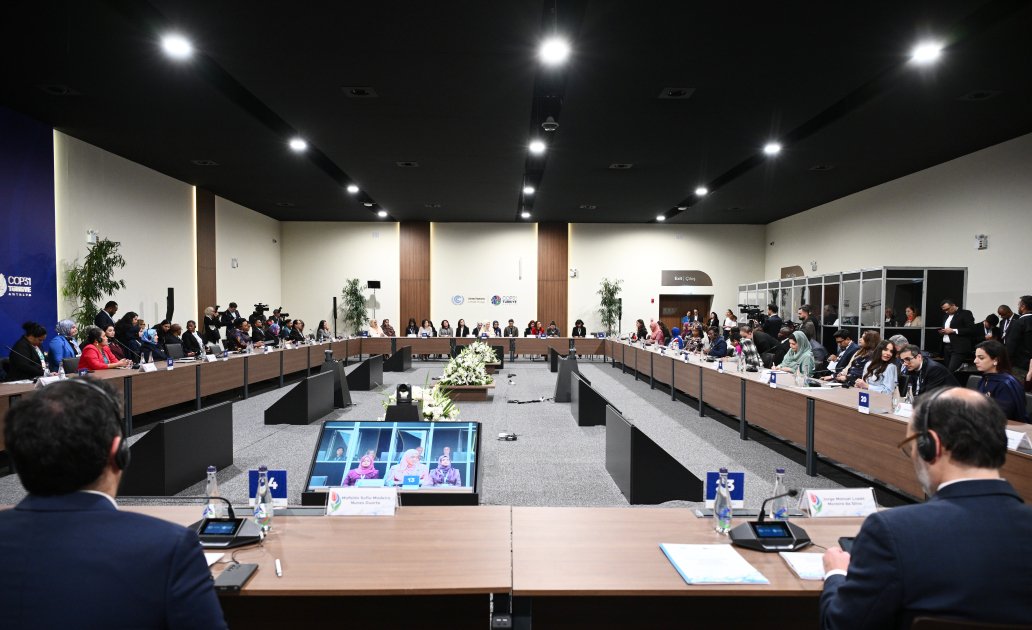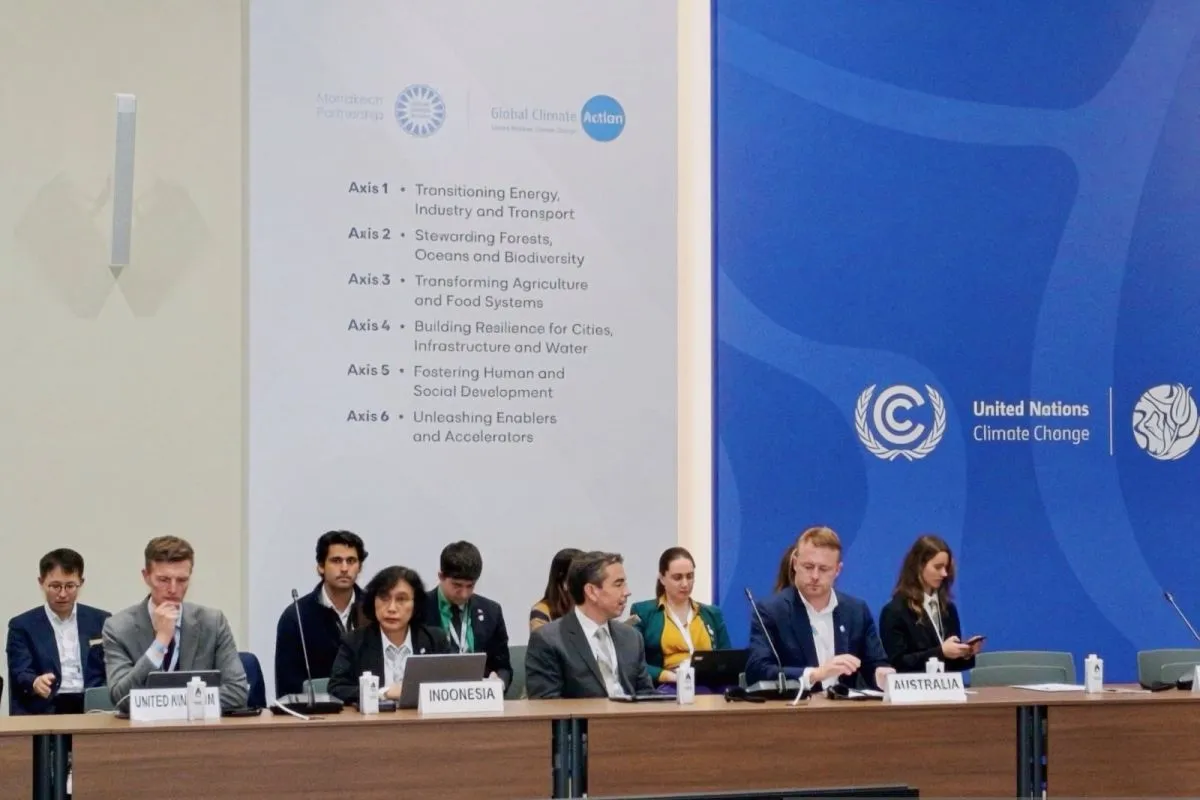
Antalya, The Europe Today: The Turkmenistan Pavilion hosted a thematic session on November 13 titled “From Avaza to Antalya: Advancing Climate Action and Implementing the Avaza Action Programme for Landlocked Developing Countries.” It was the pavilion’s second thematic session at the 31st session of the Conference of the Parties to the United Nations Framework Convention on Climate Change (COP31) in Antalya, Türkiye.
The session focused on strengthening international cooperation on climate change and putting the Avaza Programme of Action for 2024–2034 into practice. The programme was adopted at the Third United Nations Conference on Landlocked Developing Countries (LLDC3), held in Turkmenistan in August 2025.
The event brought together representatives of landlocked developing countries, international organisations, specialised UN agencies and development partners. Gulshat Yusupova, Rector of the Institute of International Relations of Turkmenistan’s Ministry of Foreign Affairs, gave the opening remarks.
Climate Priorities of the Avaza Programme
Discussions centred on the climate priorities of the Avaza Programme of Action. These include building climate resilience, widening access to climate finance, helping transfer modern technologies and strengthening national capacities.
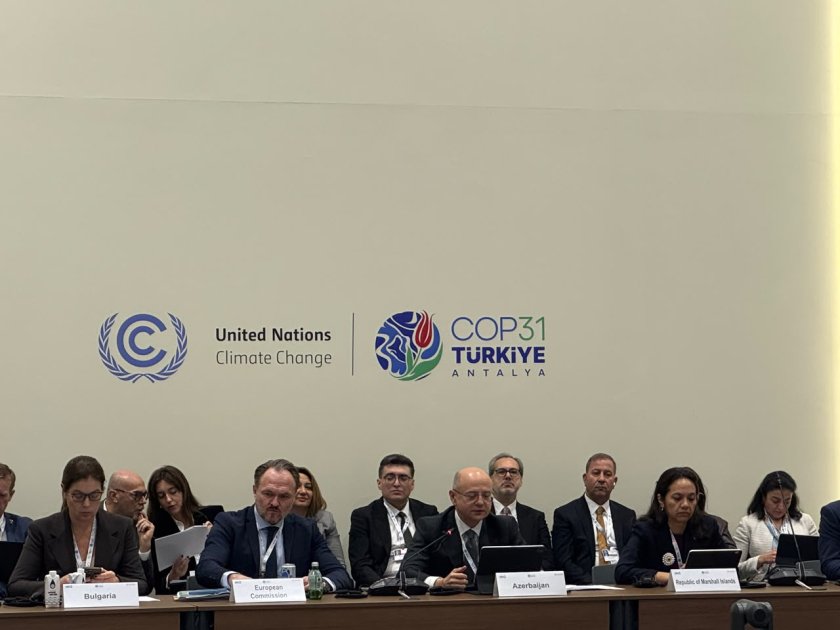
The session paid close attention to how countries are carrying out their national climate priorities in practice. Representatives of Bhutan, Kyrgyzstan, Bolivia, Botswana, Azerbaijan, Kazakhstan, Uzbekistan and Mongolia shared their approaches to adapting to climate change, sustainable development and regional cooperation.
Mobilising Finance and Partnerships
In a separate discussion, representatives of the Food and Agriculture Organization of the United Nations (FAO), the Organization for Security and Co-operation in Europe (OSCE), the World Meteorological Organization (WMO) and other partners looked at ways to raise funding, provide technical help and develop joint climate initiatives.
Participants also discussed how to coordinate the mechanisms of the UN Framework Convention on Climate Change more closely with the work of carrying out the Avaza Programme of Action.
At the end of the session, participants stressed three priorities for advancing concrete climate initiatives: continued coordination among landlocked developing countries, more sharing of practical experience, and stronger partnerships with international organisations.
The session carried forward the international dialogue that began in Avaza. It also underlined the importance of the Avaza Programme of Action as a framework for sustainable development and climate resilience in landlocked developing countries.