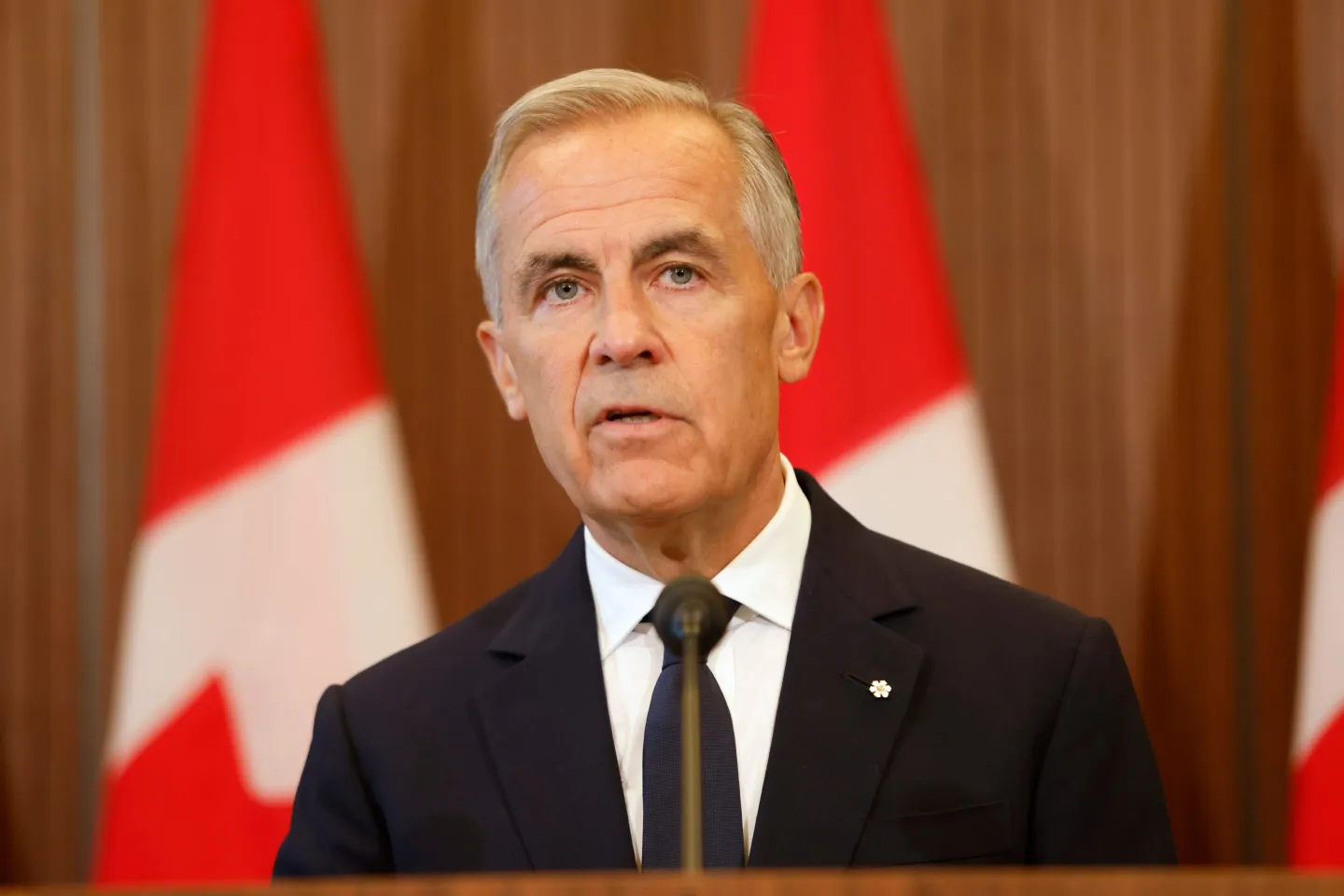
Ottawa, February 18, 2026 – The Europe Today: Prime Minister Mark Carney has announced a sweeping new “Buy Canadian” defense strategy aimed at reducing Canada’s reliance on the United States, revitalizing domestic defense production, and addressing decades of underinvestment in the military sector.
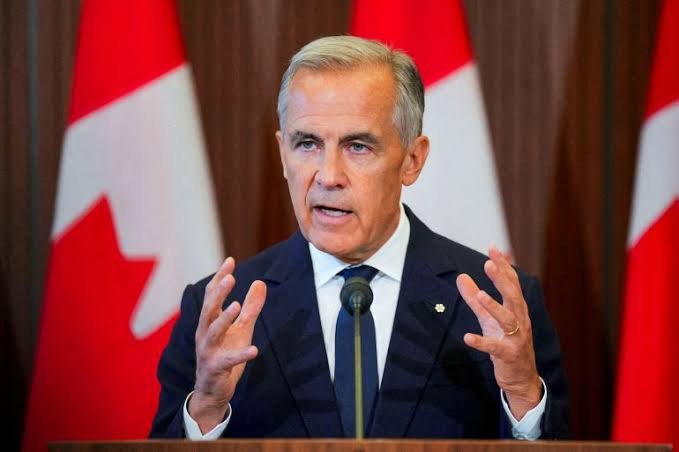
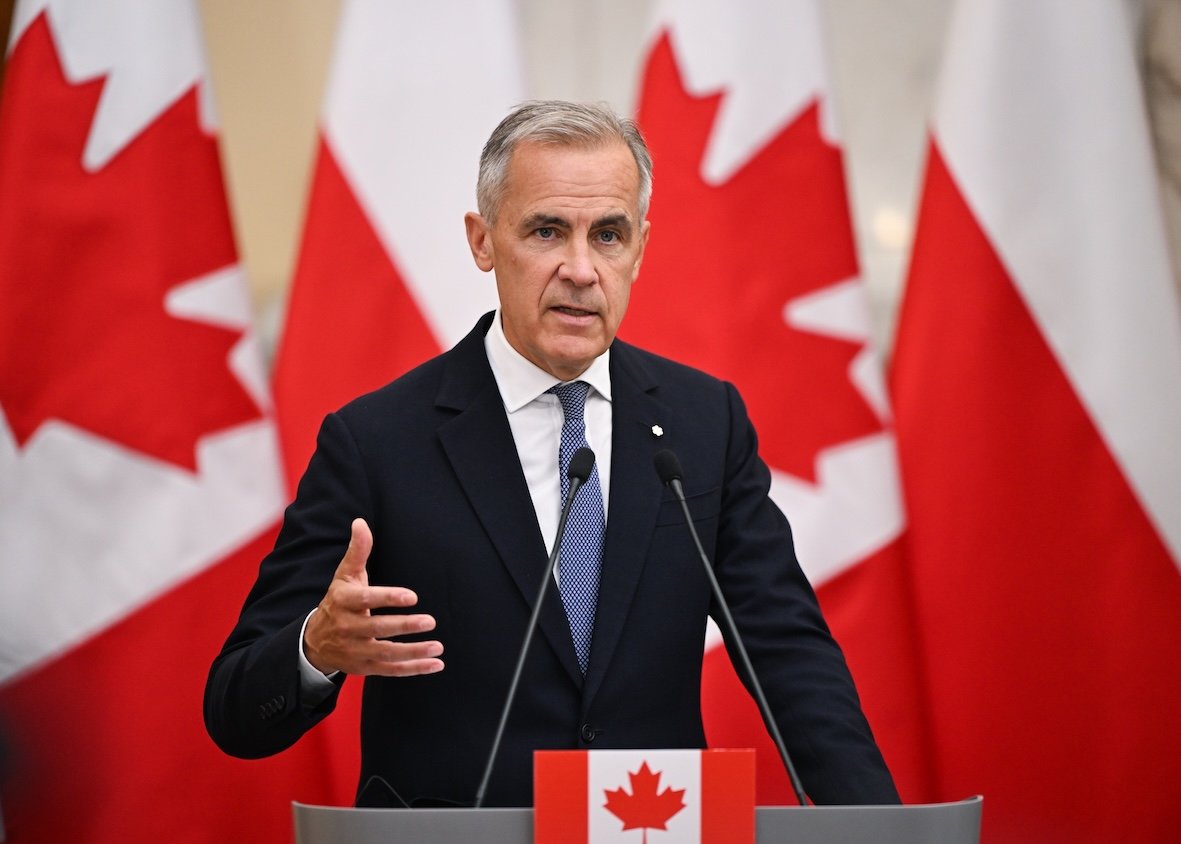
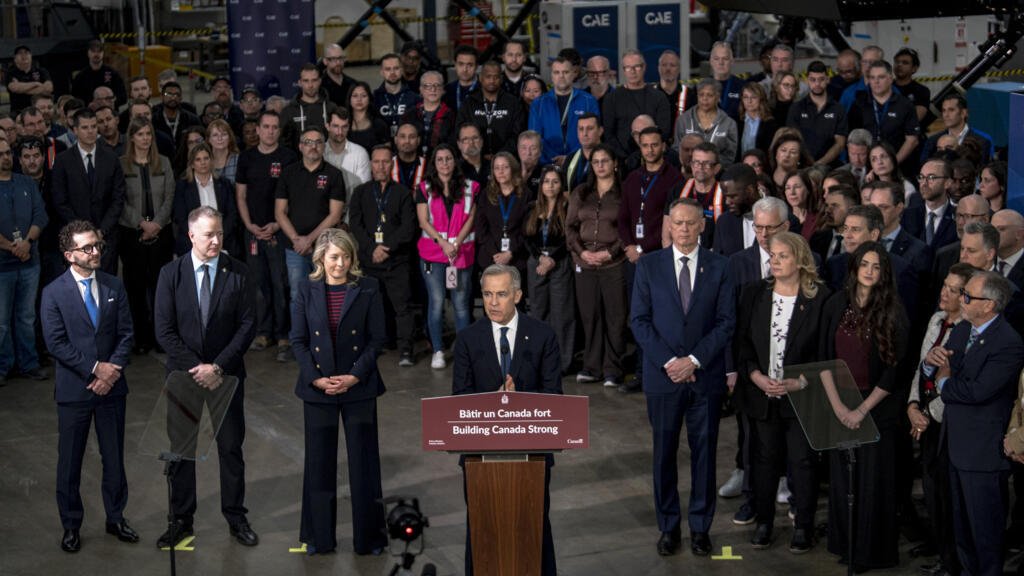
Speaking Tuesday in Montreal, Carney introduced the long-awaited Defense Industrial Strategy, describing it as a blueprint to strengthen Canada’s sovereignty and economic resilience while adding an estimated 125,000 new jobs over the next decade.
“There are many strengths to this partnership that we have with the United States, but it is a dependency,” Carney said, underscoring the need for Canada to expand its domestic defense industrial base “so we are never hostage to the decisions of others when it comes to our security.”
While reaffirming Canada’s longstanding military cooperation with Washington — including the bilateral continental defense pact North American Aerospace Defense Command (NORAD), which he called a “fundamental” partnership — Carney stressed that evolving geopolitical realities demand greater self-reliance. The strategy also envisions deeper defense partnerships with European and key Indo-Pacific allies amid what he described as a shifting global security landscape influenced by U.S. President Donald Trump’s assertive trade and security policies.
Major Spending Commitments
Carney pledged that Canada would double its defense expenditures by the end of the decade, amounting to an additional C$80 billion over the next five years. As part of Canada’s commitments to North Atlantic Treaty Organization, the government will invest an additional C$45 billion annually in domestic resilience initiatives.
He further committed to meeting NATO’s defense spending benchmark of 2 percent of GDP this year for the first time, with a long-term goal of reaching 5 percent by 2035.
“The truth is, over the last few decades, Canada has neither spent enough on our defense nor invested enough in our defense industries. We’ve relied too heavily on our geography and others to protect us. This has created vulnerabilities that we can no longer afford,” Carney said, acknowledging longstanding criticism from U.S. leaders that Canada has lagged in defense spending.
‘Buy Canadian’ as Guiding Principle
The new strategy positions “Buy Canadian” as the guiding principle for defense procurement. By summer, the government plans to identify “defense champions” — key strategic partners tasked with driving growth in priority sectors.
The plan outlines 10 core “sovereign capabilities” for the Canadian Armed Forces, including aerospace platforms, artificial intelligence and quantum computing, land-, sea-, and space-based intelligence systems, missile and arms production, specialized manufacturing of vehicles and ships, and advanced drone technologies capable of operating above and below water.
Currently, nearly half of Canada’s defense-related products and services are exported, with 69 percent going to the United States and other Five Eyes partners — the United Kingdom, Australia, and New Zealand. The government aims to rebalance this dynamic by increasing the share of defense contracts awarded to Canadian firms to 70 percent, boosting defense exports by 50 percent, and raising government investment in defense-related research and development by 85 percent.
Additionally, the strategy targets a more than 240 percent increase in defense-industry revenues over the next decade, including an annual boost of over C$5.1 billion for small and medium-sized enterprises. Officials estimate that achieving these objectives by 2035 could generate more than half a trillion dollars in overall investment in Canada.
Safeguarding Sovereignty
Carney said the initiative is critical to protecting Canadian sovereignty, particularly in the Arctic, where strategic competition is intensifying. He also highlighted the changing nature of warfare, marked by the proliferation of drones and autonomous weapon systems.
“The nature of warfare is changing because of the proliferation of drones and autonomous weapon systems,” he said. “This strategy is about protecting Canada’s sovereignty in its fullest sense.”
The strategy document was credited to Defense Minister David McGuinty, Industry Minister Mélanie Joly, and Secretary of State for Defense Procurement Stephen Fuhr.
Carney had originally planned to unveil the strategy last week but postponed the announcement following a mass shooting in British Columbia. The tragedy also led to the cancellation of his planned address at the Munich Security Forum, which was to build on his remarks at the World Economic Forum in Davos.
In Montreal on Tuesday, the prime minister signaled a recalibration of Canada’s defense and foreign policy approach, stating in French that longstanding assumptions underpinning Canadian defense policy “have been completely upended,” necessitating a bold new direction.