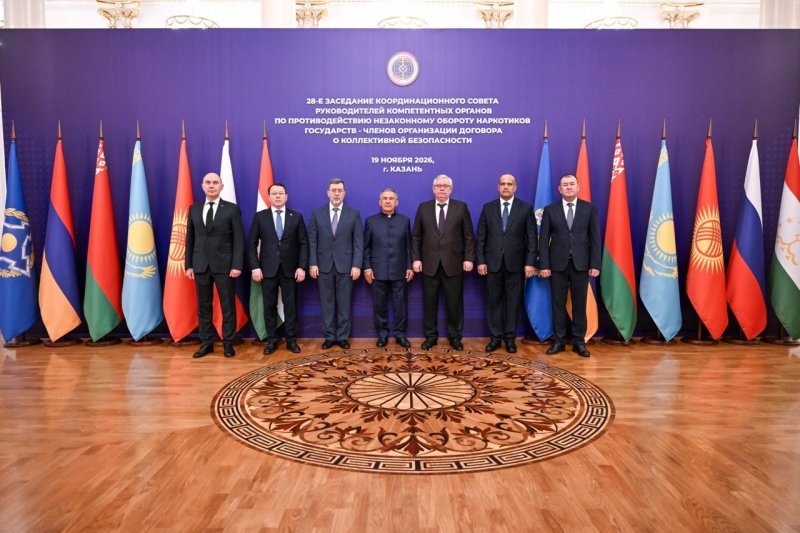
Tashkent, The Europe Today: Health leaders from across the Commonwealth of Independent States gathered in Tashkent for the 39th Meeting of the CIS Healthcare Council, where they agreed on priorities ranging from cancer and diabetes prevention to a unified system for responding to epidemic threats. Tajikistan used the meeting to present its progress in fighting disease and modernising healthcare.
The meeting of the Council for Cooperation in Healthcare of the CIS took place on November 26–27 in the Uzbek capital. A delegation from Tajikistan’s Ministry of Health and Social Protection of the Population took part.
Broad Regional and International Participation
According to Tajikistan’s Ministry of Health and Social Protection of the Population, the meeting brought together representatives of:
- the Council Secretariat
- CIS member states
- the World Health Organization (WHO) Regional Office for Europe
- research institutes and scientific centres of member states
WHO’s participation highlighted the international weight of the talks and the value of linking CIS health efforts with global public health standards.
Tajikistan Highlights Its Healthcare Achievements
During the meeting, the Tajik delegation presented the country’s achievements in combating communicable and non-communicable diseases. They also highlighted innovations in Tajikistan’s healthcare sector and pointed to opportunities for deeper cooperation with partner countries.
Members of the delegation took an active part in the discussions throughout the two-day meeting.
Cancer, Diabetes and Tuberculosis on the Agenda
The CIS Healthcare Council discussed a wide range of key health issues. Top of the agenda were:
- prevention of diabetes and cancer
- cross-border tuberculosis control
- strengthening public health systems across the CIS
- building up the healthcare workforce
The emphasis on workforce reflects a shared challenge across the region: training and keeping enough skilled doctors, nurses and health specialists to meet growing demand.
Mothers, Children and Demographic Security
Participants also looked at maternal and child health, describing it as a key factor in demographic security and the sustainable development of CIS member states. Healthy mothers and children, they stressed, are the foundation of strong societies and economies.
Toward a Unified Shield Against Epidemics
One of the most important topics was the creation of a unified system for preventing and responding to epidemic threats across member countries. Such a system would help CIS states share information faster, coordinate responses and contain outbreaks before they spread across borders.
The Council also reviewed its work plan for 2027, setting the direction for regional health cooperation in the year ahead.
Why the CIS Healthcare Council Matters
Diseases do not respect borders, and many of the region’s health challenges, from tuberculosis to epidemic preparedness, call for joint action. By bringing together ministries, scientists and international partners, the CIS Healthcare Council gives member states a platform to share experience, align strategies and build stronger health systems.
For Tajikistan, the Tashkent meeting was a chance to show its progress and to strengthen partnerships that support the health of its citizens.