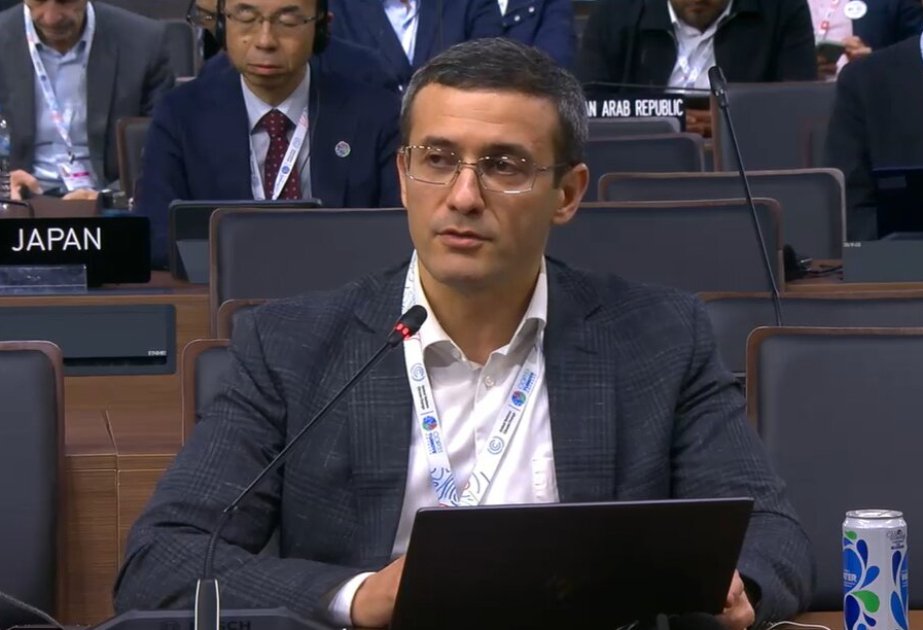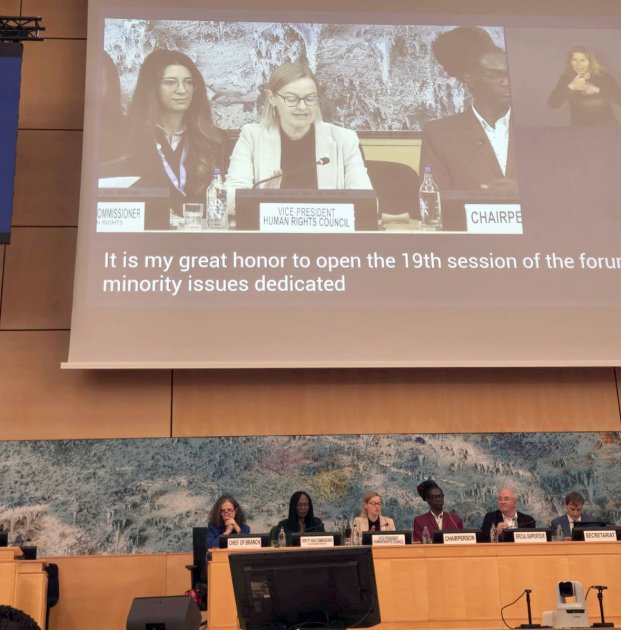
Geneva, The Europe Today: The rights of Western Azerbaijanis were raised at the United Nations in Geneva. Rizvan Nabiyev, a Member of Azerbaijan’s Milli Majlis, told the 19th session of the UN Forum on Minority Issues that peace between Azerbaijan and Armenia will only last if it includes them and respects their fundamental human rights.
The two-day session ran on November 26–27. It was convened under Human Rights Council resolutions 6/15 and 19/23 and looked at how regional frameworks, mechanisms and initiatives can protect minority rights. The agenda covered putting international standards into practice at the regional level, giving minorities a real part in decision-making, and protecting their rights in practice.
Peace Must Include Western Azerbaijanis, Says Nabiyev
Nabiyev stressed that inclusive dialogue is essential to a lasting peace between Azerbaijan and Armenia. He described the 2025 Washington Summit and the initialing of the peace agreement as a major turning point in the process.
He argued that the peace process cannot succeed unless it addresses the people forced out of their ancestral homes. He said lasting peace must respect the fundamental rights of Western Azerbaijanis.
Displacement Figures Cited from UN and Bundestag Records
The Azerbaijani MP pointed to the forced displacement of Western Azerbaijanis and backed his case with international sources. He recalled that a 2008 United Nations report said at least 185,000 Azerbaijanis fled Armenia between 1988 and 1991, as ethnic tensions and violence escalated.
He also cited a resolution of the German Bundestag dated 12 June 2015, which referred to the expulsion of 250,000 Azerbaijanis from Armenia.
Missing Persons and Landmines: The Human Cost
Nabiyev also set out the wider humanitarian consequences of the conflict. He said 4,010 Azerbaijanis went missing as a result of the wars with Armenia. He added that 13 per cent of Azerbaijan’s territory is contaminated by landmines.
He said the international community must:
- protect the fundamental rights and cultural heritage of Western Azerbaijanis
- make sure they take part in decisions that affect their future
- uphold their right to return in safety and dignity
Three Thematic Discussions Shape the UN Forum on Minority Issues
Beyond the national statements, the session held three main thematic discussions. Together they covered stronger legal and institutional mechanisms, making sure minority voices shape decisions, and putting existing rights into practice.
Regional frameworks, mechanisms and initiatives to advance minority rights. Delegates looked at what regional human rights systems are able to do, how international standards are being applied, and how to close gaps in protection. They paid particular attention to cooperation with civil society and to applying established standards effectively.
Effective inclusion of minority voices at the regional level. Participants discussed the financial, linguistic, legal and political barriers that keep minorities out of decision-making, and how to remove them. The focus was on giving communities a real say in the decisions that affect them and on helping them engage with United Nations mechanisms.
Enforcing minority rights through monitoring, litigation and other accountability processes. This discussion was about turning legal standards into real protection, making sure people can get justice, and carrying out regional decisions. Monitoring, litigation, State reporting and civil society engagement were seen as the key tools.
A Message Heard in Geneva
Nabiyev’s statement in Geneva puts the case of Western Azerbaijanis on the UN’s minority rights agenda at a sensitive point in the Azerbaijan–Armenia peace process. His central message to the forum was that a peace agreement on paper must also deliver rights, dignity and the possibility of return for the people displaced by decades of conflict.