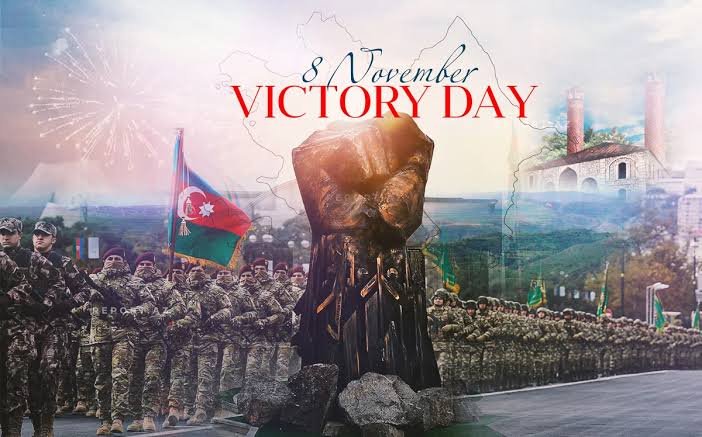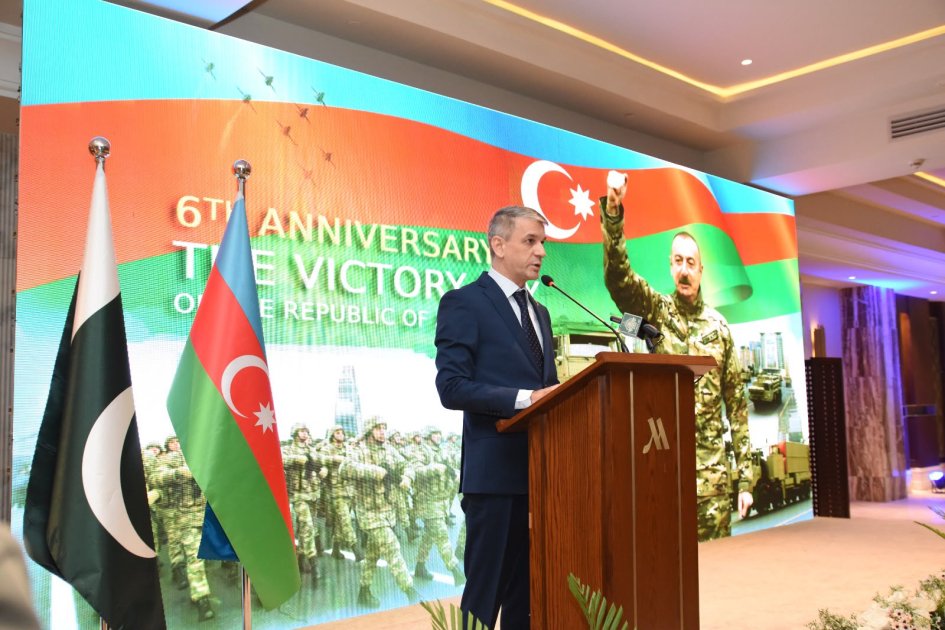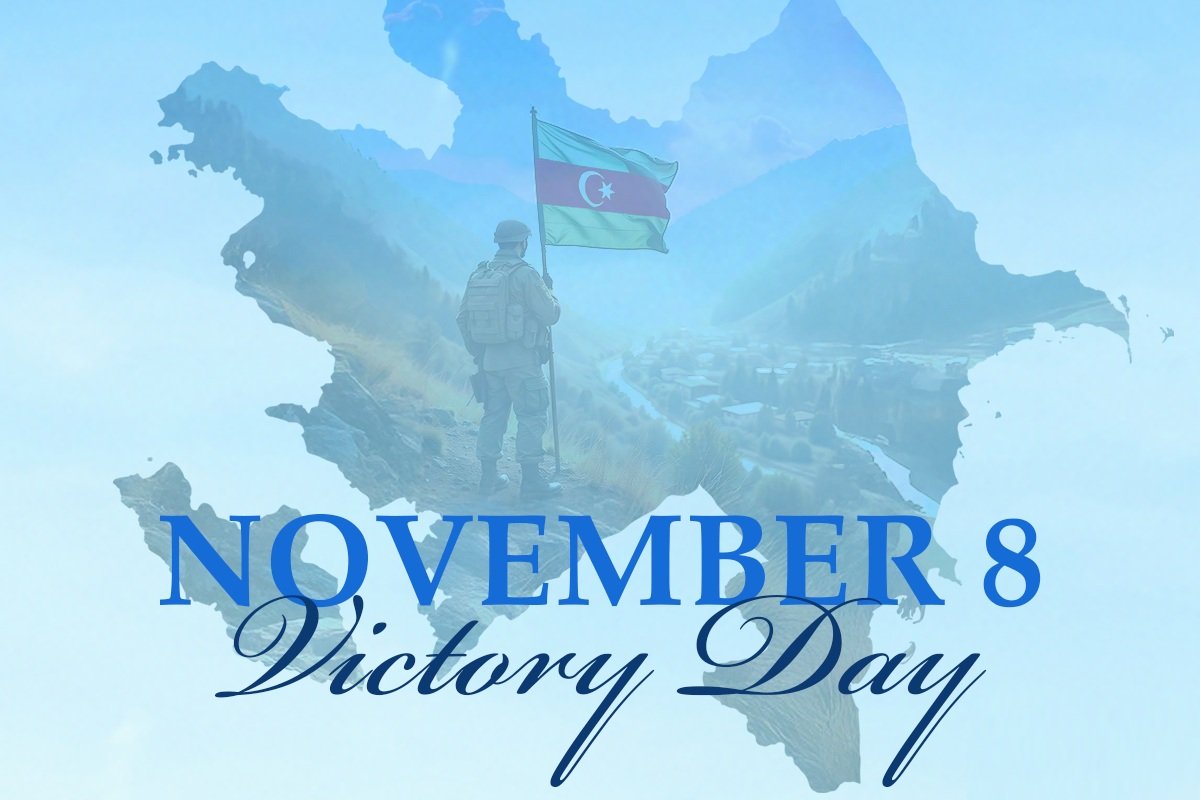
The history of every nation is shaped by defining events that leave an indelible mark on its national identity and determine the direction of its future. Some dates become symbols of courage, others represent the triumph of national aspirations and the restoration of historical justice. For Azerbaijan, November 8 – Victory Day – embodies all these meanings. It is a date of exceptional historical significance, marking a decisive moment in the country’s modern history and opening a new chapter in its development.
The 44-day Patriotic War of 2020 became a turning point for the Azerbaijani state and society. The victory achieved during this period demonstrated the determination of the Azerbaijani people, the professionalism of the Armed Forces and the country’s resolve to restore its territorial integrity. The liberation of Shusha on November 8 became the culmination of this historic campaign and established the date as one of the most significant in Azerbaijan’s national calendar.
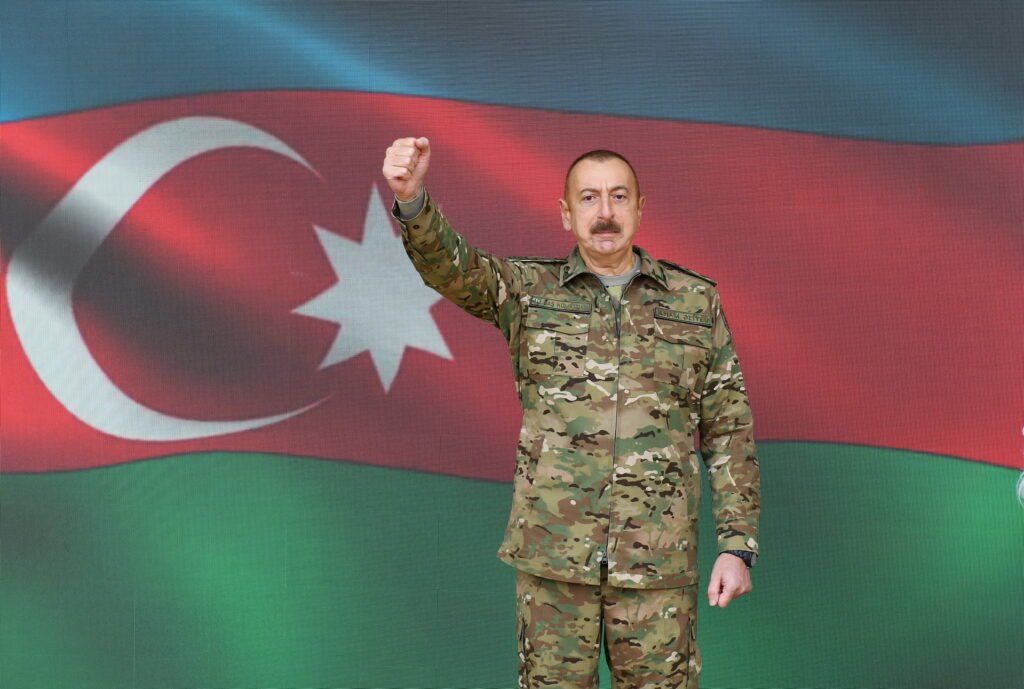
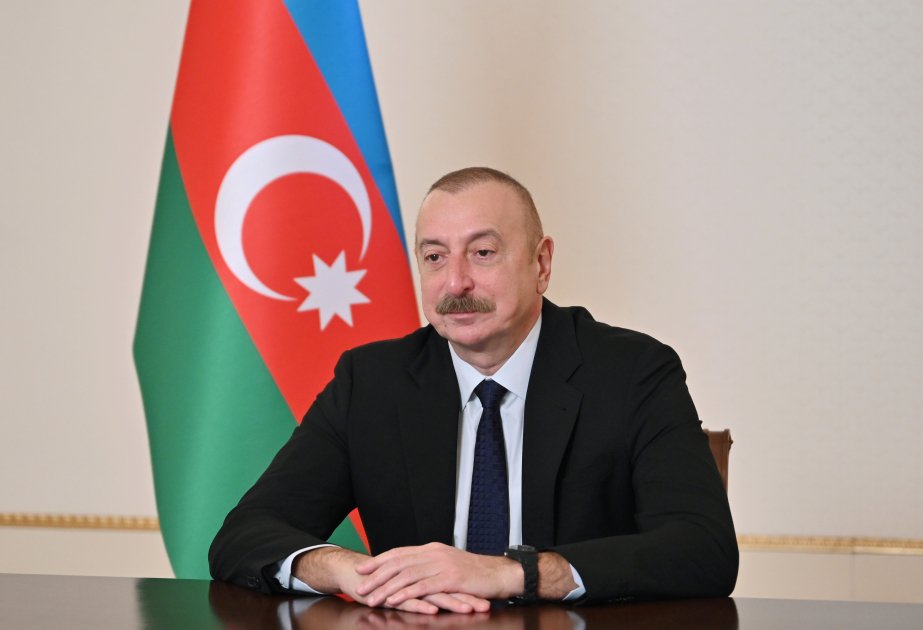
A central place in this historic achievement belongs to President of the Republic of Azerbaijan Ilham Aliyev, Supreme Commander-in-Chief of the Armed Forces. His political leadership, strategic vision and determination during the Patriotic War played an important role in achieving the country’s historic objectives. His consistent position on the restoration of territorial integrity, leadership throughout this critical period and diplomatic efforts became important elements of Azerbaijan’s path to victory. November 8 therefore represents not only a military achievement but also a significant milestone in the history of modern Azerbaijani statehood.
The liberation of Shusha carries exceptional historical, cultural and spiritual significance. For centuries, the city has been one of the principal centres of Azerbaijani music, literature and intellectual life. It is associated with outstanding poets, composers and cultural figures whose contributions form an essential part of the country’s national heritage. The return of Shusha was therefore not simply a military or territorial achievement; it also represented the restoration of an important part of Azerbaijan’s cultural and historical identity.
Victory Day is also a day of profound respect for the Azerbaijani servicemen who demonstrated courage, resilience and dedication in defending their homeland. The memory of those who sacrificed their lives will remain an inseparable part of the country’s history. Their service and sacrifice deserve lasting recognition and respect.
Yet the historical significance of November 8 extends beyond the victory itself. It marked the beginning of a new period in Azerbaijan’s development, in which the restoration of liberated territories, the revival of communities and the creation of new economic opportunities became major national priorities.
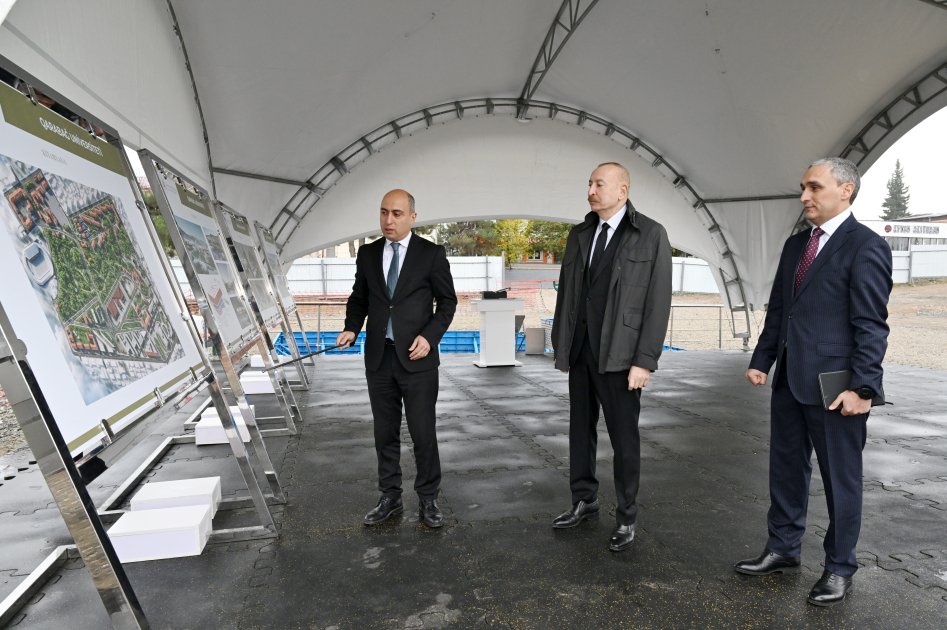
Today, the reconstruction of Karabakh and East Zangezur represents one of the most ambitious development processes in Azerbaijan. The construction of roads, railways, airports, energy facilities, residential areas, educational institutions and healthcare infrastructure is creating the foundations for the comprehensive revival of these regions.
One of the most important human dimensions of this process is the return of former internally displaced persons to their ancestral homes. For thousands of families, this return represents the restoration of their connection with their native land, the revival of family traditions and the opportunity to begin a new chapter of their lives. The true revival of a territory is measured not only by the infrastructure constructed there, but also by the return of people, the development of communities and the restoration of everyday life.
The preservation of historical and cultural heritage is another essential component of this transformation. Architectural monuments, historical sites and cultural institutions are valuable elements of national identity. Their protection and restoration are important not only for Azerbaijan but also for preserving the cultural diversity and historical heritage of the wider region.
From the perspective of science and engineering, the post-war reconstruction of Azerbaijan represents an important opportunity to apply advanced technologies, innovative materials and environmentally responsible solutions. Modern infrastructure must be designed not only to meet immediate needs but also to ensure durability, safety, energy efficiency and long-term environmental sustainability.
As a researcher and academic in the field of technical sciences, I believe that scientific knowledge must become one of the fundamental foundations of this new development stage. Engineering research, advanced construction materials, corrosion protection technologies, energy-efficient systems and environmental safety solutions can make a substantial contribution to the durability and sustainability of infrastructure. The integration of scientific research with industrial practice is particularly important for a country whose strategic development includes marine, energy and transport infrastructure.
The future of the liberated territories should therefore be associated not only with reconstruction but also with technological modernization. The development of smart cities and smart villages, the implementation of digital management systems, the use of renewable energy sources and the introduction of environmentally sustainable technologies demonstrate the importance of innovation in building a modern society.
In my view, one of the most meaningful ways to honour a historic national achievement is to transform its legacy into progress. This requires investment in education, support for scientific research, the development of young specialists and the creation of opportunities for innovation. A country’s strength in the modern world is determined not only by its historical achievements but also by its scientific potential, technological capabilities and intellectual resources.
The international dimension of Victory Day is equally significant. Azerbaijan’s geographical position, transport infrastructure and energy potential create opportunities for strengthening regional connectivity and expanding cooperation between Europe and Asia. Lasting peace and stability in the South Caucasus would provide favourable conditions for economic development, international investment and mutually beneficial cooperation.
The post-war period has thus given November 8 an additional dimension. It is a day of remembrance for a historic achievement, but also a reminder of the responsibility to build a peaceful, secure and prosperous future. The value of victory is reflected not only in the events that brought it about but also in the achievements that follow.
For Azerbaijan, November 8 unites historical memory, national dignity and the aspiration for progress. It honours those who defended the homeland, recognizes the leadership behind the historic achievement and inspires future generations to contribute to the country’s development through knowledge, professionalism and dedication.
Victory is not only a moment of history; it is also a responsibility for the future. The greatest legacy of November 8 must be a strong, scientifically advanced, technologically modern and prosperous Azerbaijan.
This is the deeper meaning of Victory Day: preserving the memory of the past while building a future worthy of the historic achievements of the nation.

Member of the New Azerbaijan Party (YAP), PhD in Technical Sciences, Senior Lecturer at the Azerbaijan State Maritime Academy.