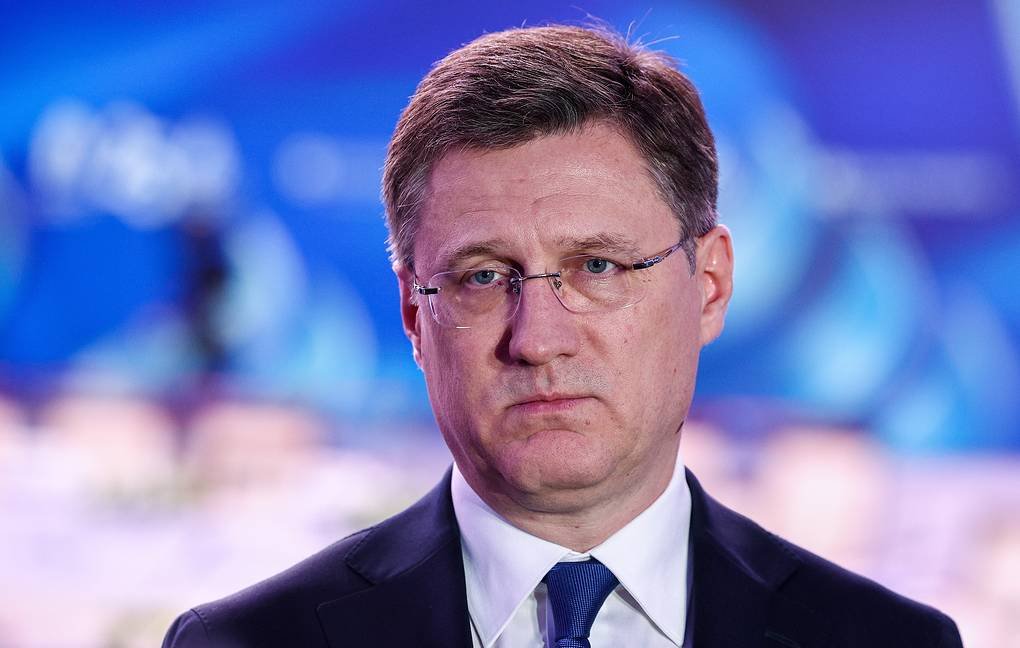
Istanbul, The Europe Today: Russia and Turkey have locked in their gas relationship for three more years. Gazprom and Turkey’s state energy company Botas have signed a contract extending natural gas supplies on the same volumes and terms. Russian Deputy Prime Minister Alexander Novak announced the deal in Istanbul on Thursday, on the sidelines of the Russian-Turkish business forum. He also confirmed new LNG supplies, a December start date for Turkey’s first nuclear power unit, and talks on reviving Black Sea grain shipments.
Gazprom-Botas Gas Deal: Three More Years, Same Terms
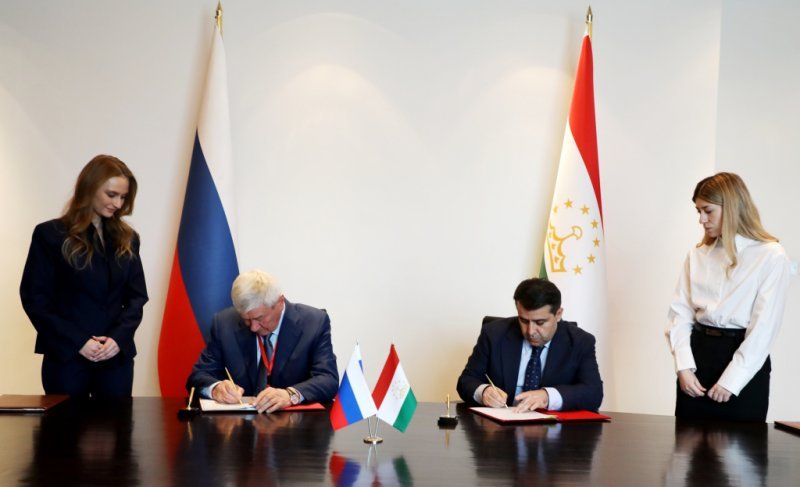
Novak confirmed the agreement is already signed. "Gazprom and Botas have already signed the contract. It provides for a three-year extension," he told reporters. Supply volumes and commercial terms stay the same as under the current arrangement.
The extension gives Turkey, one of the largest buyers of Russian gas, predictable supply at a time when European and global energy markets are still volatile. For Moscow, it secures one of its most important remaining gas export routes.
Novatek to Begin LNG Deliveries From January 2027
Russia is also adding liquefied natural gas to the mix. Novak said Novatek has signed a contract to supply LNG to Turkey starting January 1, 2027. "The volumes are small for now, but there is room for expansion," he said, suggesting the LNG channel could grow over time.
Russia Ready to Help Turkey Become a Regional Energy Hub
Novak said Moscow supports Ankara’s ambition to become a centre for energy trade. "Turkey already plays an important role in the transit of energy resources, and we are ready to assist in making it a regional nexus for energy trade," he said.
The gas extension, the new LNG deal and Turkey’s position between Europe, the Caspian and the Middle East all strengthen its case to become a regional pricing and transit hub.
Akkuyu Nuclear Plant’s First Unit Set for December
Novak said Power Unit 1 of the Russian-built Akkuyu Nuclear Power Plant is expected to start operating in December. He called it the flagship of bilateral energy cooperation, with work ongoing on all four units.
"Establishing nuclear energy in Turkey with Russia’s assistance is key today," Novak said. He added that the two sides have discussed involving more Turkish companies in the project.
If the December target is met, Akkuyu will become Turkey’s first operating nuclear power plant, a milestone for Ankara’s energy security plans.
Black Sea Grain Shipments Back on the Table
Novak also said Russia and Turkey have discussed reviving grain exports through the Black Sea. "Turkey is interested, and so are we. We have discussed logistics and security issues. All of this is on the agenda," he said. He gave no timeline, but the comments signal continued interest in restoring a sea corridor that matters for global food markets.
More Than 20 Million Tons of Fuel Shipped to Turkey
Turkey remains a major buyer of Russian refined fuel. Novak said Russia has supplied more than 20 million metric tons of petroleum products to Turkey since the start of the year, mostly diesel. He declined to forecast full-year volumes, saying, "We will see how the current situation develops."
Russia Expects 494 Million Tons of Oil Output This Year
On domestic production, Novak said Russia plans to produce about 494 million metric tons of oil in 2026, according to Energy Ministry data.
OPEC+ Meeting: "Don’t Blow Things Out of Proportion"
Ahead of a busy weekend for oil markets, Novak played down speculation that the OPEC+ alliance could break apart over disputes about members’ production capacity assessments. "Don’t blow things out of proportion," he told reporters. Asked about reports that Venezuela and Iraq plan to leave OPEC, he said, "I haven’t heard about that."
He said expectations are high for the meetings on Sunday, November 29. These include a general OPEC+ ministerial meeting, the Joint Ministerial Monitoring Committee (JMMC), the OPEC+ Group of Seven and a meeting of OPEC ministers.
What It Means
Taken together, Novak’s announcements show Russia and Turkey deepening energy ties on several fronts at once: pipeline gas, LNG, nuclear power, refined fuel and possibly grain. For Ankara, the deals support its goal of becoming the region’s energy crossroads. For Moscow, Turkey is becoming an even more important partner and gateway.