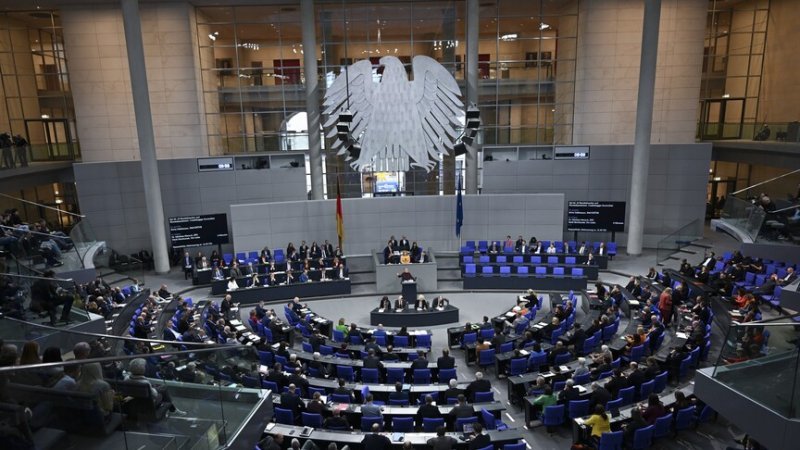
Berlin, The Europe Today: Germany has passed the largest federal budget in its history, and it shows clearly where Berlin’s priorities now lie. The Bundestag approved a record €555.9 billion German budget for 2027. It sharply increases defense spending, cuts foreign aid and contributions to the United Nations, and introduces new taxes on sugary drinks and alcohol. Electricity consumers also get major relief.
German Budget 2027 Clears Parliament in Roll-Call Vote
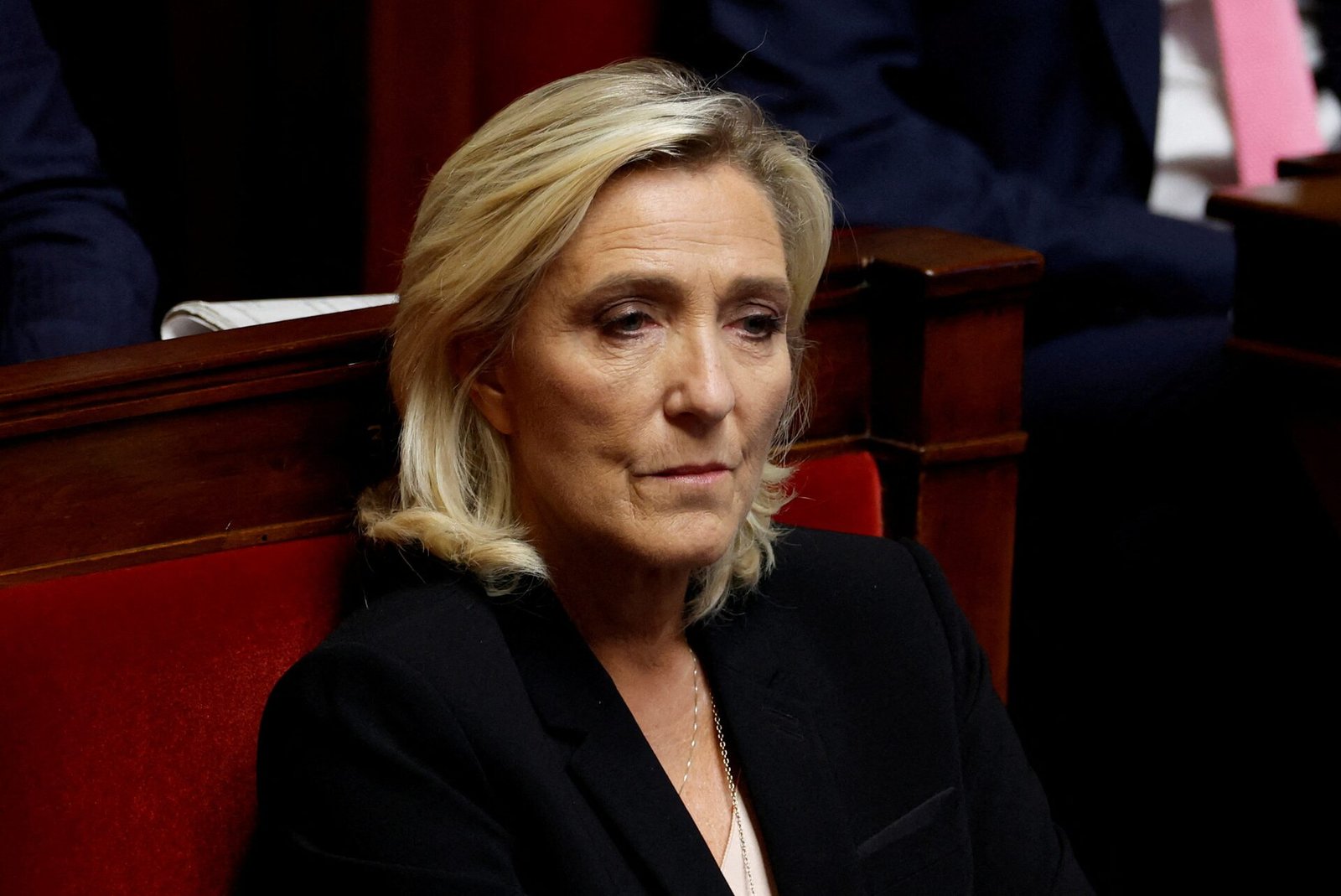
The final version of the budget law passed in a roll-call vote, with 317 lawmakers in favour and 260 against, and no abstentions. Chancellor Friedrich Merz’s conservative CDU/CSU alliance and its coalition partner, the centre-left Social Democratic Party (SPD), backed the package.
The opposition voted against it as a bloc: the anti-immigrant Alternative for Germany (AfD), the environmentalist Greens and the socialist Left Party.
Defense Spending Jumps by €31 Billion
Military spending is the main feature of the budget. Defense spending will reach €139.6 billion ($153.1 billion) in 2027. That combines a regular defense budget of €109.7 billion ($120.3 billion) with €29.9 billion ($32.8 billion) from the special fund for the armed forces.
That is an increase of about €31 billion over the 2026 total of €108.2 billion.
Military procurement alone is planned to exceed €60 billion as Berlin works towards NATO’s higher defense targets, with the Russia-Ukraine war still under way. The figures confirm Germany’s move to become one of Europe’s biggest military spenders.
Foreign Aid and UN Contributions Cut
While defense spending rises, Germany’s spending abroad is shrinking.
- Development and foreign aid will fall to €9.58 billion ($10.5 billion), down about 4.7% from €10.06 billion in 2026.
- Direct contributions to the UN will drop from €517.2 million ($567 million) to €309.5 million ($339 million), a cut of roughly 40%.
- Contributions to the UN and other international organisations through the Development Ministry will fall from €515.9 million ($566 million) to €442.7 million ($485 million).
The cuts are likely to be felt across international institutions that have long counted Germany among their most reliable funders.
New Sugar Tax From 2028
The budget package also introduces a tax on sugary drinks starting January 1, 2028. It is meant to help make up for federal payments to the health fund being reduced by less than planned.
The levy will range from 25 to 35 cents per litre, depending on how far sugar content exceeds five grams per 100 millilitres. Pure fruit and vegetable juices are exempt. The government expects the tax to raise about €1.1 billion ($1.21 billion) a year.
Alcohol Taxes Rise by About 20%
Alcohol taxes will also go up by roughly 20% on spirits and intermediate products such as port and sherry. The government estimates this will bring in an extra €470 million ($515 million) a year.
Electricity Tax Cut to the EU Minimum
There is relief for households and businesses. A separate law accompanying the budget lowers the electricity tax for all consumers to the European minimum of 0.1 cents per kilowatt-hour, down from the current 2.05 cents, starting January 1, 2027.
The cut will first apply for one year and is expected to reduce federal revenue by about €5 billion ($5.5 billion). It will be financed in 2027 through lower projected spending on renewable energy subsidies.
The governing coalition aims to extend the relief beyond 2027 if lasting funding can be found in the next federal budget.
What It Means for Germany and Europe
The 2027 budget marks a clear change in direction for Europe’s largest economy: more money for the military, less for international aid, and new "sin taxes" to support health finances. For Germany’s allies, the defense boost is a strong signal of commitment to NATO. For aid organisations and the UN, the cuts add to growing pressure on global funding.