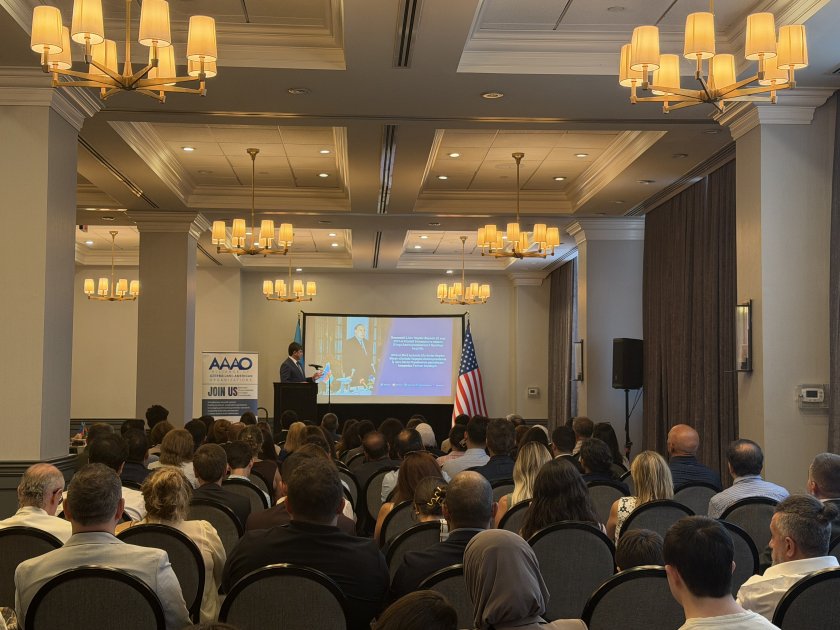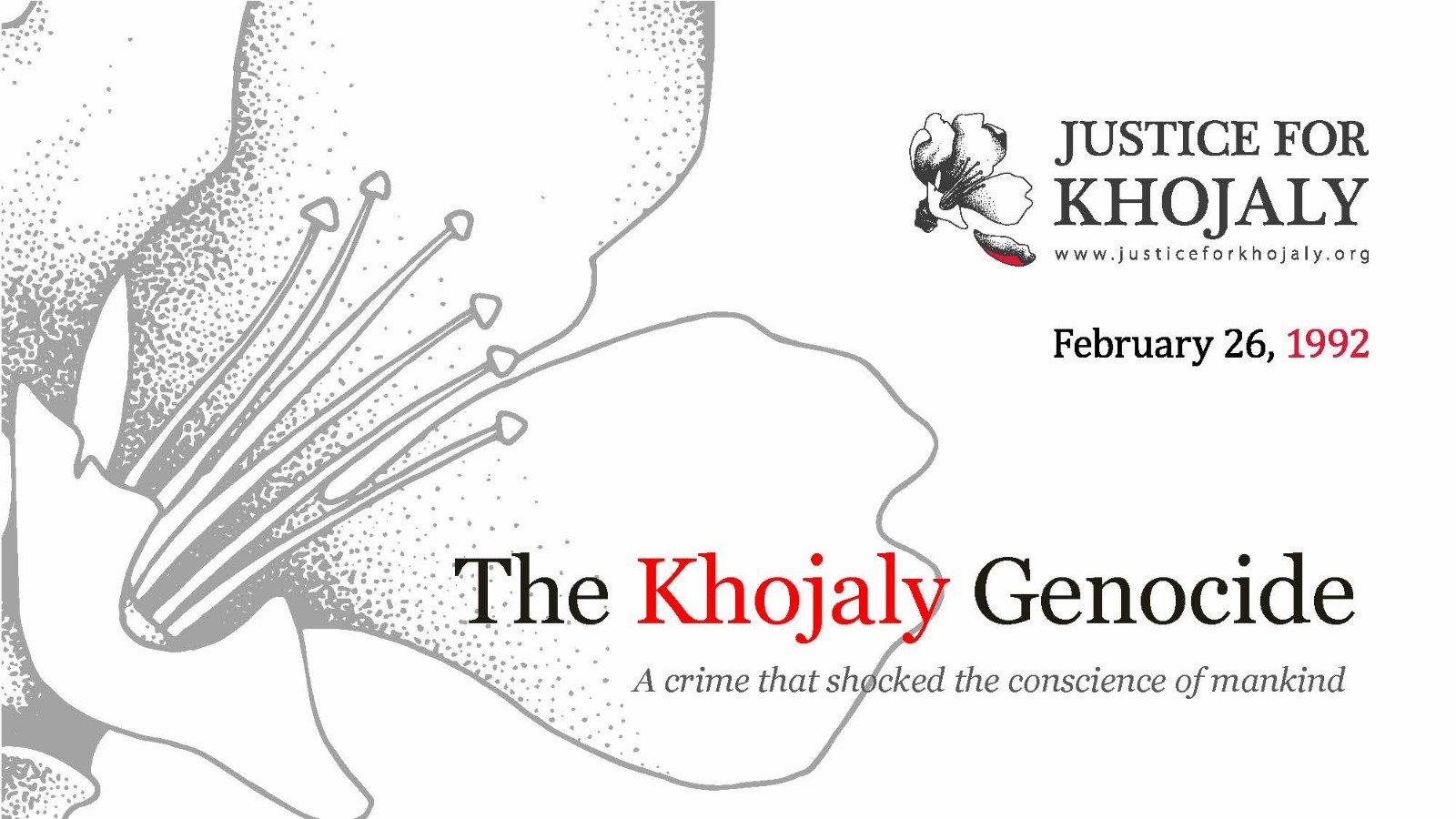
34 years ago, on the night of 25–26 February, Khojaly genocide, one of the most horrific crimes against humanity of the past century, was committed by Armenia against Azerbaijani civilians with particular brutality and cruelty. On the 34th anniversary of the Khojaly genocide, with profound sadness, we commemorate the victims of this horrible crime, which took the lives of 613 people, including 106 women, 70 elderly people, and 63 children in a single night.
The chronology of massacres committed in the course of Armenia’s aggression, particularly in the villages of Baghanis Ayrim, Imarat-Garvand, Tugh, Salakatin, Akhullu, Khojavand, Jamilly, Nabilar, Meshali, Hasanabad, Karkijahan, Gaybaly, Malibayli, Yukhari and Ashaghi Gushchular, Garadaghli, where the majority of the population were Azerbaijanis, reveals how the Khojaly genocide was an integral part of Armenia’s policy of ethnic hatred and intolerance against Azerbaijanis.
The Siege of Khojaly since 1991, transport communication and electricity cut-off, massive shelling, and unprecedented atrocities on the night of 25-26 February 1992, committed by the armed forces of Armenia against the civilian population with the assistance of the 366th Motorized Rifle Regiment of the former USSR attest to the fact that this massacre was, at its core, a planned and intentional genocide. During the Khojaly genocide, 8 families were completely wiped out, 130 children lost one of their parents, and 25 children lost both of their parents, 1275 people, including 68 women and 26 children, were taken hostage.
Characteristics of the Khojaly genocide, including the slaughter of civilians with particular cruelty, inhuman treatment, torture, and humiliation of the corpses were all contrary to international humanitarian law, human rights law, and international conventions in this field, including the Convention for the Prevention and Punishment of the Crime of Genocide, Convention against Torture and Other Cruel, Inhuman or Degrading Treatment or Punishment, Convention on the Elimination of All Forms of Racial Discrimination, and implies international legal responsibility.
Confessions from perpetrators of the Khojaly genocide, especially the statement of Monte Melkonian, whose identity was also revealed by witnesses, that “Khojaly was a strategic goal, as well as an act of revenge,” as well as acknowledgment of Serzh Sargsyan, former President of Armenia, who was one of the masterminds of the genocide that “Armenians was able to break the stereotype that they could not raise their hand against the Azerbaijani civilians” and “absolutely no regrets regarding this” prove that the Khojaly genocide was purposefully committed and that Armenia bears international legal responsibility.
As a result of the international community’s disregard for the facts and evidence of the Khojaly genocide, Armenia continued its war crimes against Azerbaijanis throughout the former occupation period and during the 44-day Patriotic War, particularly attacking civilian targets.
The restoration of Azerbaijan`s territorial integrity as a result of the Patriotic War and Azerbaijan`s sovereignty as a result of the counter-terrorism measures of 19-20 September 2023, the liberation of Khojaly, and the legal prosecution of war criminals are the embodiments of historical justice.
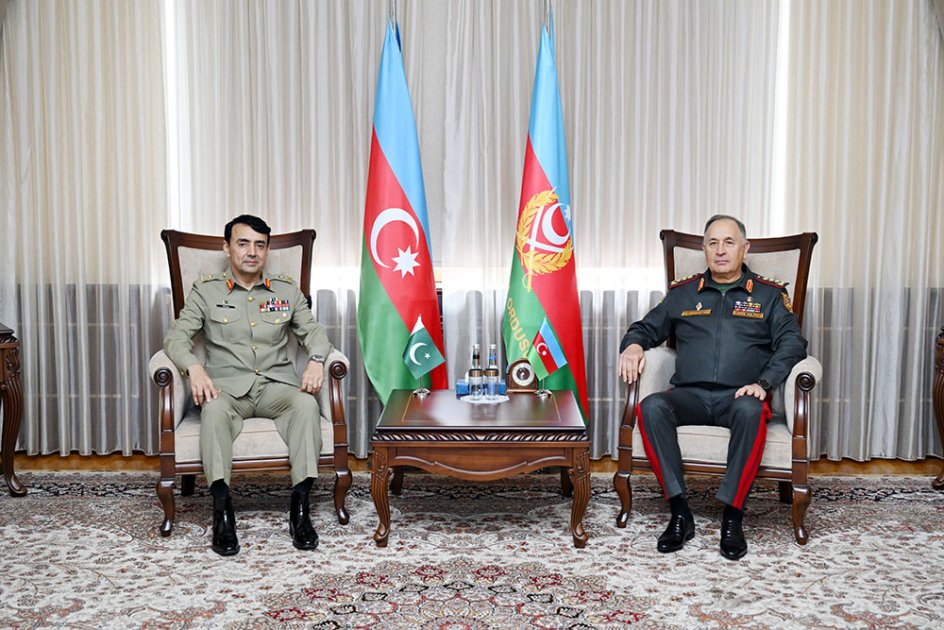
It should be emphasized that Pakistan has consistently demonstrated its support for the territorial integrity, sovereignty, and inviolability of Azerbaijan’s borders, in accordance with the demands of the aforementioned UN Security Council resolutions. The principled position displayed by Pakistan during the Patriotic War of Azerbaijan and the continuous political and moral support provided to Azerbaijan’s just position were a true manifestation of the brotherly relations between the fraternal countries.
Furthermore, Pakistan was one of the first countries to recognize the Kohajaly Genocide. In this context, it should be noted that over the past periods, the National Assembly and the Senate of Pakistan have adopted various resolutions condemning the Khojaly genocide.
Immediately after the historic Victory of the Republic of Azerbaijan, large-scale restoration and reconstruction work, including key infrastructure projects, were launched in the Karabakh and East Zangezur regions, and thousands of people have returned to their native lands. Like in other liberated territories, today life returns to Khojaly, which remains one of the incurable wounds of the Azerbaijani people, and the state and people of Azerbaijan do not forget the victims of the genocide and keep their memories alive.
Azerbaijan has always advocated a peace agenda and actively pursued measures to achieve lasting peace and stability in the region. Currently, significant progress has been made in this regard. On August 8, 2025, a Joint Declaration was signed between Azerbaijan and Armenia in the witness of the US in Washington. Thus, an important historic step was made towards ending the long-lasting conflict between the countries. Initialing of a peace agreement between Azerbaijan and Armenia creates favorable opportunities not only for the region but also for the wider geography. The full instauration of prosperity in the South Caucasus will open up opportunities not only for the region but also for the regions beyond.
On the 34th anniversary of the Khojaly genocide, we once again honor the memory of the innocent victims of the tragedy.
May Allah rest their souls in peace!