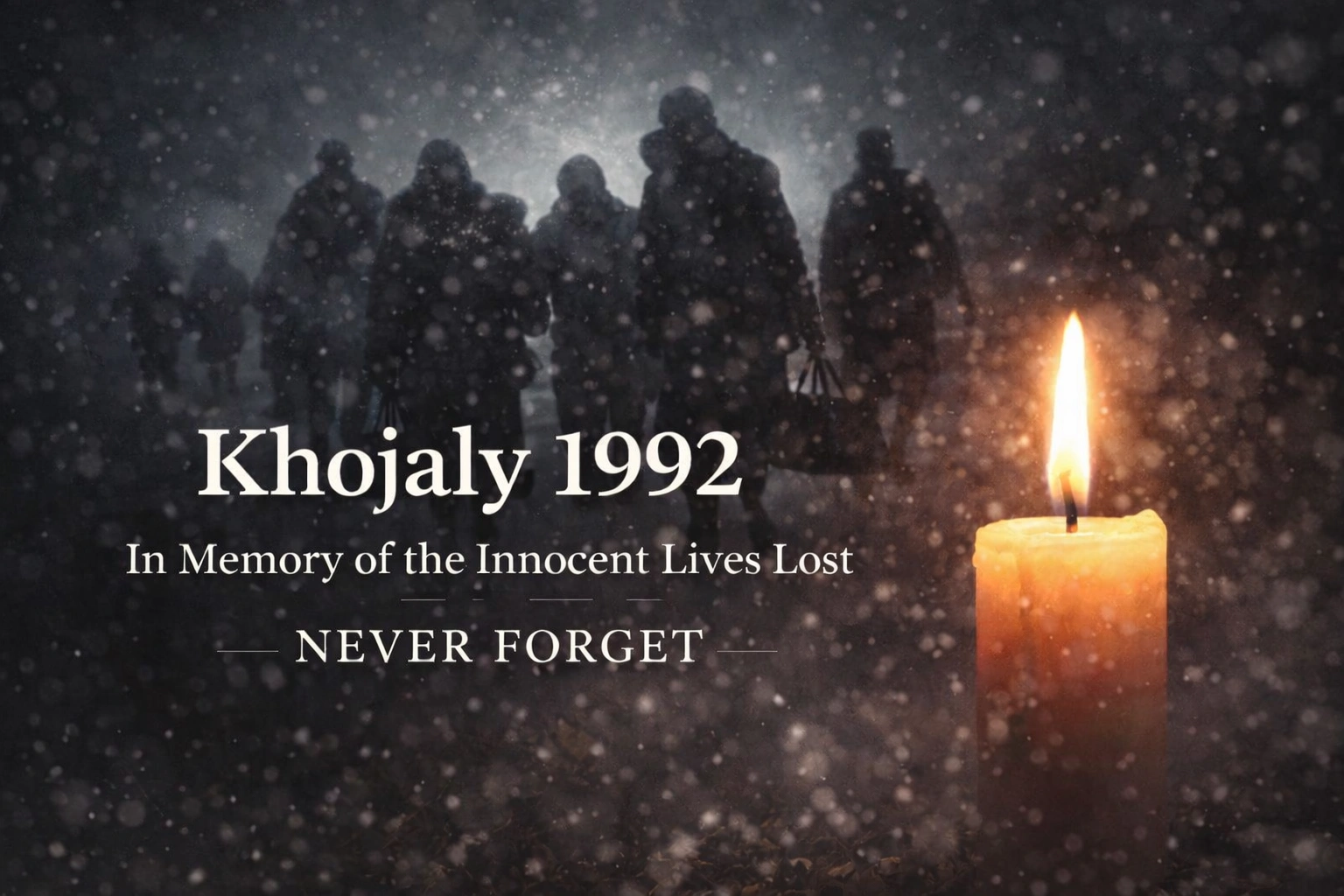
One of the most serious tragedies of the late twentieth century became observed in humanity on the evening of 25-26 February 1992. In the village of Khojaly, 613 innocent Azerbaijani civilians (106 of them being women, 63 being children, and 70 being elderly people) were brutally murdered 34 years ago, and today it can be considered one of the most horrible crimes against humanity.
On this day, grieving and with a heavy heart, we raise our heads in their memory the victims of the Khojaly genocide, who were killed in one night, families destroyed forever, and wounds that cannot be healed by time.
An Ethnic Violence
The tragedy of Khojaly did not occur in isolation. It was preceded by massacres in Azerbaijani populated villages like Baghanis Ayrim, Imarat-Garvand, Tugh, Salakatin, Akhullu, Khojavand, Jamilly, Nabilar, Meshali, Hasanabad, Karkijahan, Gaybaly, Malibayli and Yukhari and Ashaghi Gushchular.
In 1991, the siege of Khojaly had cut off power, transport and supplies. The town was subjected to incessant fire. Next was the night of terror in February 1992 when armed forces of Armenia with the help of the 366th Motorized Rifle Regiment of former USSR performed what survivors and evidence claim was a planned and deliberate genocide.
- Eight entire families were wiped from existence.
- 130 children lost one parent.
- 25 children lost both.
- 1,275 people were taken hostage, including 68 women and 26 children.
The scale of suffering defies comprehension.
Crimes Against Humanity and International Law
The slaughter of civilians, the inhuman treatment, torture, and even the humiliation of corpses were acts that violated the very foundations of international humanitarian and human rights law. These atrocities stand in direct contradiction to global conventions, including:
- The Convention for the Prevention and Punishment of the Crime of Genocide
- The Convention Against Torture
- The Convention on the Elimination of All Forms of Racial Discrimination
Such crimes imply international legal responsibility — a responsibility that history cannot ignore.
Statements by people like Monte Melkonian, who also supposedly called Khojaly a strategic target, and an attempt at revenge, and Serzh Sargsyan who admitted to having broken the stereotype about killing Azerbaijani civilians are other testimonies that the massacre was planned. These awards support the argument that the tragedy was not a chaotic mess of war, but a deliberate action.
Silence, Impunity, and Continued Suffering
The inadequate international community response to the evidence of the Khojaly genocide enabled a threat of precedent of impunity. The Azerbaijani civilians still continued to suffer war crimes in the years of occupation and once more in the 44 Day Patriotic War that saw civilian areas targeted.
The reestablishment of the territorial integrity of Azerbaijan after the Patriotic War, and the counter-terrorism efforts of 19-20 September 2023 was a breakthrough. The release of Khojaly and the quest of the responsibility in the sense of many Azerbaijanis is the historical justice.
Pakistan’s Solidarity
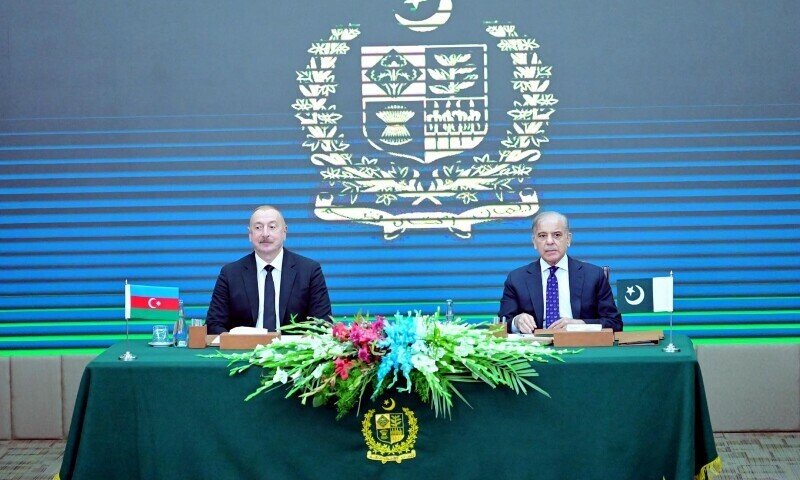
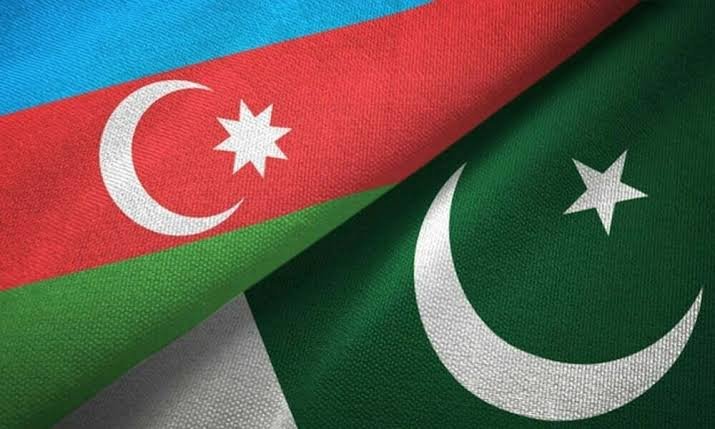
During these painful decades, Pakistan has always shown strong backing to the Azerbaijan sovereignty and territorial integrity. The patriotic position of Pakistan and the moral support was the real manifestation of the fraternity relations between the two countries during the Patriotic War.
Notably, Pakistan used to be one of the first states to acknowledge the Khojaly genocide. The National Assembly and the Senate of Pakistan passed resolutions denouncing the atrocity, a move that is felt so strongly by the Azerbaijani people and holds a symbolic value of unity based on common values of justice and honor.
Rebuilding from Ruins and Honor to Martyrs
After the historic Victory of Azerbaijan, the massive reconstruction and restoration processes were initiated in Karabakh and East Zangezur. War-torn lands are being revived in the form of infrastructure projects, housing developments, and returning families that have been displaced.
Khojaly is slowly getting back to life. Nevertheless, buildings can be reconstructed but memories cannot be forgotten. Khojaly is one of the most fundamental traumas of Azerbaijani national consciousness the trauma of grief, honor, and strength.
Toward Peace and Stability
Nevertheless, regardless of the suffering of the past, Azerbaijan has always promoted peace. A Joint Declaration of Azerbaijan and Armenia took place in Washington on August 8, 2025, and it was a major move towards the end of decades of enmity.
The initiation of a peace agreement does not only create opportunities to the South Caucasus but to the greater cooperation and prosperity of the region. Nevertheless, justice and remembrance can only be able to coexist with reconciliation and as a result, true peace.
A Prayer for the Innocent
I pay tribute again to the innocent victims of Khojaly, mothers, fathers, children, grandparents, whose lives are claimed during a night of unbelievable inhumane cruelty, on this 34th anniversary of this atrocity.
Their memory is not merely a chapter in history; it is a moral responsibility for humanity.
May Allah grant them eternal peace.
May justice prevail.
And may such darkness never again descend upon any people, anywhere in the world.
Owner of “The Europe Today” and Patron-In-Chief/Owner of “The Gulf Observer”, Chairman “The Gulf Observer Research Forum”, Foreign Affairs Expert, Analyst, International Award Winning Author and Poet.