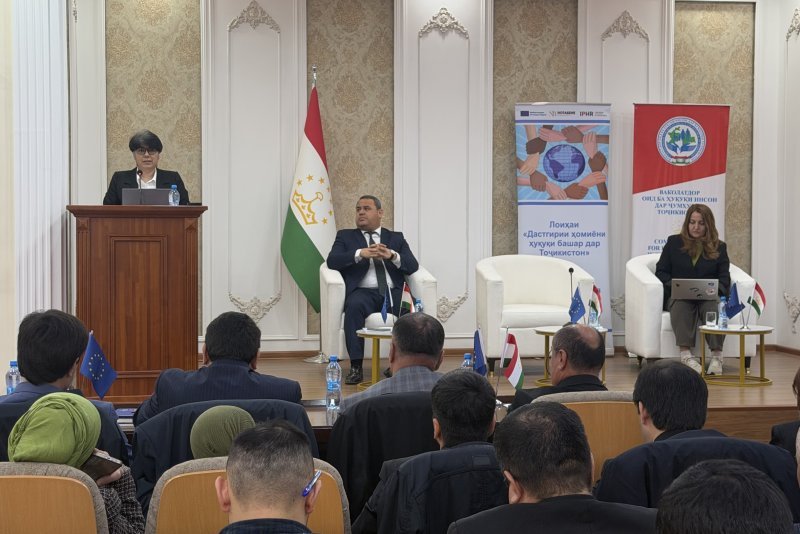
Dushanbe, The Europe Today: Tajikistan has started a new stage in protecting equal rights. Laws, regulations and the draft laws behind them can now be checked by the country’s human rights watchdog for discrimination before they shape people’s lives. At a conference in Dushanbe on Thursday, officials explained how the new procedure for Tajikistan anti-discrimination assessments will work. Under it, the Commissioner for Human Rights reviews each act and issues a formal opinion within one month.
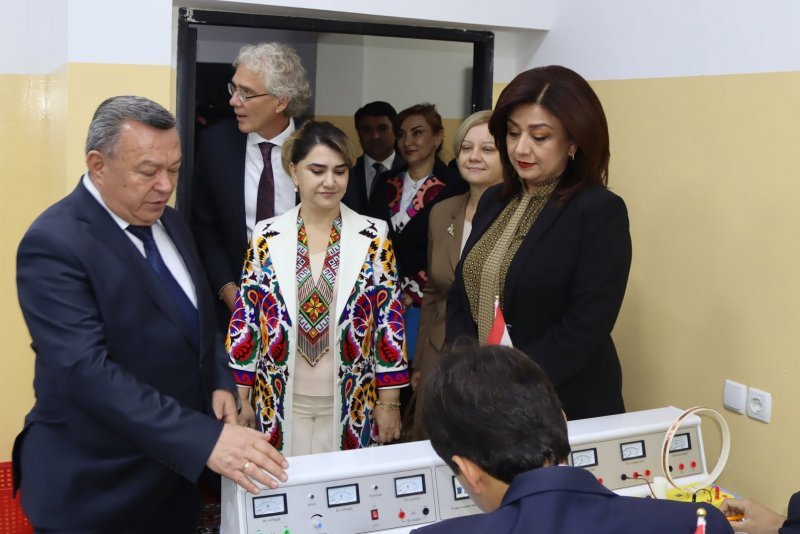
The Commissioner for Human Rights in the Republic of Tajikistan organised the conference, titled “Review of the Procedure for Conducting Anti-Discrimination Assessments of Regulatory Legal Acts and Draft Regulatory Legal Acts.” It was held with the Regional Office of the United Nations High Commissioner for Human Rights and the public foundation “Nota Bene.” It brought together officials, legal experts and civil society representatives to look at a mechanism that could change how laws are written in the country.
Equality Before the Law at the Heart of State Policy
Nigora Muqimī, Deputy Commissioner for Human Rights and Commissioner for Children’s Rights, opened the discussion. She said Tajikistan’s human rights policy rests on one principle: everyone is equal before the law and the courts.
She said the state guarantees the rights and freedoms of every person, whatever their nationality, race, gender, language, religious beliefs, political views, social status, education or property.
Muqimī stressed that equality is central to the country’s human rights agenda. That includes the long-term “National Strategy for the Protection of Human Rights in the Republic of Tajikistan until 2038,” which sets the course for rights protection over the next twelve years.
The Law That Defined Discrimination
Muqimī traced the new procedure back to the Law of the Republic of Tajikistan “On Equality and the Elimination of All Forms of Discrimination.” She called the law a turning point in the country’s legal framework.
“With the adoption of the Law of the Republic of Tajikistan ‘On Equality and the Elimination of All Forms of Discrimination,’ the concept of discrimination, including its direct and indirect forms, was defined, and a legal framework for preventing discrimination and ensuring effective protection against it was established,” she said.
She explained how responsibilities are divided under the law. The Government of the Republic of Tajikistan approves the assessment procedure. The Commissioner for Human Rights carries out the assessments, as the authorised state body for ensuring equality and banning all forms of discrimination.
Government Approved the Procedure on November 10
Participants heard that the Government approved the Procedure for Conducting Anti-Discrimination Assessments of Regulatory Legal Acts and Draft Regulatory Legal Acts by a resolution dated November 10, 2026. The approval was made under Article 12 of the equality law.
Under the approved procedure, the Commissioner for Human Rights now has the formal power to:
- Conduct anti-discrimination assessments of existing regulatory legal acts
- Review draft regulatory legal acts before they are adopted
- Issue opinions on whether these acts comply with the legislation on equality and the elimination of all forms of discrimination
One Month to Decide and a Role for Civil Society
The procedure sets a firm deadline: each anti-discrimination assessment must be completed within one month. The time limit is meant to keep the reviews thorough without slowing down lawmaking.
Public associations also have a role. They are entitled to carry out their own public anti-discrimination assessments of draft regulatory legal acts. This gives civil society organisations a formal way to flag provisions that could disadvantage particular groups before those provisions become law.
Why the Tajikistan Anti-Discrimination Procedure Matters
The procedure moves equality protection from reacting after harm is done to preventing it. Discriminatory provisions can be found and fixed at the drafting stage, so citizens no longer have to challenge them after the damage is done. That is especially important for indirect discrimination, where a rule that looks neutral can still affect some groups more than others.
Because the conference was organised with the UN human rights office’s regional team, the reform also shows Tajikistan working with international partners to put its national equality law into practice.
Detailed Discussion and Outcomes
Speakers made presentations during the conference. Participants then discussed them, asked questions and received detailed answers on how the procedure will work in practice. The event closed with a review and summary of its outcomes.