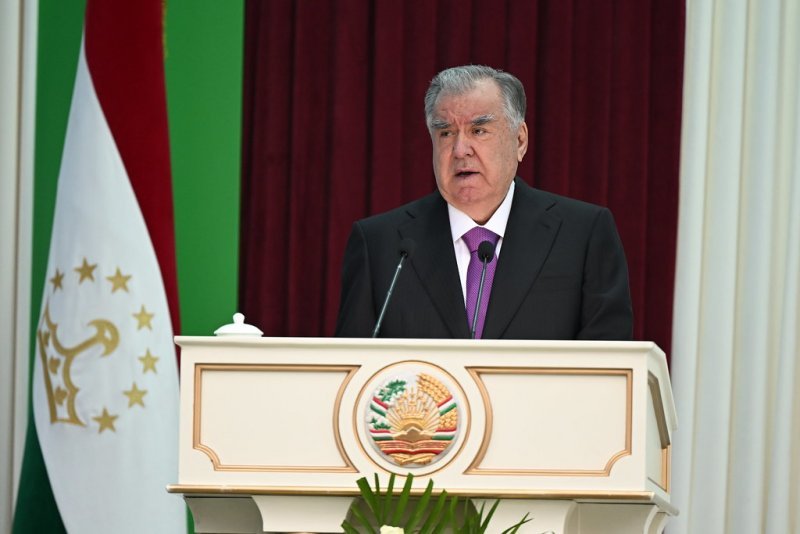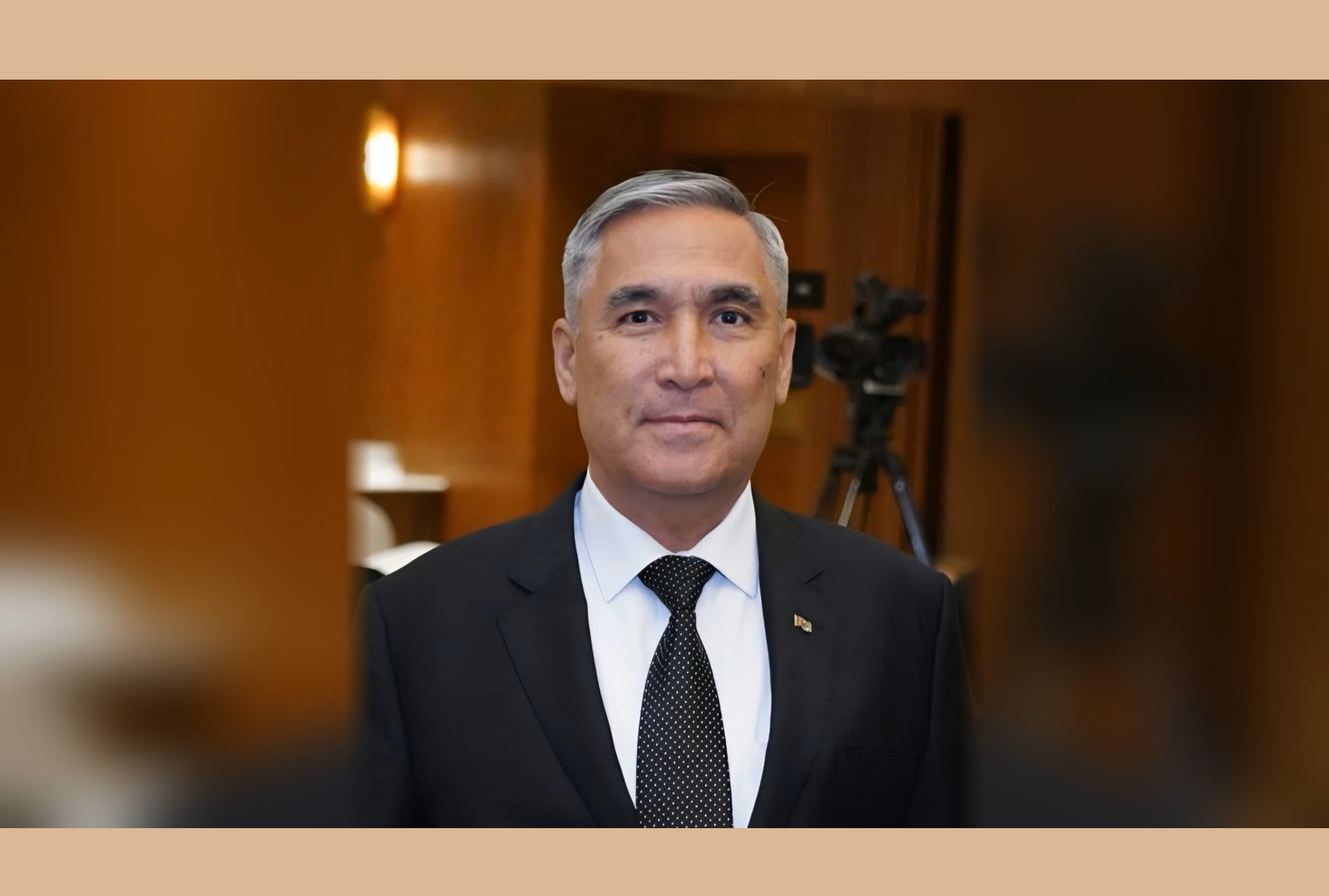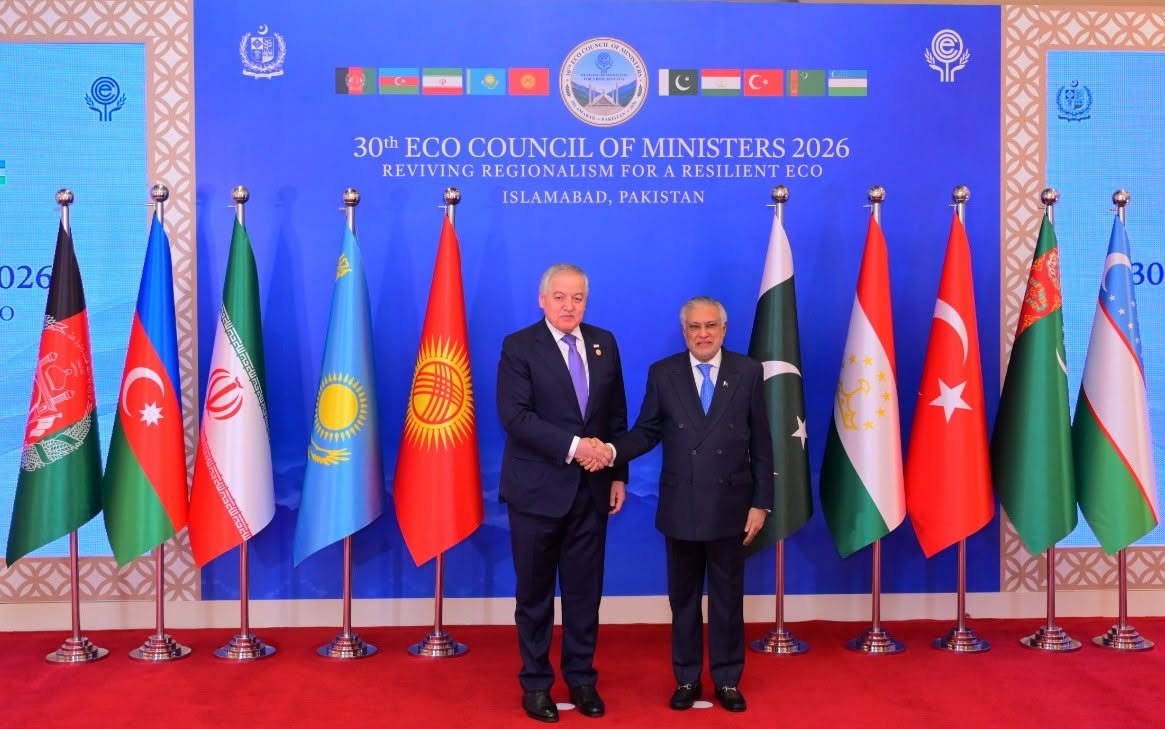
Islamabad, The Europe Today: Tajikistan used the 30th Meeting of the Council of Ministers of Foreign Affairs of the Economic Cooperation Organization (ECO) in Islamabad to argue for deeper regional economic integration and stronger global action to protect glaciers and water resources. Minister of Foreign Affairs of the Republic of Tajikistan Sirojiddin Muhriddin represented his country at the meeting on 16 November 2026.
30th ECO Council of Ministers Meeting Reviews Key Agenda
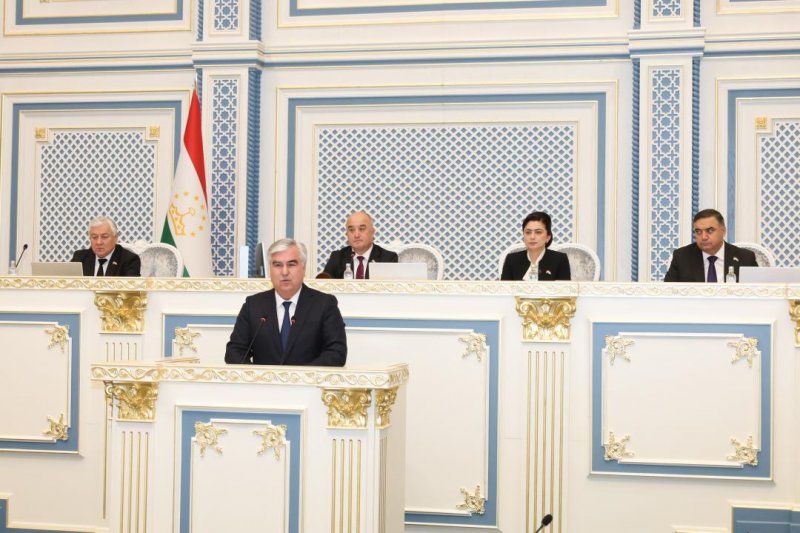
During the meeting, ECO foreign ministers exchanged views on current issues on the organization’s agenda as member states worked to shape the bloc’s future direction.
Muhriddin Calls for Stronger Cooperation in Trade, Transport and Energy
In his statement, Muhriddin set out Tajikistan’s position on key international and regional issues. He stressed the need to further strengthen cooperation among ECO member states in the economy and trade, investment, transport and transit, and energy. These sectors are vital for a landlocked Central Asian country seeking wider access to regional markets.
Glaciers and Water Resources in the Spotlight
The Tajik Foreign Minister placed particular emphasis on environmental protection and international cooperation to preserve glaciers and water resources. He highlighted Tajikistan’s initiatives in this area. The country has become one of the leading global voices on water and climate issues, and glacier preservation is now a growing priority across the ECO region.
Islamabad Declaration Adopted
At the end of the meeting, the ministers adopted the Islamabad Declaration along with other documents of mutual interest to ECO member states. The adoption marks a key outcome of Pakistan’s hosting of the gathering.
Tajikistan’s Growing Voice in ECO
Muhriddin’s participation, together with his separate meeting with ECO Secretary-General Asad M. Khan on the sidelines, shows that Dushanbe intends to play an active role in the organization. Tajikistan is linking regional connectivity with the urgent challenge of protecting the region’s water lifelines.