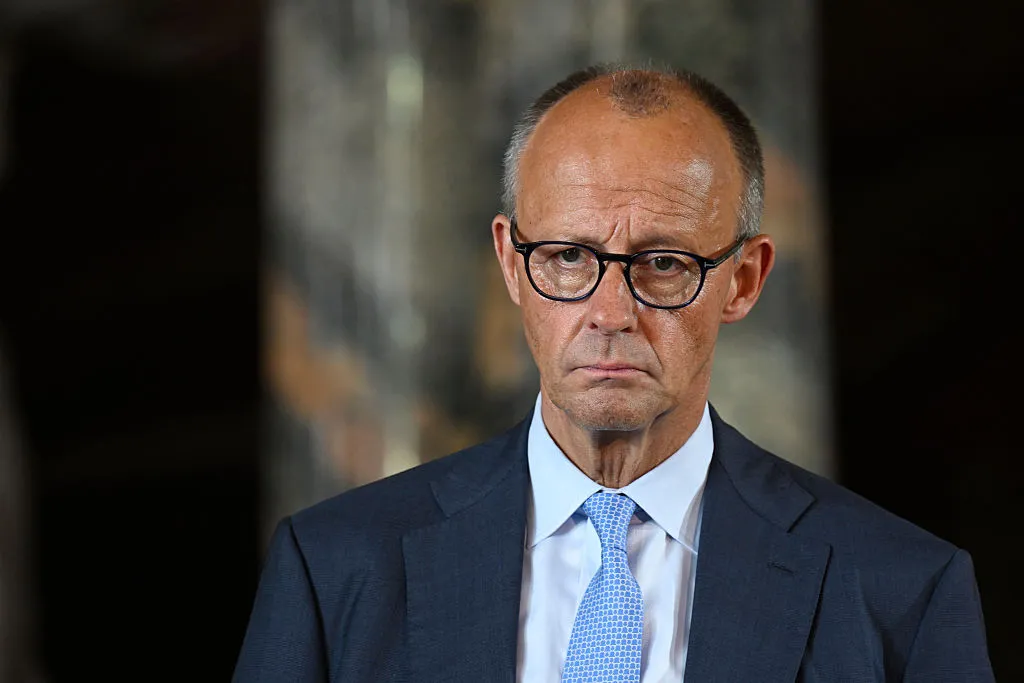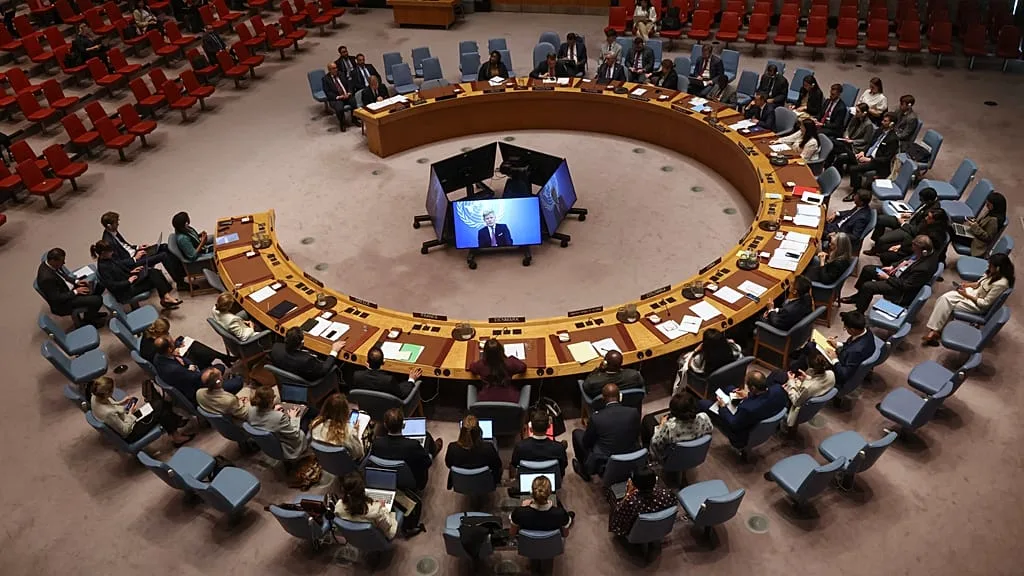
New York, June 4, 2026 – The Europe Today: Chancellor Friedrich Merz faced a significant diplomatic setback after the United Nations General Assembly selected Portugal and Austria for non-permanent seats on the UN Security Council, bypassing Germany in a closely watched vote.
The outcome marks a rare defeat for Germany, which has traditionally secured one of the Western Europe and Others Group (WEOG) seats approximately every eight years. The result is expected to intensify domestic political scrutiny of Chancellor Merz, who had pledged to restore Germany’s leadership role in Europe and global affairs.
German Foreign Minister Johann Wadephul described the outcome as a “bitter defeat,” suggesting that Germany’s foreign policy positions, including its strong support for Israel, may have influenced voting dynamics at the UN. He reiterated, however, that Berlin would continue to uphold its “historical responsibility” toward Israel.
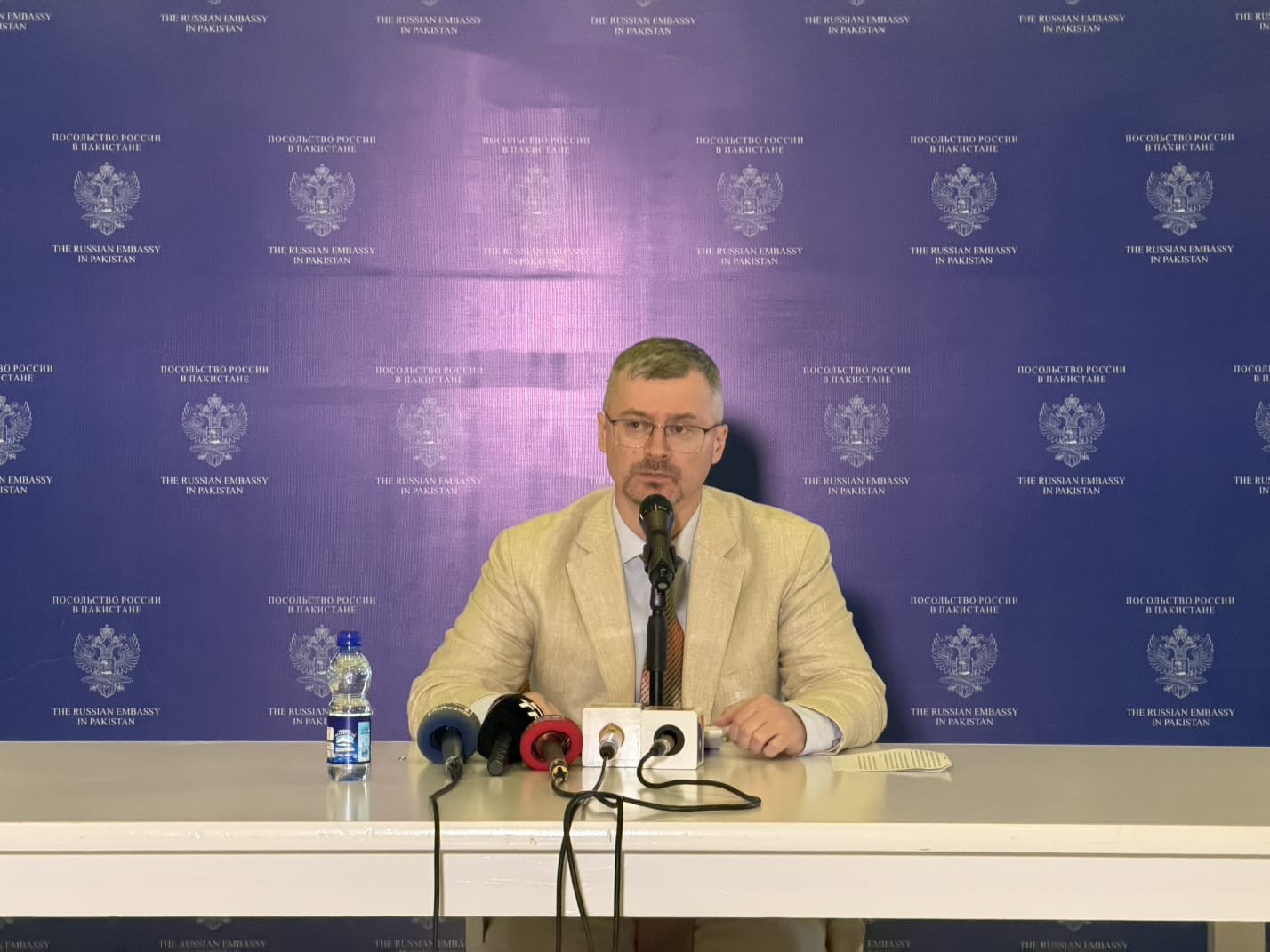
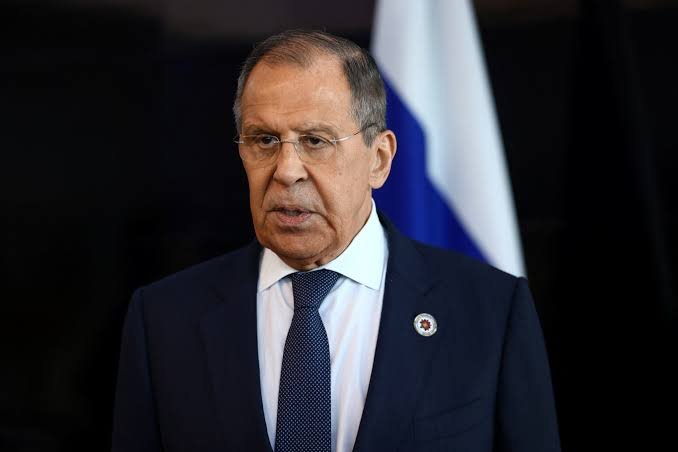
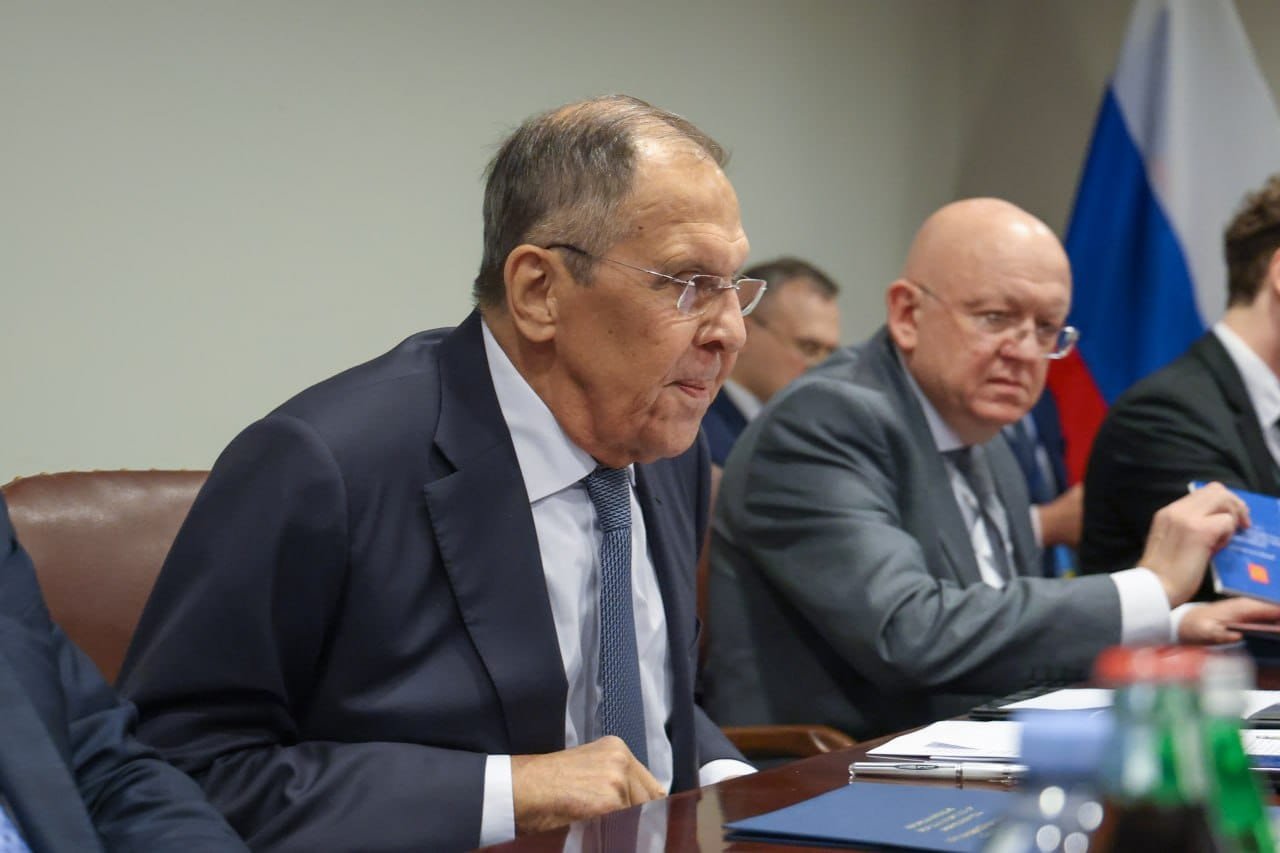
Wadephul also alleged that Russia had worked diplomatically against Germany’s candidacy, citing Moscow’s opposition to Berlin’s “unwavering support” for Ukraine. He claimed Russia had influenced sentiment among UN members to block Germany’s entry into the Council.
Ahead of the vote, Germany conducted an extensive lobbying campaign, with the foreign minister engaging with around 80 ministers and ambassadors worldwide. Despite these efforts, UN member states ultimately backed Portugal and Austria, which both secured stronger support during the election process.
Portugal’s election further strengthens its growing diplomatic profile at the United Nations, leveraging its historical ties with Africa, Asia, and South America, as well as its reputation for acting as a neutral intermediary in global affairs. Notably, former Portuguese leaders António Guterres and António Costa currently hold senior positions at the UN and European Council respectively.
Austria’s successful bid was similarly anchored in its longstanding policy of neutrality. The country highlighted its non-membership in NATO and its commitment to multilateralism in appealing to member states across Africa, Asia, and Latin America.
In a statement posted on social media platform X, Austrian Chancellor Christian Stocker emphasized that global challenges could not be addressed through “dominance,” stressing that international cooperation must be guided by the rule of law and equality among states, regardless of size or power.
The outcome drew sharp criticism from Germany’s domestic political opposition. Alice Weidel, co-leader of the far-right Alternative for Germany (AfD), called the result an “embarrassment” and accused the government of failing to restore Germany’s international standing.
Even members of the governing coalition expressed concern. Adis Ahmetovic, foreign policy spokesperson for the Social Democratic Party (SPD), described the vote as a reflection of Germany’s global perception, calling it “not a mere mishap, but a warning sign.”
The result is seen as a notable shift in UN diplomatic dynamics and a setback for Berlin’s efforts to maintain its traditional influence within the Security Council framework.