Edinburgh, November 7, 2026 – The Europe Today: The Scottish Parliament has overwhelmingly rejected a Reform UK motion calling for a burqa ban in public places. Members from across the chamber condemned the proposal as racist, hateful and Islamophobic.
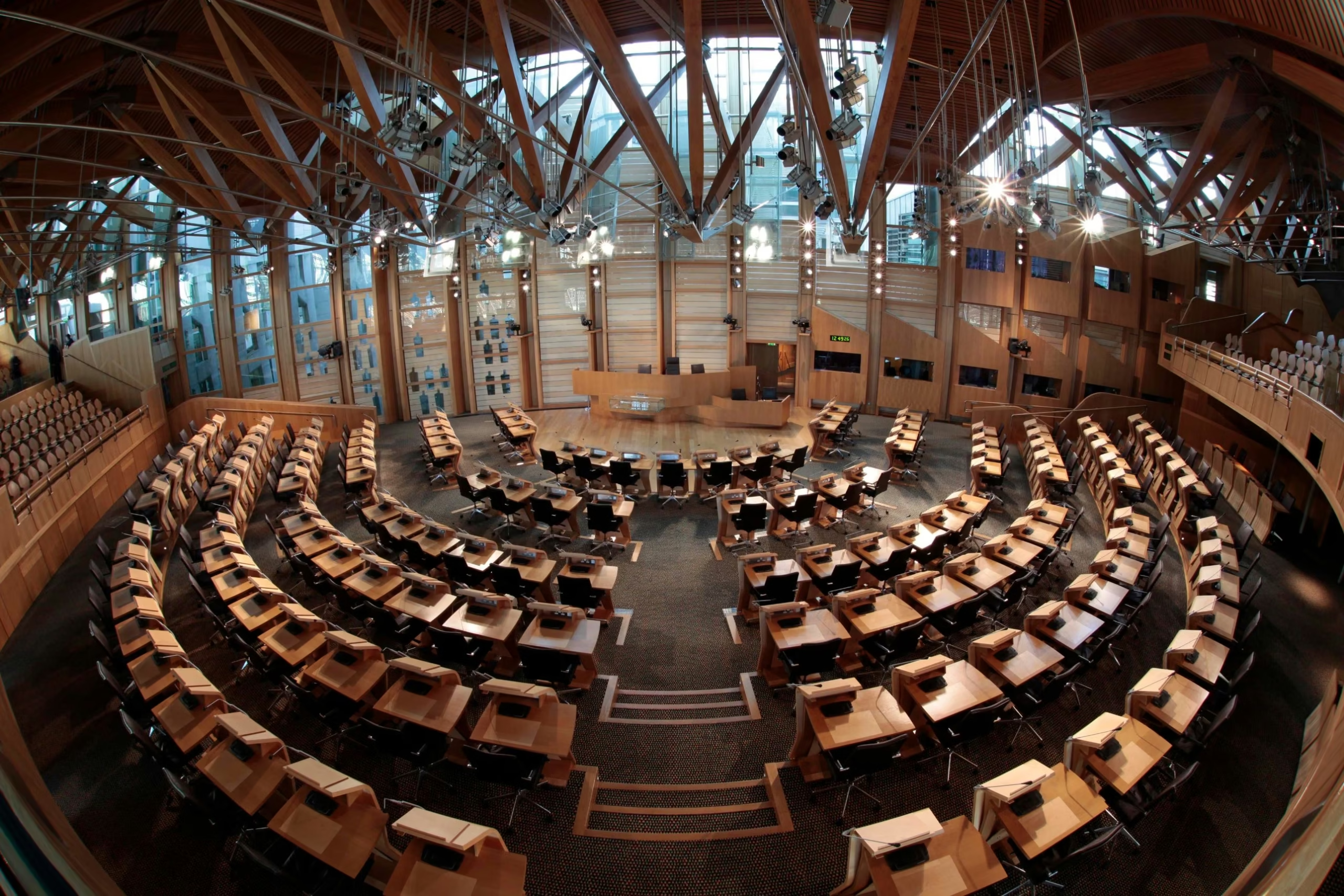
At Holyrood on Wednesday, November 4, Members of the Scottish Parliament (MSPs) instead backed a Scottish Government amendment by 92 votes to 15, with eight abstentions. The amendment stated that it is not the role of Parliament to legislate on what women choose to wear. It also called on parliamentarians to lead by example in rejecting language and actions that seek to divide Scotland’s communities, both in person and online.
Reform UK Makes Its Case for a Burqa Ban
The motion was brought forward by Reform UK MSP Helen McDade, who represents Mid Scotland and Fife. It urged the Scottish Government to consider restricting full-face coverings in public places, including the burqa and niqab worn by some Muslim women. Reform argued that such restrictions would strengthen public safety, individual liberty and community cohesion.
Ms McDade told the chamber that face coverings were already banned in several European countries, including France, Belgium, Denmark, Germany and Italy. Her party colleague Thomas Kerr said Reform wanted all face coverings, whether balaclavas or burqas, to be banned.
The vote followed an earlier members’ business debate on the same issue in October. That debate did not include a vote and was cut short after Parliament chose not to extend it.
Ministers Condemn Burqa Ban Push as Racist and Islamophobic
First Minister John Swinney accused Reform of bringing racism into the Parliament. Community Safety Minister Kirsten Oswald described the motion and debate as “deliberately divisive, racist, Islamophobic and designed to foster hostility,” calling it an attack on Muslim women.
She criticised the party for singling out the dress of Muslim women, noting that balaclavas were not mentioned in the motion. She also accused Reform UK Scotland of using the protection of women and girls as a cover for racism.
Opposition parties also rejected the proposal. Scottish Labour’s Pauline McNeill said her party did not support a burqa ban and accused Reform MSPs of stirring up hostility. She did, however, back police powers against those who use face coverings to intimidate others. Liberal Democrat MSP Yi-pei Chou Turvey accused Reform of raising the issue in Parliament to gain publicity.
Scottish Green MSP Maggie Chapman described the motion as narrow-minded and racist, arguing that it targeted women of a particular faith and background. She said there was no evidence linking religious face coverings to crime. She also cited evidence from France that women wearing religious dress had faced increased harassment and abuse since the ban there.
Conservative MSP Stephen Kerr tabled separate amendments on the link between face coverings and crime, which did not refer to the burqa or niqab. He argued that police lacked sufficient powers to deal with people who cover their faces while committing crimes.
A Recurring Issue Across the UK
The issue has repeatedly been raised by Reform UK. Last year, Reform MP Sarah Pochin called for a national burqa ban during Prime Minister’s Questions in the House of Commons. Last month, a Reform member also brought a similar debate to the Welsh Parliament, the Senedd.
The decisive vote at Holyrood reflects broad cross-party opposition in the Scottish Parliament to restricting religious dress.