Every year on 9 November known as Azerbaijani Flag Day, people take this day with great seriousness and joy in order to pay respect to this one of the most beloved symbols of Azerbaijan. The blue, red and green tricolour is more than a symbol of the contemporary state. It represents a true documentation of Azerbaijanis’ aspirations for freedom, their endurance over years of suffering and their achievement of re-acquisition of independence and its protection.
The flag continues to carry the memory of the generations when it is hoisting in the towns and villages of Karabakh, Ganja, Nakhchivan, Baku and Baku. Azerbaijani Flag Day is an invitation for the people of Azerbaijan and their friends worldwide to stand down and appreciate a story spanning over a century and the resilience of a people who never wavered from who they were.
A New Paradigm
Azerbaijani Flag Day dates back to 1918. The Azerbaijan Democratic Republic was established in the wake of the collapse of the Russian Empire and its government officially declared the tricolor as the national flag on 9 November of that year.
This was a moment to be incredibly visionary. The idea of an independent Azeri state was still taking shape and its founders decided to declare their aspirations and goals with a symbol which would outlast them. Their action gave the Nation a flag to rally around for generations to come.
The republic itself was a very progressive one. It established parliamentary institutions, instituted meaningful political reforms and in 1918 granted women suffrage. In that way, Azerbaijan was one of the first nations in the Muslim world to grant suffrage to women, a feat which still holds true in the Azerbaijani Flag Day story.
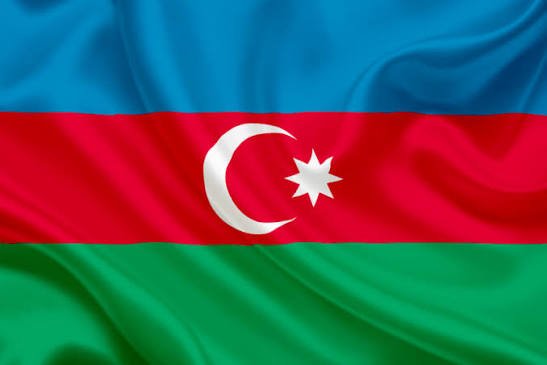
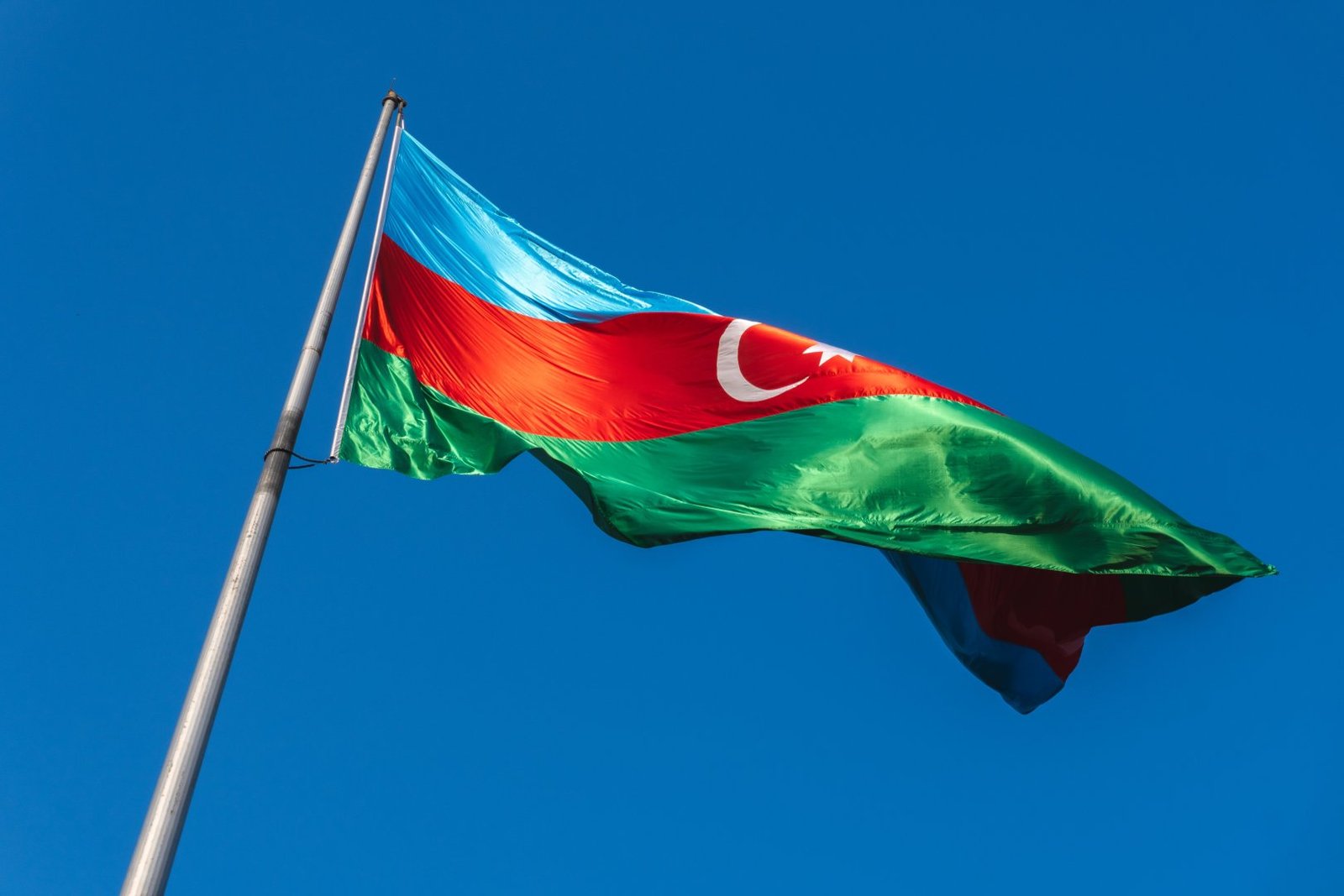
The beauty of the Azerbaijani flag is that there is so much meaning in it in a very simple design. It has a blue stripe in its honoration to the Turkic heritage of the Azerbaijani people. Its red stripe is a symbol of modernisation and development of democratic institutions. Its green stripe is an indication of Iran’s connection with Islamic civilisation.
These themes are combined in an elegant whole at the centre of the flag, the white crescent and eight-pointed star. The design reflects a country with a proud history and a forward-thinking mindset. It demonstrates, as clearly as is possible in its limited scope, how heritage, faith and progress can go hand in hand.
Perhaps this is the most beautiful message of Azerbaijani Flag Day – this harmony. There are no differences in the nation between the strands of identity. They are interwoven, stronger together.
Silence, Survival and Hope
All great stories have tribulations. In April 1920, the Azerbaijan Democratic Republic was overthrown by the Soviet military intervention, the tricolor was lowered. It was not officially present in the country’s life for almost 70 years.
However the flag was not forgotten. It survived the Soviet era in the memories of those who had known the republic and who had felt that its history didn’t end. It was just a silent pledge that the day would come when independence will be restored.
It reminds the nation that symbols can come down off the house tops, but symbols of hope can’t come down from people’s memories.
The Successful Return
In the last few years of the Soviet Union, the tricolor returned in a long awaited way. The flag was reinstated as the official symbol of the Nakhchivan Autonomous Republic by the Supreme Assembly of the Nakhchivan Autonomous Republic which headed by Heydar Aliyev on 17 November 1990. The decision was brave and bold, and it clearly indicated the direction of Azerbaijan’s future.
The tricolor was adopted as the national flag of Azerbaijan on an official level on 5 February 1991. The flag was later that year displayed over an independent Azerbaijan, but in 1991.The flag was displayed once again in 1991 over a sovereign Azerbaijan, this time in the year of their independence.
In 2009, an order signed by President Ilham Aliyev on 17 November gave a permanent form to this path and 9 November is now a state flag day. Azerbaijani Flag Day occurs on the day of the original adoption of the flag to connect the independent Republic of Azerbaijan in the present day with the original vision of 1918.
A Banner of Unity and Restored Sovereignty
The flag’s significance has increased over the last few decades. The tricolor became a symbol of territorial integrity, national unity and determination to regain sovereignty over internationally recognized territories when Armenia was in a conflict with Azerbaijan over Karabakh.
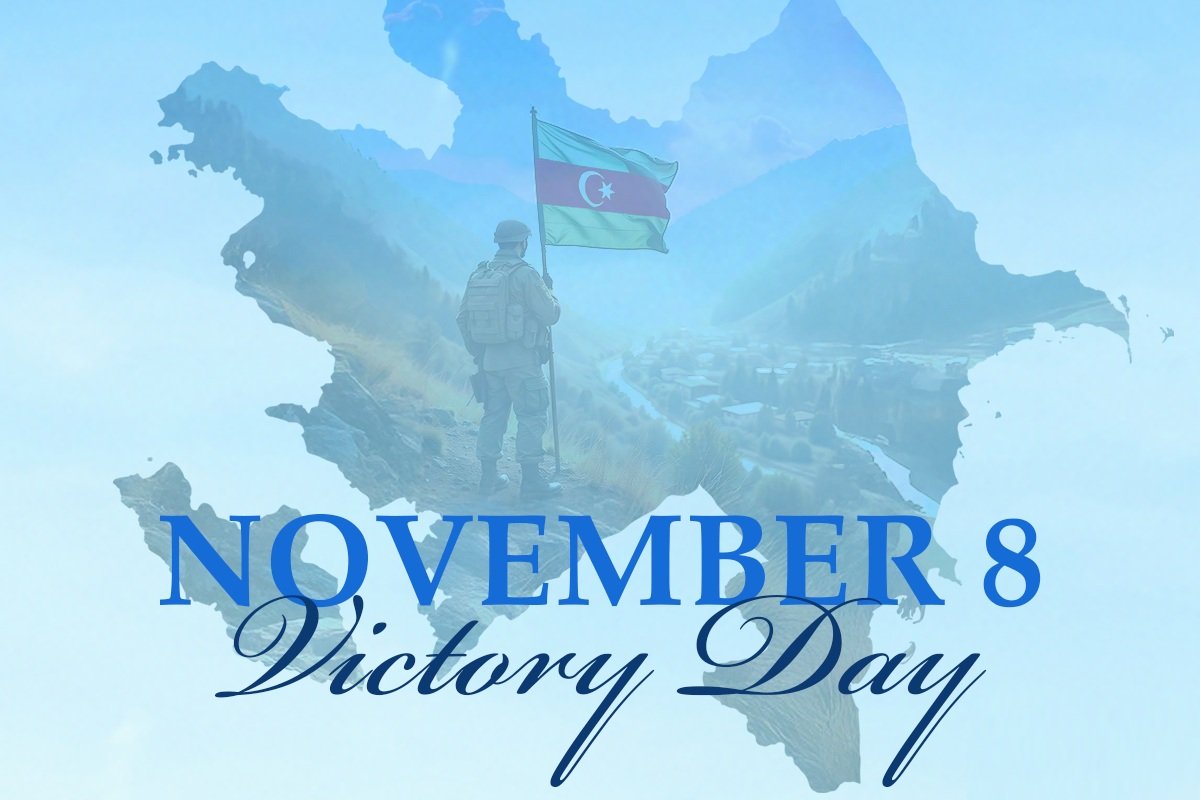
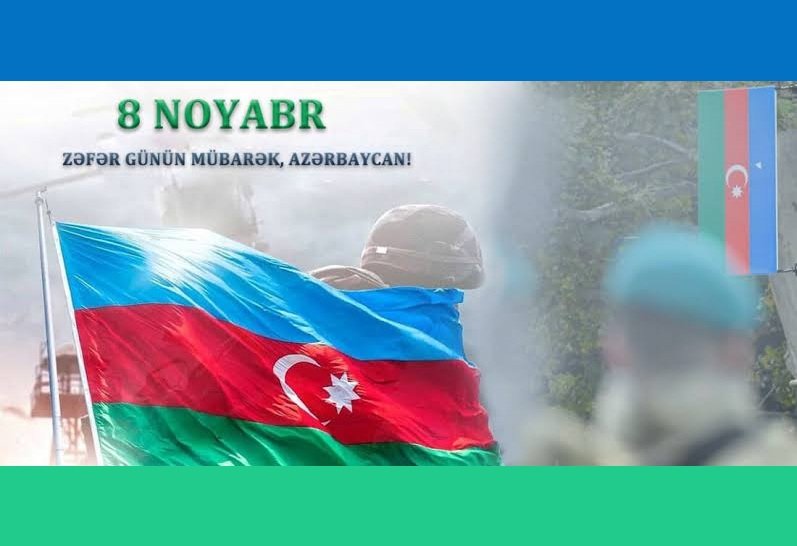
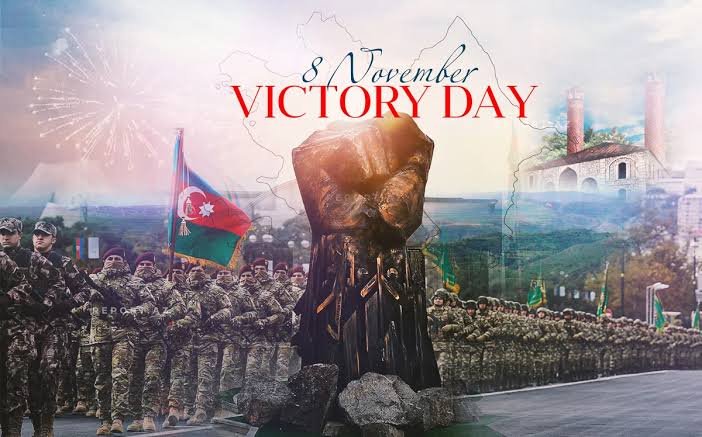
Following the 44-day Patriotic War in 2020, the Azerbaijani flag was raised over the territories that were recovered, and images of the flag were some of the most moving scenes in the country’s modern history. When Azerbaijan in September 2023 regained its sovereignty over all the areas that were recognised as part of its territory, this emotional connection became even stronger. For many Azeris these moments are nowadays part and parcel of Azerbaijani Flag Day.
Azerbaijani Flag Day is being celebrated in a warm and dignified manner throughout the country. The flag and the history it represents is respected through official ceremonies, public gatherings and educational programmes. Youth and elderly are united in school, state institutions and public places to contemplate on the significance of national symbols.
The day is brought to life by the ordinary people. Homes and buildings are decorated with flags, social media is full of pride and families participate in community celebrations. There is an intimate and passionate relationship between the people and their flag, as evidenced by the enthusiasm.
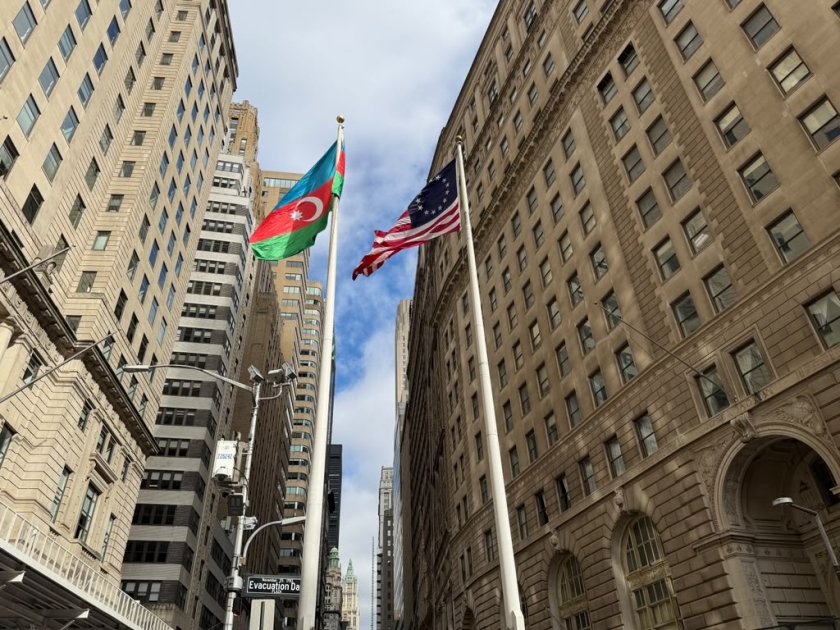
The heart of this pride is Flag Square, which is the symbol of the statehood of Azerbaijan. It is impressive in its way of the dignified role the flag has in a country’s life. The tricolor is also raised high during state events, international sports competitions and diplomatic events, proudly proclaiming Azerbaijan’s presence on the international stage.
Lessons for Generations to Come
In addition to ceremonies, Azerbaijani Flag Day has a significant message for the young people. Independence did not come as a gift nor was it inevitable. It grew from the will of its founders of 1918, and was nurtured as a dream in the Soviet period and revived by the reforms of the late 1980’s and 1990’s.
Younger Azerbaijanis learn this story and realize its importance of freedom and responsibility to safeguard it. The flag becomes a teacher and it brings to each generation the message that national identity should always be cherished, nurtured and passed on wisely.
The three colors are a lesson one more to celebrate. Blue, red and green are all a part of the Azerbaijani story but add up to one proud symbol. The essence of a nation with Turkic roots and Islamic heritage and its deep commitment to modernization is in that unity.
Tribute
A flag is more than just a piece of cloth blown in the wind. It is what connects a state and its people, memory to responsibility. In Azerbaijan, 9 November is a day of remembrance of the past achievements, and a day of the present duties to be fulfilled with confidence.
It is the symbol of a republic, of loss of independence and of the restoration of sovereignty. It is the story of courage and incredible history of modern Azerbaijan. Hence, Azerbaijani Flag Day goes beyond mere celebration of the colors. A proud tribute to a nation that has upheld its identity, fought for its independence and continues to build its future with dignity and determination.
Copyright © 2026 by Fatima Tuz Zehra. All rights reserved. Reproduction or distribution of this content, in whole or in part, without prior written permission is prohibited.

President “The Gulf Observer Research Forum” and the Editor-In-Chief, https://thegulfobserver.com