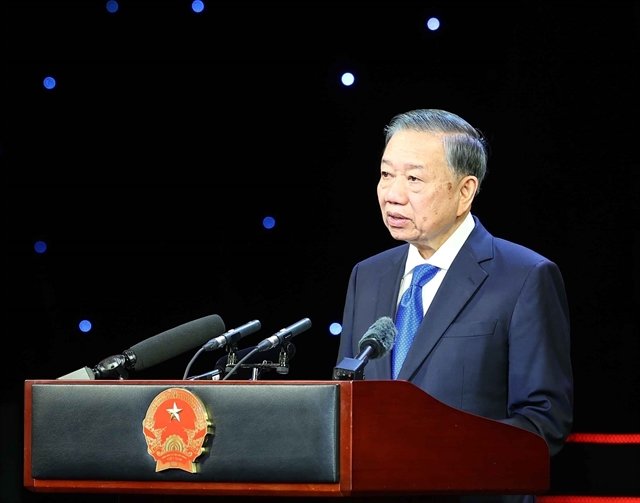
Hanoi, November 25, 2026 – The Europe Today: General Secretary of the Communist Party of Vietnam (CPV) Central Committee and State President To Lam has made a strong appeal to the entire Party, the people, the armed forces and Vietnamese at home and abroad. He asked them to nurture the nation’s culture with responsibility and compassion, and to treat it as a commitment to national development. He presented culture as a key force behind Vietnam’s goals for 2030 and 2045.
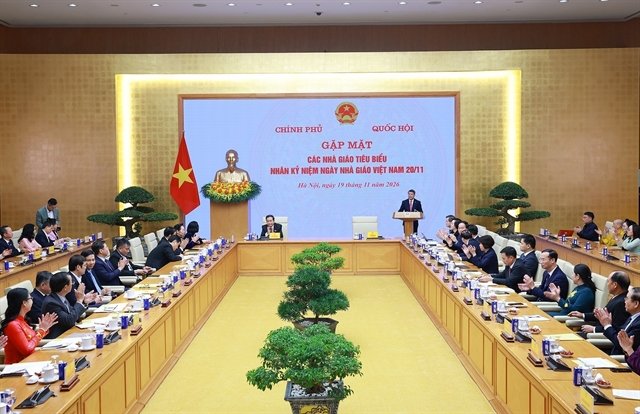
To Lam made the appeal on Tuesday at a ceremony in Hanoi marking the 80th anniversary of the first National Cultural Conference (November 24, 1946 – 2026). The CPV Central Committee, the National Assembly, the State President, the Government and the Vietnam Fatherland Front Central Committee organised the event together. It was one of the most significant cultural gatherings in the country’s recent history.
To Lam Pays Tribute to the Guardians of Vietnamese Culture
Opening his address, To Lam paid tribute to President Ho Chi Minh. He thanked the generations of leaders and citizens who gave their energy, and in many cases their lives, on the cultural front.
He also recognised intellectuals, artists, artisans, teachers, cultural officials and ethnic communities across Vietnam. He gave special thanks to the people who quietly keep traditional crafts alive, pass on knowledge, nurture family values and hand the nation’s cultural heritage on to future generations.
A New Era Demands a New Kind of Citizen
The top leader said Vietnam is entering a new stage of development as it carries out the Resolution of the 14th National Party Congress and works toward its 2030 goals and 2045 vision.
He said these people-centred ambitions require Vietnamese citizens with matching qualities, knowledge and creativity. He noted that digital technology and artificial intelligence are changing how people learn, communicate, access and create culture. He warned that the more open international exchange becomes, the more each person needs a solid grounding in national culture to choose wisely which outside influences to adopt.
A Frank Look at Cultural Shortcomings
General Secretary and President To Lam openly listed the weaknesses in Vietnam’s cultural development. He said uncivilised behaviour and falling ethical standards in parts of society remain a serious concern. He added that gaps persist in access to culture between regions and population groups, and that talent development and heritage protection have been neglected in some areas.
He also said Vietnam’s rich cultural resources have not been fully used to produce compelling works and products. In some localities, he noted, investment has focused too heavily on buildings and infrastructure and too little on people and the quality of cultural life.
He warned that when culture is undervalued, efforts to develop people and build lasting values suffer. He pointed to Resolution No. 80 of the Politburo and Resolution No. 28 of the National Assembly, which set out direction, mechanisms and policies for cultural development. He called on the whole political system to put the Party’s cultural policies into practice and to unlock creative potential.
Integrity at the Top: “The Higher the Position, the Greater the Responsibility”
In one of the most widely quoted moments of the ceremony, To Lam called for a culture of integrity inside the Party and the state apparatus. He said integrity, impartiality and service to the people must show in how power is used, in whether promises to the public are kept, and in how official duties are carried out.
“The higher an official’s position, the greater their responsibility to set an example. In the economy, business ethics must be valued, while legitimate wealth creation should be encouraged alongside responsibility towards workers, communities and the country,” he declared.
People as the Heart of Vietnamese Culture
To Lam stressed developing Vietnamese people in every dimension. He described the people as the creators, keepers and transmitters of culture, and the ones who ultimately decide whether it stays alive.
He said cultural development should help individuals live better lives and take charge of their own futures. Everyone should be encouraged to learn, cooperate, innovate, respect labour and take responsibility for themselves, their families and society. He added that national values, family values and the standards of Vietnamese people should be reflected in education and everyday conduct.
Preserving Identity While Enriching the Nation’s Culture
He said every generation has a duty to protect the values it inherits and to add new ones. That means respecting the Vietnamese language as well as the languages and writing systems of ethnic groups, preserving the core values of cultural heritage, and protecting the living environments and cultural practices of communities.
The President also spoke strongly in support of creative freedom. He said creative people must be trusted and respected, and young talent must be trained and nurtured. He said creative freedom should go together with social responsibility. He also called for a democratic and open environment in which artists can explore new ideas and debate respectfully.
He urged intellectuals, artists and artisans to stay close to the people, stand against wrongdoing, and draw on the world’s finest cultural achievements.
Taking Vietnamese Culture Global in the Digital Era
Looking ahead, To Lam called for Vietnamese culture to become more self-reliant and to reach further around the world. He urged the country to build a distinctive, high-quality and competitive cultural industry by connecting creators, training institutions, businesses and cultural organisations.
In the digital space, he called for stronger content creation, mastery of technology and wider public access. He said the use of technology must go together with protecting copyright and creators’ legitimate rights.
He also stressed the need for compelling, knowledge-rich works that help young people understand and value national culture, and that counter historical distortion. He described overseas Vietnamese as a bridge for bringing Vietnamese talent and works to audiences worldwide and for building friendship between nations.
Institutional Reform and Resources for Culture
The leader called for reforms in how culture is led and managed. “The State should improve institutions and policies to reflect the specific characteristics of culture and the arts, promptly address regulatory and management obstacles, and create favourable conditions for cultural activities to flourish. Resources must be adequately allocated to culture and used effectively in line with Party guidelines and State laws,” he noted.
Vietnam Culture Day: A Celebration for Every Family
November 24 is now designated as Vietnam Culture Day. To Lam said he hopes every generation will use the day to come together and deepen its love for national culture.
“Families reading books together, schools organising heritage activities and communities holding artistic events will all help make the occasion meaningful. Activities should be practical and economical, allowing people to participate voluntarily according to their interests and needs,” he said.
He closed with this message: “Let the nation’s finest values be carried forward by every individual, family and community, becoming an extraordinary strength driving Viet Nam towards prosperity, civilisation and happiness.”