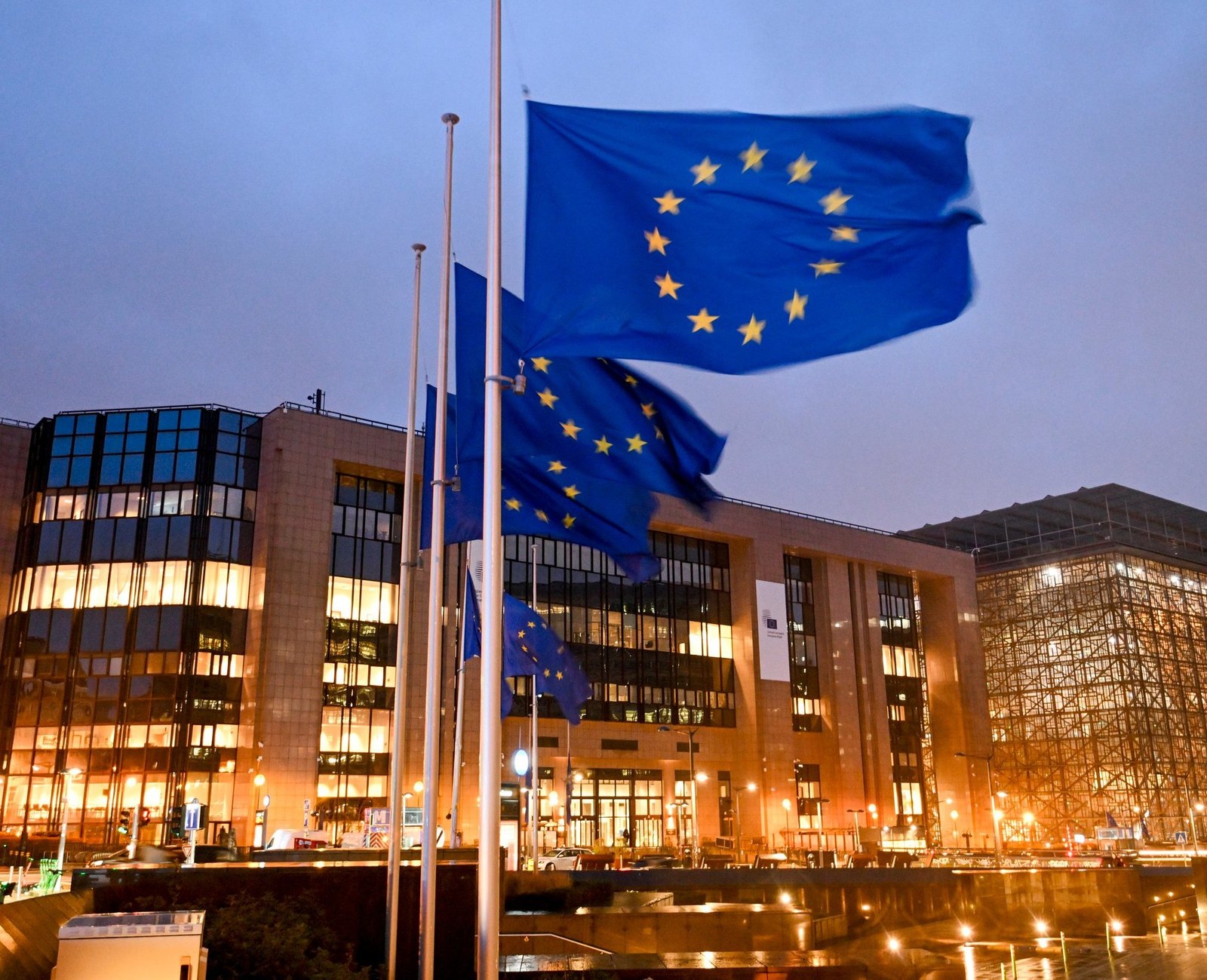
Brussels, June 5, 2026 – The Europe Today: The European Council has approved a new anti-drug framework and endorsed a comprehensive European Action Plan against drug trafficking aimed at strengthening the European Union’s response to the growing challenges posed by drugs to public health, security, and societal stability.
In a statement, the Council said the new measures are designed to address rising threats from organised crime networks while reducing drug demand and mitigating related harms across Europe.
The approved framework includes a coordinated strategy that brings together policymakers and operational actors from health, justice, education, and law enforcement sectors to ensure effective implementation at local, national, European, and international levels.
The Council also endorsed the 2026–2030 Action Plan against drug trafficking, which focuses on three core pillars: strengthening efforts to combat drug trafficking, maximising the use of existing EU mechanisms, and launching innovative cross-border cooperation initiatives.
The statement highlighted that particular emphasis will be placed on tracing financial flows linked to criminal networks, reinforcing maritime security through initiatives such as the European Ports Alliance, and expanding the role of the Maritime Analysis and Operations Centre – Narcotics (MAOC-N).
It further noted plans to enhance public-private cooperation with postal and logistics companies, as well as deepen engagement with technology firms to combat online recruitment by criminal groups, particularly targeting minors.
The implementation framework outlines five key priority areas, including strengthening preparedness against drug-related health and security threats, promoting evidence-based prevention and treatment, combating production and trafficking networks, reducing drug-related harm, and reinforcing international partnerships.
Cyprus Minister of Justice and Public Order Costas Vettieris said drug trafficking and consumption represent a serious threat to societies and democratic institutions, adding that the new coordinated measures will strengthen the EU’s response to organised crime while enhancing citizen safety and public health.
The European Council is expected to address drug-related challenges formally for the first time at its meeting on 18–19 June 2026. Progress on the implementation of the strategy will be reviewed regularly, with a comprehensive assessment report to be issued in the coming period.