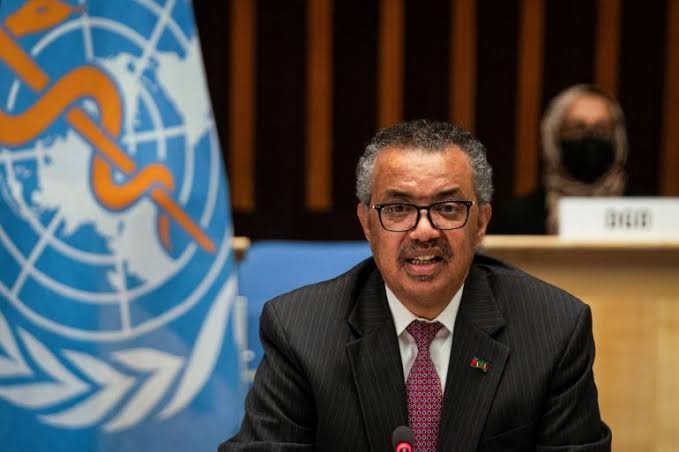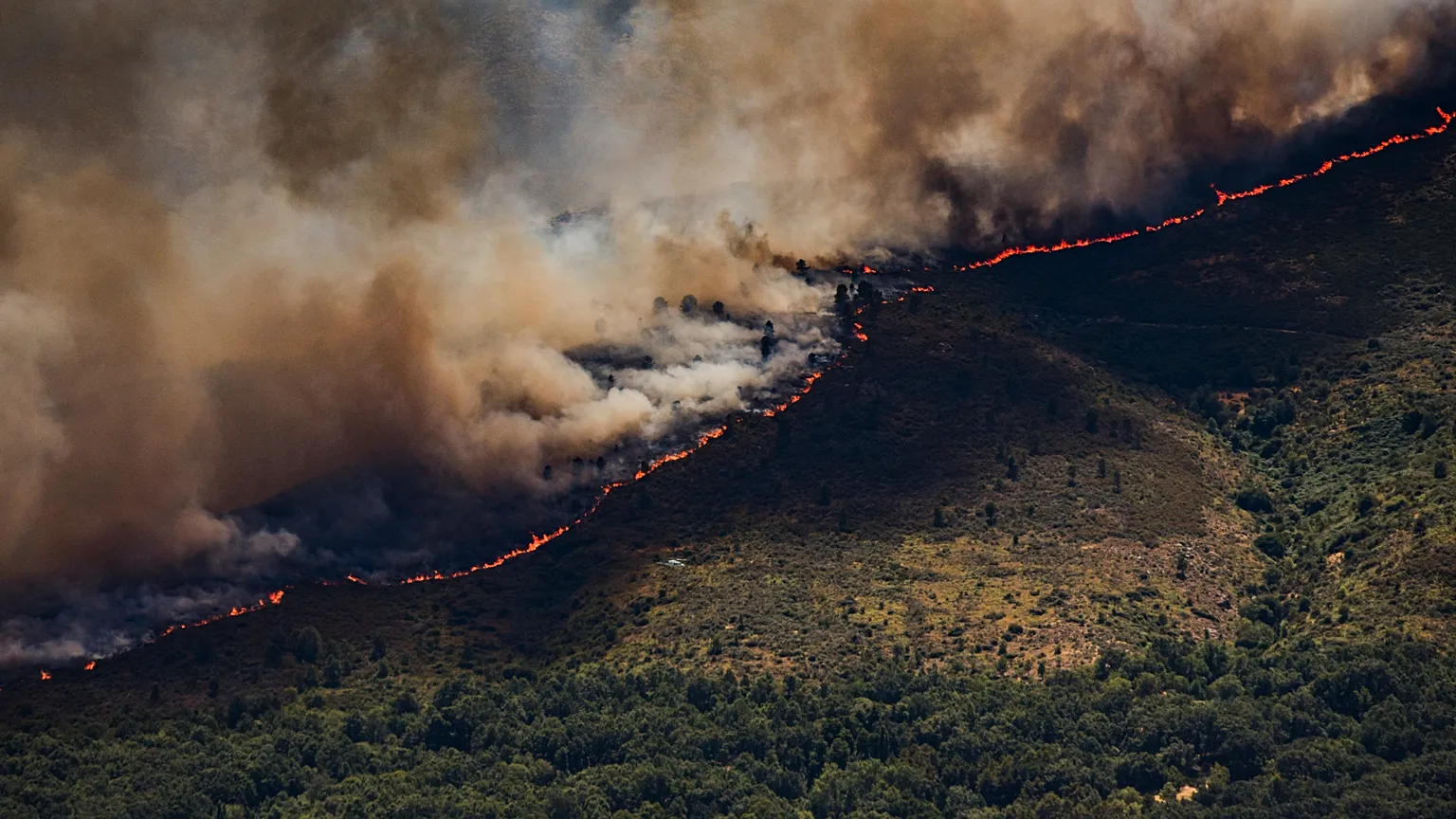
Geneva, July 25, 2026 – The Europe Today: The World Health Organization (WHO) has warned that wildfires are becoming increasingly severe across Europe, with the amount of land burned rising by 57 percent over the past four years, driven largely by climate change, rising temperatures, and prolonged dry conditions.
According to new data released by WHO Europe, wildfires consumed 2.2 million hectares of land across the WHO European Region in 2025, compared with 1.4 million hectares in 2022.
The report highlights a sharp increase in wildfire activity across southern Europe. In Spain and Portugal, the number of wildfires has more than doubled compared with last year.
In Spain, authorities declared a national emergency on Friday as major wildfires near Madrid forced the evacuation of around 10,000 residents. Regional officials described the blazes as the worst ever experienced in the area.
Meanwhile, in southern France, multiple wildfires prompted the evacuation of approximately 63,000 people after destroying around 80 homes, according to national authorities.
In a statement, WHO said wildfires are causing widespread destruction by damaging homes and livelihoods, forcing mass evacuations, overwhelming emergency services and healthcare systems, and, in many cases, resulting in loss of life.
The organization attributed the growing intensity and frequency of wildfires to climate change, noting that rising temperatures, increasingly dry conditions, and expanding urbanization are extending the duration and severity of wildfire seasons across the region.
Also on Friday, Simon Stiell, Executive Secretary of the United Nations Framework Convention on Climate Change (UNFCCC), stressed that accelerating the global transition to renewable energy is essential to protecting communities from worsening climate-related disasters, including wildfires.
“Action now is the basis of long-term peace and security around the world,” Stiell said.
WHO urged residents and travelers in wildfire-affected areas to follow official safety instructions, avoid unnecessary travel, move away from active fire zones when safe to do so, and wear properly fitted protective masks when exposure to smoke cannot be avoided.
The organization also called on governments to strengthen preparedness by issuing timely weather warnings, providing clear public health guidance, ensuring access to primary and emergency healthcare, and offering additional support to vulnerable populations.
WHO Europe said it is working closely with member states to assess wildfire risks, improve emergency preparedness, develop public health guidance on smoke exposure and extreme heat, and enhance the resilience of healthcare services and facilities in the face of growing climate-related threats.