Tokyo, November 22, 2026 – The Europe Today: Japan is considering paying its 2027 contributions to the International Criminal Court (ICC) months ahead of schedule, in a bid to keep the court running before sweeping US sanctions cut it off from the dollar system, according to reports by Nikkei Asia and Jiji Press.
The move would see Tokyo, the court’s largest financial backer, step in at a critical moment for the Hague-based tribunal, which faces the threat of a serious cash crunch as early as next spring.
Why US Sanctions Put the ICC in Danger
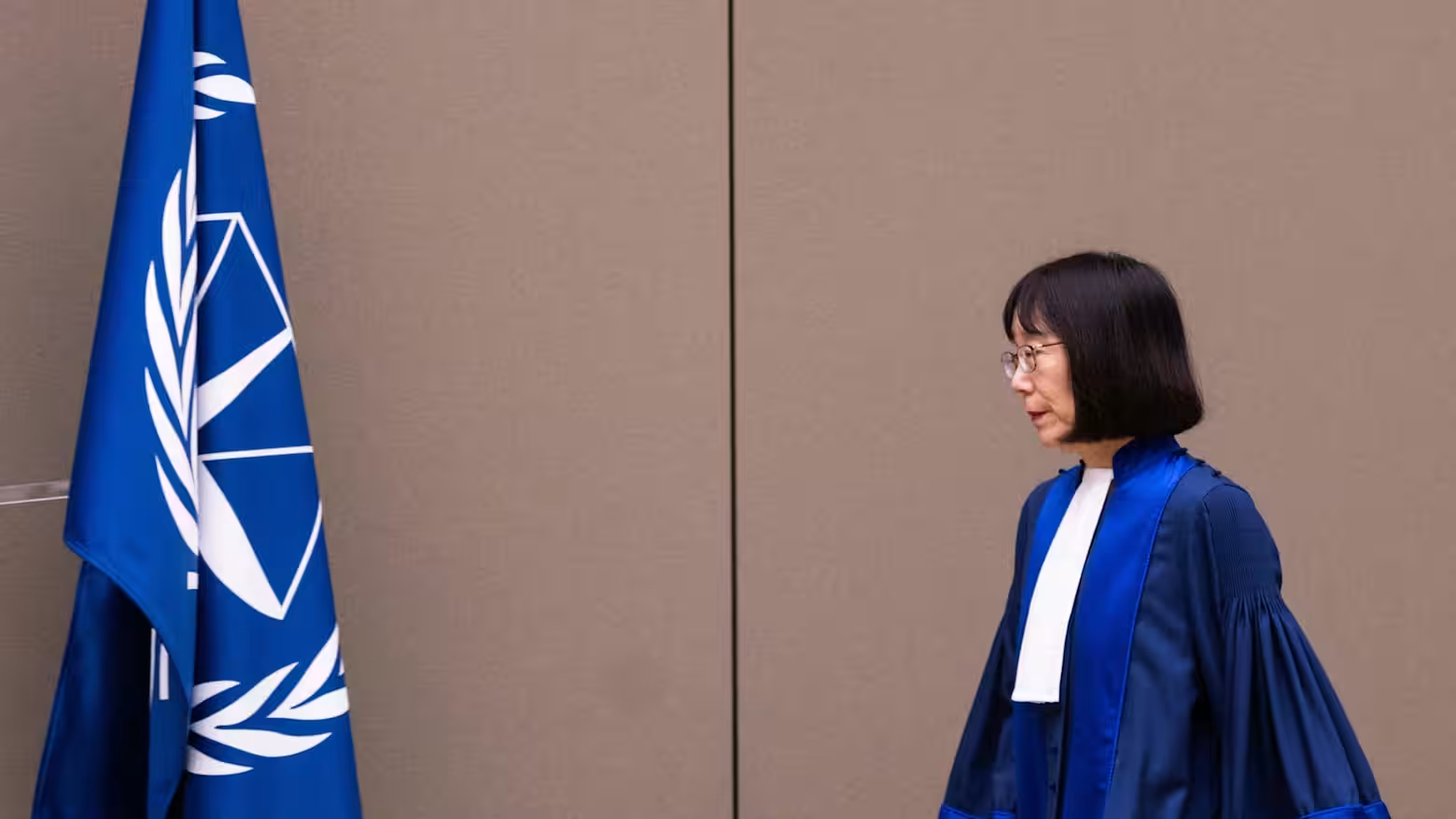
In October, the administration of President Donald Trump designated the ICC itself for sanctions, while granting a 180-day grace period. In August, Washington had already sanctioned the court’s president, Tomoko Akane, a Japanese national.
If the sanctions are fully enforced as early as April next year, the court could lose access to dollar-based settlements. That could disrupt its day-to-day operations, including the payment of staff salaries.
“If nothing is done, the ICC could soon face a funding shortfall,” a Japanese government official said.
How Early Payment From Japan Would Help the ICC
Japan normally pays its annual contributions to the court after April, once its new fiscal-year budget takes effect. Under the current timetable, that money could arrive only after the sanctions bite.
Paying the 2027 contribution in advance would give the court a financial cushion before the grace period runs out. Japan provided about 4.6 billion yen to the ICC this year, roughly 15 percent of the contributions member states are required to pay.
ICC Asks Tokyo to Pay Ahead of Schedule
The idea has support beyond the government. On November 6, a cross-party group of Japanese lawmakers met Akane at the court’s headquarters in The Hague. The delegation was led by former Defence Minister Gen Nakatani of the ruling Liberal Democratic Party and Yasue Funayama of the opposition Democratic Party for the People.
According to Funayama, the court asked Japan to pay its 2027 contribution early. Akane told the lawmakers the ICC “needs the support of states parties” to continue its work. Nakatani plans to brief Chief Cabinet Secretary Minoru Kihara on his return and urge the government to make an advance payment possible.
Japan Walks a Fine Line Between the ICC and Its US Ally
The issue has created a rare point of friction between Tokyo and Washington. Japan joined the ICC in 2007 and relies heavily on its security alliance with the United States.
After the sanctions on Akane, Prime Minister Sanae Takaichi said: “As the largest financial contributor to the ICC, we must protect this important institution.” Earlier this month, the government also said it was considering financial assistance to the court.
An early payment would be one of the clearest signs yet that Japan is prepared to back those words with money, and it could decide whether the world’s only permanent war crimes court can keep its doors open in 2027.