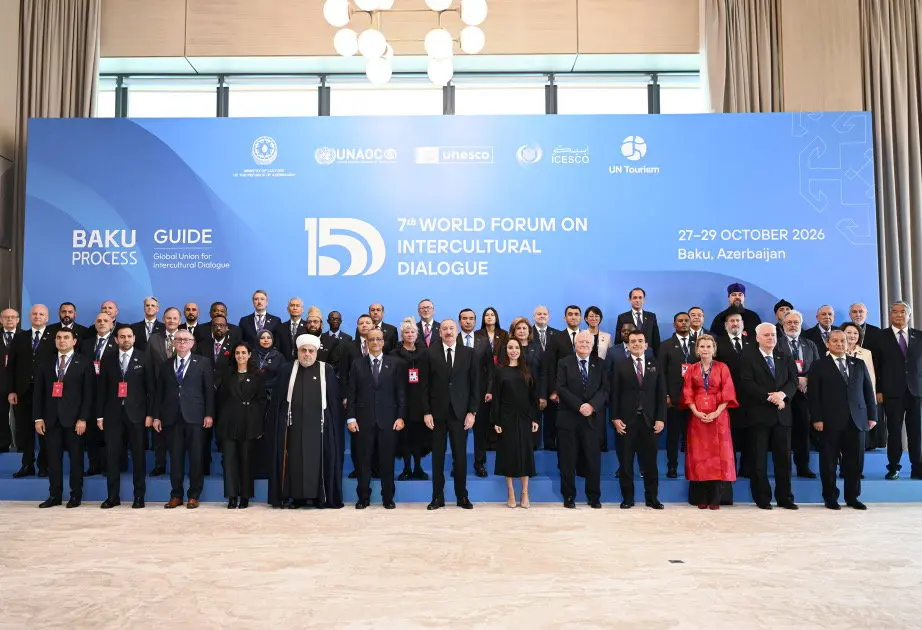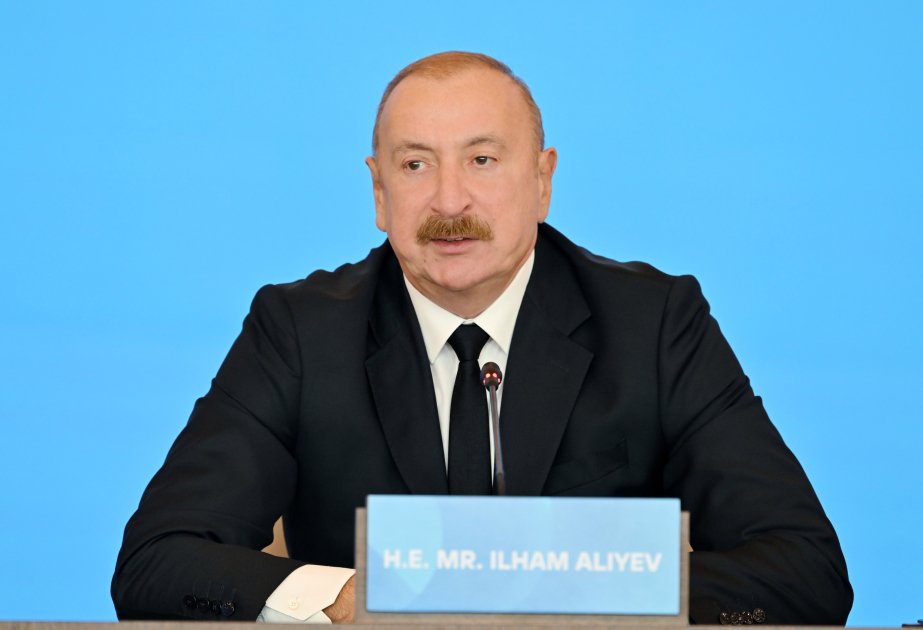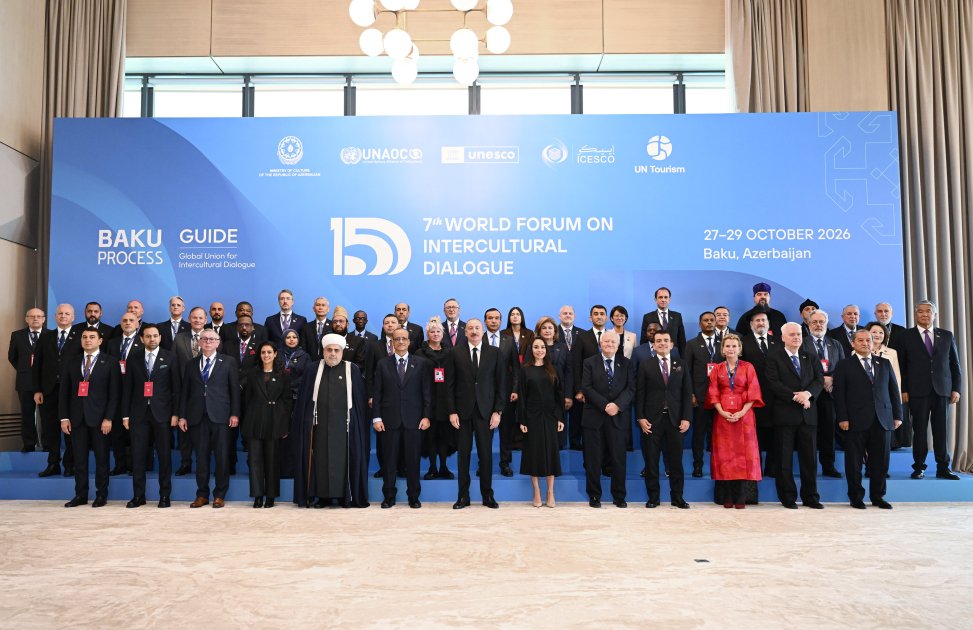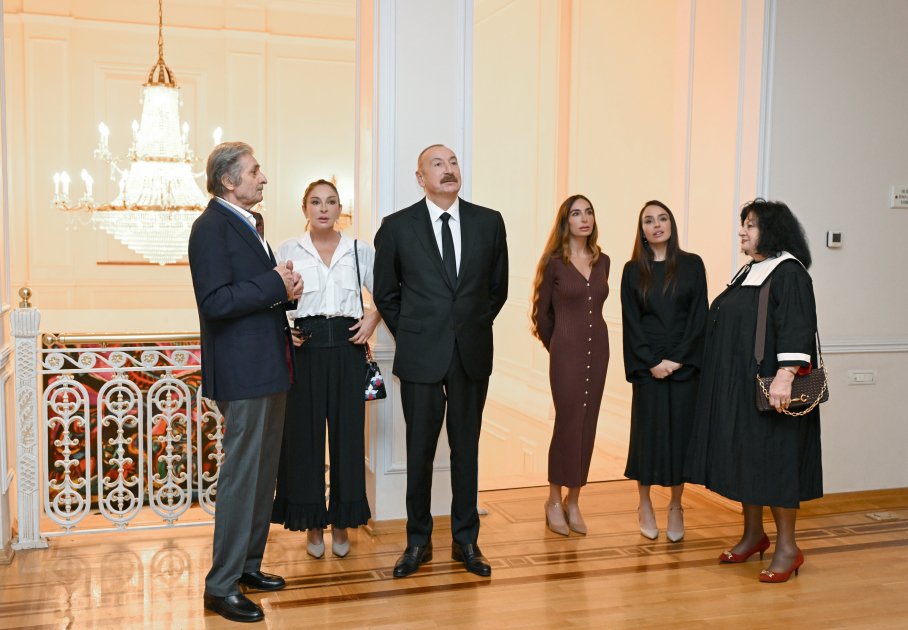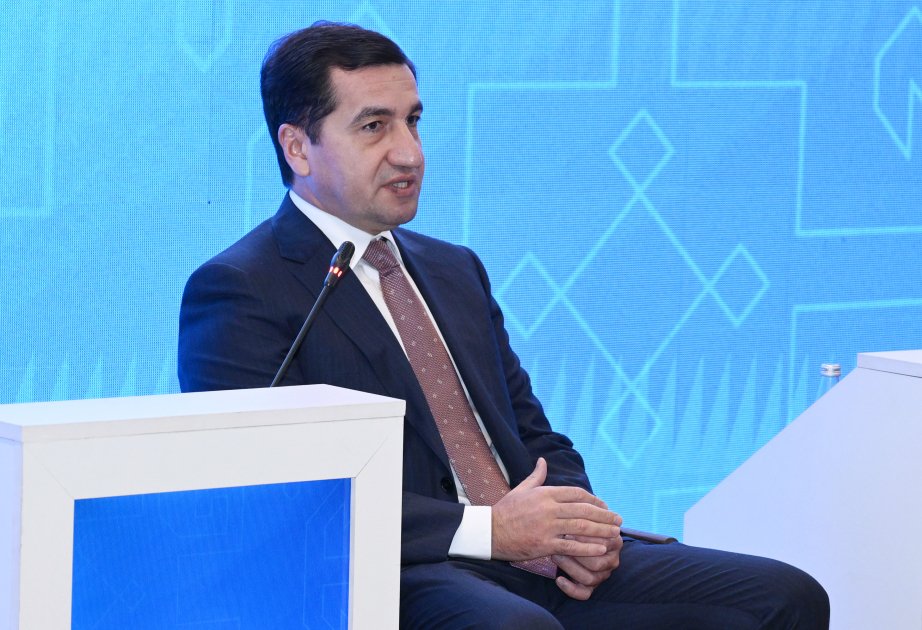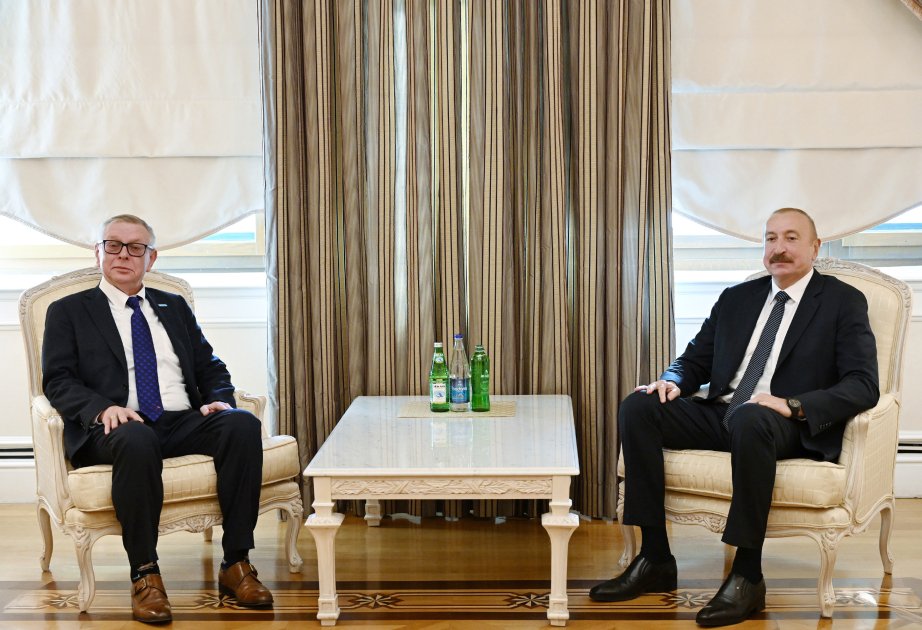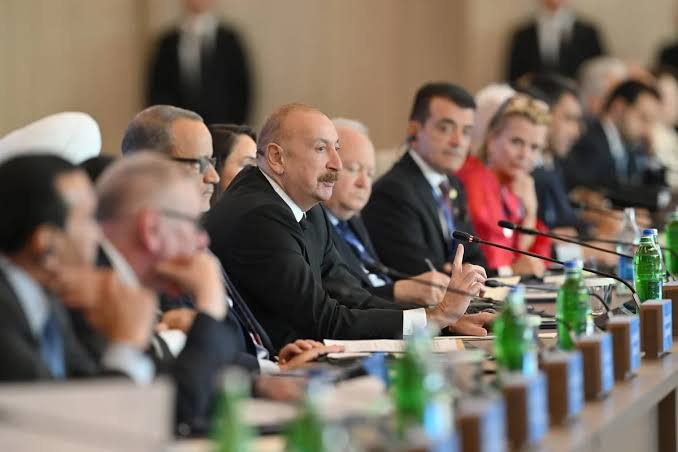
Baku is a platform for the world’s discussion on culture, faith and coexistence. The 7th World Forum on Intercultural Dialogue on October 27-29, however, had a meaning greater than the previous ones, with the theme “Dialogue for a Shared Future”. More than 2,000 participants attended the Forum, including over 500 foreign guests from over 100 countries, when wars, ideology polarization and growing intolerance challenge the international order fifteen years into its operation. The Forum, from the opening address of President Ilham Aliyev to the closing ceremony, proved that dialogue, which is accompanied by a solid political will, can turn from aspiration to action.
Vision and Continuity
President Aliyev expressed great pride in the history of the Forum in its opening. The first Forum was organised at Azerbaijan’s initiative in 2011 and he thanked the country’s partners, particularly the UN Alliance of Civilizations, for their support during the years. The number of participants gave the impression that the Forum has established itself as one of the most effective and participatory forums for discussing intercultural relations and much more, as every edition addresses the most pressing topics on the international agenda, he said.
This continuity is a feat in itself. The Baku Process, which President Aliyev introduced in 2008 to establish mutual engagement between the Council of Europe and the Organisation of Islamic Cooperation, is the origin of the Forum. Starting as an idea for “tackling the links between two cultural spheres,” it has now become a regular international fixture, with only the pandemic years between; its two-year cycle continues. There are not many programmes in cultural diplomacy that can boast of such longevity.
Multicultural Inheritance
President Aliyev laid the foundations for the mission of the Forum in Azerbaijan’s identity. The country is located between Europe and Asia, and is a cultural bridge between the two continents; the people have followed traditions of multiculturalism and religious and ethnic tolerance for centuries. He said intercultural and interreligious relations are always at the top of the agenda.
This is what gives Baku its credibility as a host. Azerbaijan does not look to intercultural dialogue as a theoretical concept, but as a life experience. The Forum is a call for the world to participate in a society which has been a society of unity based on diversity for a long time.
Civilizational Diplomacy: From Reaction to Prevention
The Forum’s most intellectually challenging Plenary was “Civilizational Diplomacy and Strategic Foresight — Anticipating Tensions, Building Inclusive Pathways to Peace”. The session, organised by the Islamic World Educational, Scientific and Cultural Organization (ICESCO) and the Center for Analysis of International Relations and Multiculturalism of Azerbaijan, asked a question which is at the core of contemporary peacebuilding.
How can one involve civilizational actors, such as states, cultural and religious institutions and the scientific communities as a genuine partner in diplomacy? So what foresight instruments can be used to identify intercultural tensions or tensions in the early stages so that proactive, not reactive, interventions can be designed?
This forum carries a lot of meaning. Much of the international diplomatic work remains reactive; action only taken when the situation has reached crisis stage. The notion of “civilizational diplomacy” and strategic foresight is a new one in which cultural and religious institutions are not mere observers, but early-warning partners, and in which dialogue is employed to defuse tensions before they boil over. I think that this has been a discussion that has been organized in Baku, it’s also an indication of Azerbaijan’s contribution in terms of ideas.
The speakers emphasized the importance of dialogue platforms, including the World Forum organized in Baku, in fostering dialogue and establishing links between various views and perspectives. They also highlighted the need to give voice to the youth and promote inter civilizational dialogue and work towards peace in inclusive ways.
Focus on Youth
The focus on youth was not a coincidence. During the 3 days of the Forum, the forum focused on women’s empowerment, youth engagement, interfaith dialogue, cultural heritage and museums/historical places as dialogue spaces. A plenary on intercultural digital futures and artificial intelligence highlighted the role of new technologies in the cultural exchange and a session on the creative industries focused on the role of culture in economic opportunities and soft power. Participants were also planned to visit Karabakh where they will see Azerbaijan’s free territories for the first time.
These dialogues demonstrated a Forum that is not only focused on the past, but also on the future generations, technologies and institutions that will test the survival of intercultural understanding in the years to come.
Closing
At the closing ceremony, Miguel Ángel Moratinos, High Representative of the UN Alliance of Civilizations, and UN Special Envoy on Combating Islamophobia, Minister of Culture Adil Karimli, participated alongside the representatives of the countries and organisations in the event as well as cultural representatives and members of the public.
The speakers agreed that the panels and plenary sessions of the Forum had played an important role in supporting global peace, mutual understanding and intercultural integration. This prestigious platform organised in Azerbaijan is an invaluable contribution to fostering dialogue among civilisations and tolerance of religious and cultural differences in the background of the current global tensions and ideological clashes, they pointed out. The ceremony ended with thanks to the President of Azerbaijan, Ilham Aliyev, and the Government of Azerbaijan for the high quality of the Forum’s organization, which was also expressed by ICESCO’s Director-General who congratulated the President on the success of the Forum.
Conclusion: Dialogue as Strategy
The 7th World Forum on Intercultural Dialogue reiterated Azerbaijan’s success in transforming a cultural heritage into a diplomatic policy. Under President Ilham Aliyev, Baku has established a forum that brings together international organisations, governments, scholars, faith leaders and young people to a common cause: the prevention of conflict in the first place. The Forum was a space for civilizational diplomacy and strategic vision, and for youth and inclusion to be at its core, and it was a space to not only talk about a shared future, but to craft a shared future.
Copyright © 2026 by Malik M. Shafiq. All rights reserved. Reproduction or distribution of this content, in whole or in part, without prior written permission is prohibited.
Chief Executive Officer, The Europe Today