Jakarta, The Europe Today: The Indonesian government has outlined three core priorities to halt deforestation and forest degradation by 2030, focusing on protecting forests, strengthening the sustainable forestry economy and empowering local communities.
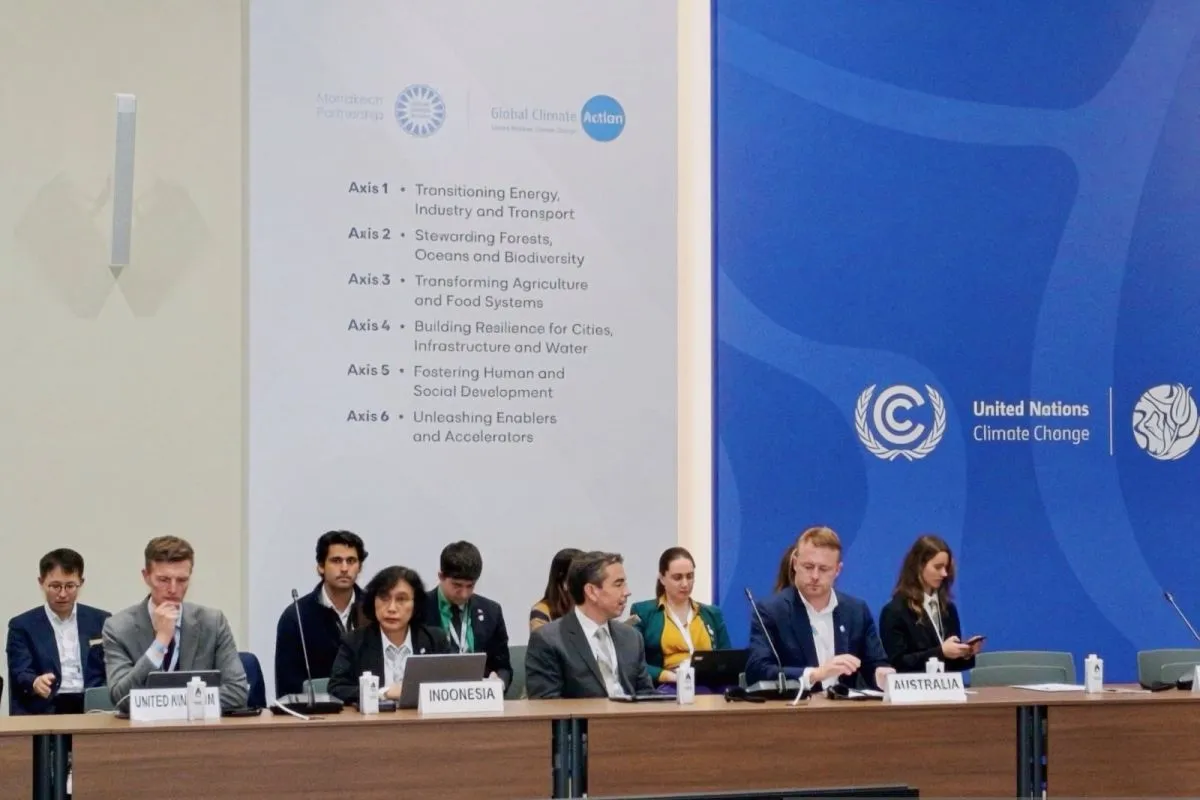
The priorities were presented by Haruni Krisnawati, Senior Advisor on Climate Change to the Minister of Forestry, at the UN Climate Change Conference (COP31) in Antalya, Türkiye, on Monday, November 9. She spoke at the launch of the Presidency Roadmap on Enhancing Efforts towards Halting and Reversing Deforestation and Forest Degradation by 2030.
Forest Protection and Ecosystem Restoration
“The first priority is forest protection and the restoration of degraded ecosystems through Indonesia’s Forestry and Other Land Uses (FOLU) Net Sink 2030 program,” Krisnawati said in a statement released on Tuesday.
“These efforts encompass reducing deforestation, restoring forests and peatlands, and enhancing sustainable forest management,” she added.
Krisnawati emphasized that Indonesia is also intensifying the prevention of forest and land fires as part of its plan to halt deforestation by 2030. These measures are supported by early warning systems, community-based prevention initiatives and rapid-response mechanisms, with particular attention to fire-prone areas and vulnerable peatland ecosystems.
Strengthening the Sustainable Forestry Economy
The second priority focuses on reinforcing the economic viability of sustainable forest management through a multi-business forestry framework. This approach extends beyond traditional timber harvesting to include non-timber forest products (NTFPs), environmental services and other green business ventures, creating new sources of value while keeping forests standing.
The government is also expanding conservation financing through the Public Service Agency (BLU) financial scheme across several national parks. The scheme grants park authorities greater autonomy to reinvest operational revenues directly into conservation activities, strengthening the long-term sustainability of protected areas.
Empowering Local Communities Through Social Forestry
The third priority centers on community empowerment through the Social Forestry program. To date, Indonesia has granted legal forest management access covering more than 8.3 million hectares, benefiting approximately 1.4 million households.
Looking ahead, the government aims to increase the economic value of these community concessions through technical assistance, tailored financing, community enterprise incubation and improved market access, ensuring that local communities become key partners in efforts to halt deforestation.
Call for International Support
During the session, Indonesia underscored the critical need for international support, calling for more accessible and predictable climate financing, including results-based payments under the REDD+ framework.
Beyond direct financing, Krisnawati stressed that technology transfer and capacity building remain essential to strengthening wildfire prevention, ecosystem restoration, forest monitoring and transparent reporting.
Cross-Sectoral Coordination
Concluding her remarks, Krisnawati highlighted the importance of cross-sectoral coordination, cautioning that deforestation pressures extend far beyond the forestry sector. She noted that these pressures remain closely intertwined with land-use policies, broader economic activity and commodity supply chains, making a coordinated national and international response vital if Indonesia is to meet its goal to halt deforestation by 2030.