Jakarta, November 23, 2026 – The Europe Today: Indonesia has officially joined the International Agency for Research on Cancer (IARC). The milestone is expected to transform the country’s cancer research landscape, open the door to global scientific partnerships and improve cancer care for millions of Indonesians.
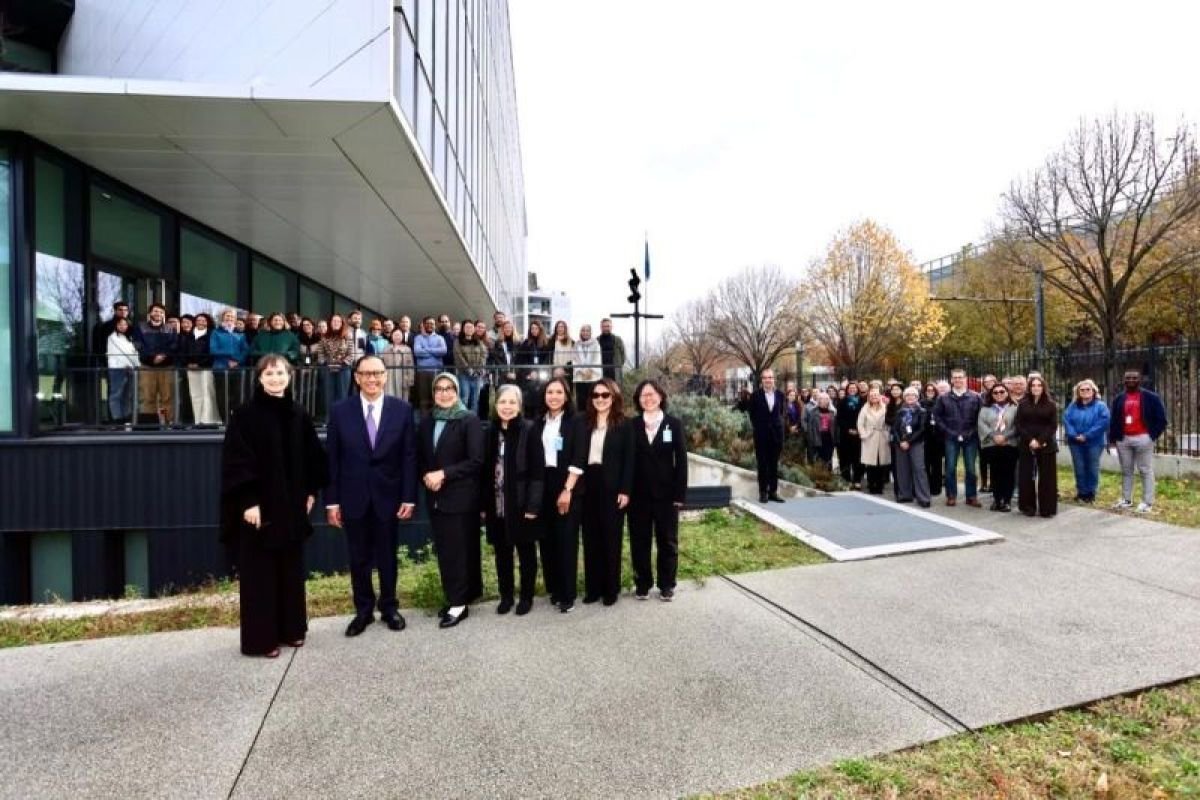
The moment was marked in Lyon, France, on November 16, when Indonesia’s Red and White flag was raised alongside the flags of other member states at IARC headquarters. It signals the arrival of Southeast Asia’s largest nation in one of the world’s most influential cancer research bodies.
Indonesia Joins IARC: A Turning Point for National Cancer Research
Speaking in Jakarta on Sunday, Health Minister Budi Gunadi Sadikin hailed the membership as a breakthrough. He said it would raise the quality of domestic research, sharpen Indonesia’s global competitiveness, and let the country play a more active role in international cancer research.
“This achievement is the result of collective efforts, including support from the Health Ministry and the continued work of the Dharmais Cancer Hospital team, which has actively engaged with IARC from the outset,” Sadikin said.
His remarks credit Jakarta’s Dharmais Cancer Hospital, Indonesia’s national cancer centre. Its specialists worked with the agency long before formal membership became a reality, building the scientific ties that made the accession possible.
Why IARC Membership Matters
IARC is the specialised cancer agency of the World Health Organization. It is headquartered in Lyon and has been a world reference point for cancer science since 1965. Its research shapes how governments understand the causes of cancer, design screening programmes, and set prevention policy.
By joining, Indonesia gains a seat among nations that set the global cancer research agenda, rather than simply following it. Officials hope the membership will strengthen Indonesia’s national cancer research ecosystem and drive evidence-based innovation that feeds directly into health policymaking.
From Prevention to Patient Care: What Changes on the Ground
Health officials stress that stronger research is the backbone of comprehensive cancer management. That covers the full journey:
Prevention: finding and reducing the risk factors behind cancer
Early detection: catching the disease when it is most treatable
Diagnosis: improving accuracy and speed
Treatment: bringing in modern, evidence-based therapies
Patient care: improving quality of life and support for patients and families
For a country of more than 270 million people, gains at each stage could translate into lives saved across the archipelago.
A Gateway for Indonesian Scientists
One of the biggest gains from IARC membership is access. Indonesian researchers are expected to benefit from:
Wider participation in international research collaborations
Knowledge exchange with leading cancer scientists worldwide
Human resource development and specialised training
Access to global cancer research data and advanced technology
This puts Indonesian scientists in direct contact with the world’s top cancer research networks. It could speed up locally relevant discoveries and help the country build a new generation of cancer researchers.
“This Membership Must Be Utilised Optimally”
Bambang Widianto, the Health Ministry’s Special Staff for Governance and Bureaucratic Reform, described the membership as a strategic opportunity to raise both the quality and the international competitiveness of national cancer research.
“This membership must be utilized optimally to strengthen cancer research in Indonesia. We need to build researchers’ capacity, expand international collaboration, and ensure that research findings deliver tangible benefits to the public, particularly in cancer prevention, early detection, and treatment,” Widianto said.
His message is clear: joining IARC is a starting point, not a finish line. Success will be measured by whether research reaches hospitals, clinics and communities.
A Signal to the World
The decision reflects a wider shift in Indonesia’s health strategy towards science-driven policy and deeper global engagement. As cancer remains one of the most serious health challenges worldwide, Jakarta’s move shows it is ready to share the burden of finding answers and to bring those answers home.
With its flag now flying in Lyon, Indonesia has made its intentions plain: it plans to be a partner in the global fight against cancer, not a bystander.