Bali, , November 25, 2026 – The Europe Today: Indonesia is looking to turn its abundant seaweed into a new source of economic value. Deputy Minister of Foreign Affairs Arif Havas Oegroseno is seeking international partners to build a downstream seaweed industry that produces biostimulants, which could serve as an alternative to conventional fertilizers.
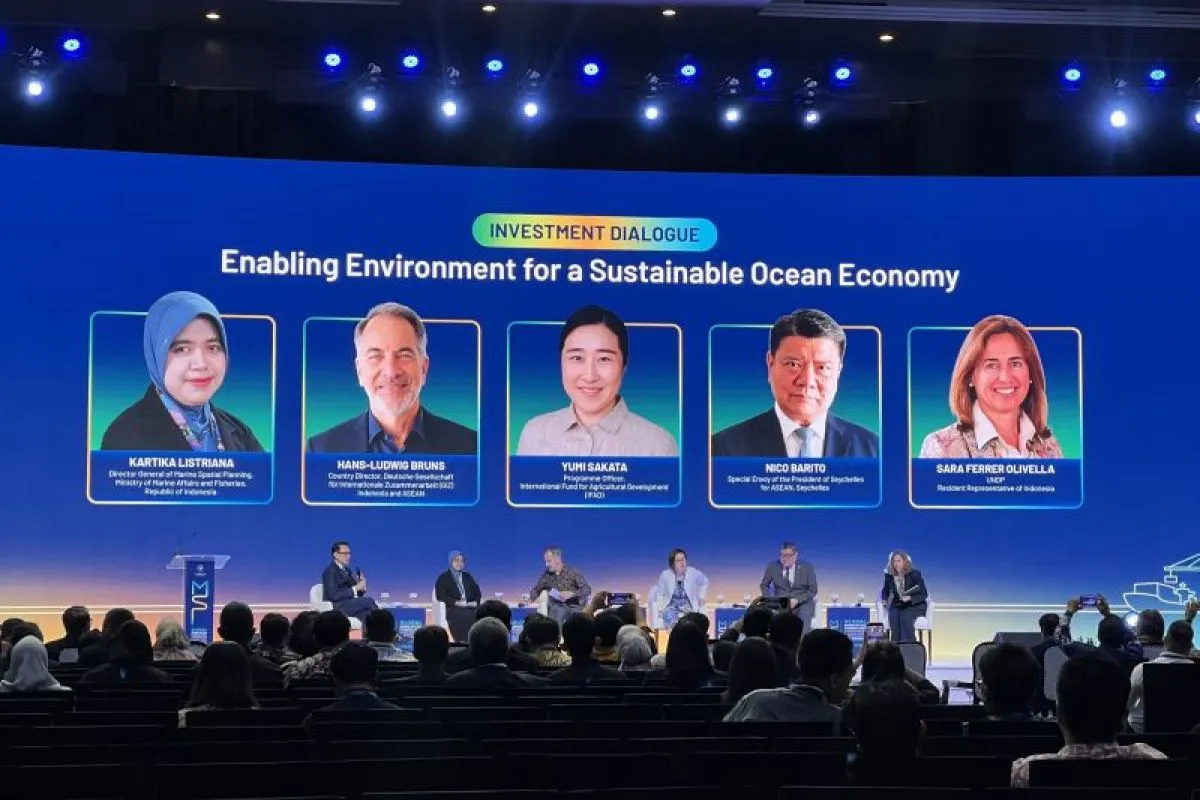
Oegroseno spoke on Wednesday at an investment dialogue session of the Global Marine Spatial Planning (MSP) Conference & Expo 2026 in Nusa Dua, Badung, Bali. He called on three major international development organisations to join the effort.
“I hope we can collaborate with GIZ, IFAD, and UNDP to develop our seaweed into biostimulants,” he said.
The three organisations he named are:
- the Deutsche Gesellschaft für Internationale Zusammenarbeit (GIZ), Germany’s agency for international cooperation
- the International Fund for Agricultural Development (IFAD)
- the United Nations Development Programme (UNDP)
Seaweed Biostimulants as an Answer to Indonesia’s Fertilizer Challenge
Oegroseno said processing seaweed into biostimulants could offer a valuable alternative to conventional fertilizers. He backed the case with striking figures. Indonesia currently subsidises about 10 million tons of fertilizer, and a further 14 million tons are sold without subsidies.
“Furthermore, Indonesia imports 8.3 million tons of fertilizer. Just imagine if we could produce biostimulants from seaweed; we could increase the value derived from our own natural resources,” he said.
A Flagship Project for the Blue Economy
Oegroseno said a project to turn seaweed into biostimulants could become one of the highlights of the 2026 Global MSP Conference & Expo. He described it as a large-scale initiative with a ready domestic market. It would support national food security while following the principles of the blue economy.
UNDP: Indonesia Is Leaving Value on the Table
Sara Ferrer Olivella, UNDP Resident Representative in Indonesia, highlighted the scale of the missed opportunity. She said Indonesia exports about 65 percent of its seaweed in raw, dried form. As a result, the country loses a large share of the value it could capture by processing that seaweed into biostimulants at home.
“Therefore, the opportunity lies not merely in increasing production volume, but in capturing greater domestic value-add through downstream processing and innovation,” Olivella said.
Why It Matters
Indonesia is one of the world’s leading seaweed producers. The push for downstream seaweed processing could:
- reduce the country’s dependence on fertilizer imports
- strengthen food security
- create higher-value jobs in coastal communities
With international partners such as GIZ, IFAD and UNDP potentially on board, seaweed biostimulants could become a model for how marine resources drive sustainable growth.