Jakarta, March 4, 2026 – The Europe Today: Indonesia is planning to commission its first nuclear power plant between 2032 and 2034 as part of a long-term strategy to transform its energy sector and achieve net-zero emissions, Secretary-General of the National Energy Council (DEN) Dadan Kusdiana announced on Tuesday.
Speaking in Jakarta, Kusdiana said the initiative forms part of Indonesia’s broader plan to develop 44 gigawatts of nuclear power capacity by 2060. Of this total, 35 gigawatts will be dedicated to electricity generation, while 9 gigawatts will support hydrogen production beginning in 2045, contributing to the country’s clean energy transition.
According to the National Electricity Planning (RUPTL) 2025–2034, Indonesia has set an initial target of 500 megawatts of nuclear capacity, with the first reactors expected to be deployed from 2032 in Sumatra and Kalimantan.
Kusdiana emphasized that Indonesia’s nuclear program is supported by a solid legal framework, including the 1997 Nuclear Energy Act and the 2025 National Energy Policy Regulation, both of which recognize nuclear energy as an essential balancing component in the national energy mix.
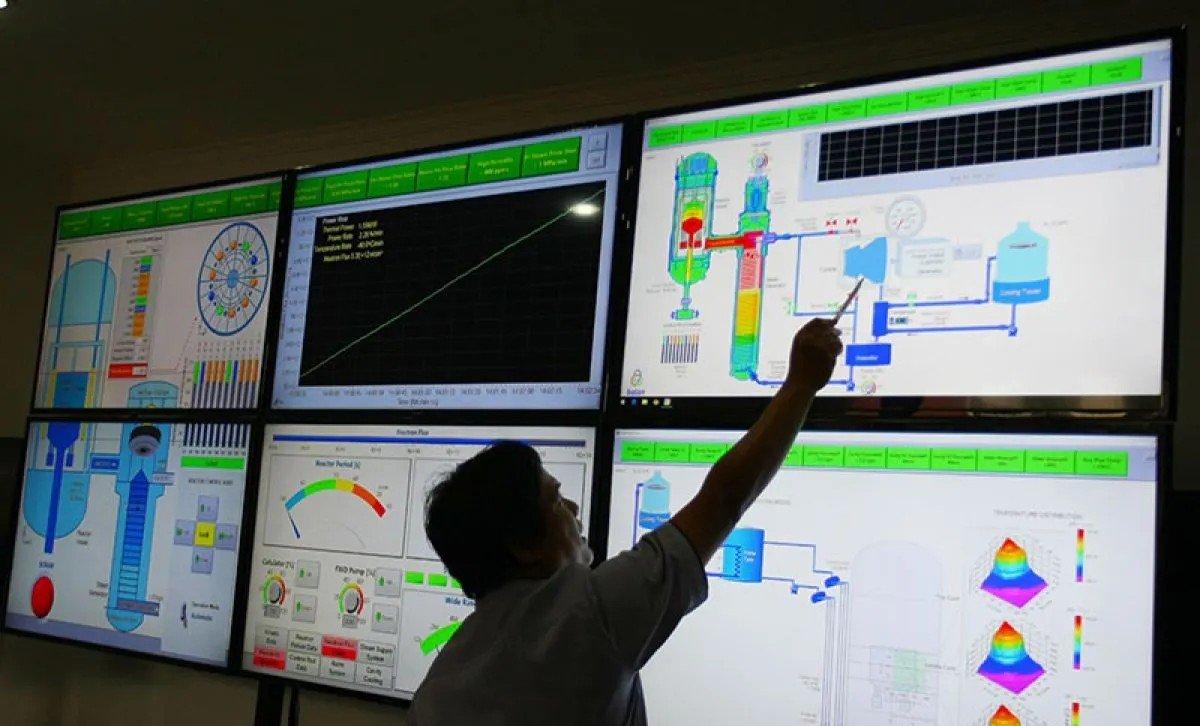
The government plans to prioritize small modular reactor (SMR) technology, which offers greater flexibility and efficiency for archipelagic nations like Indonesia.
“SMR technology is well suited for our industrial hubs and supports the development of the growing blue economy across our islands,” Kusdiana said.
He also noted that interest in nuclear energy is increasing across Southeast Asia. The region’s five largest energy consumers—Indonesia, Malaysia, the Philippines, Thailand, and Vietnam—are currently exploring nuclear power options through the Nuclear Energy Cooperation Sub-sector Network (NEC-SSN) under the ASEAN framework.
Despite the opportunities, Kusdiana acknowledged that Indonesia faces several challenges, including high initial investment costs, political considerations, and public concerns regarding disaster risks.
To overcome these obstacles, the government is focusing on three key pillars: careful site selection, strengthening regulatory milestones, and expanding international cooperation.
“Achieving our nuclear ambitions requires consistent implementation and broad public support. This is not only about technology; it is also about building trust and ensuring long-term national resilience,” Kusdiana emphasized.