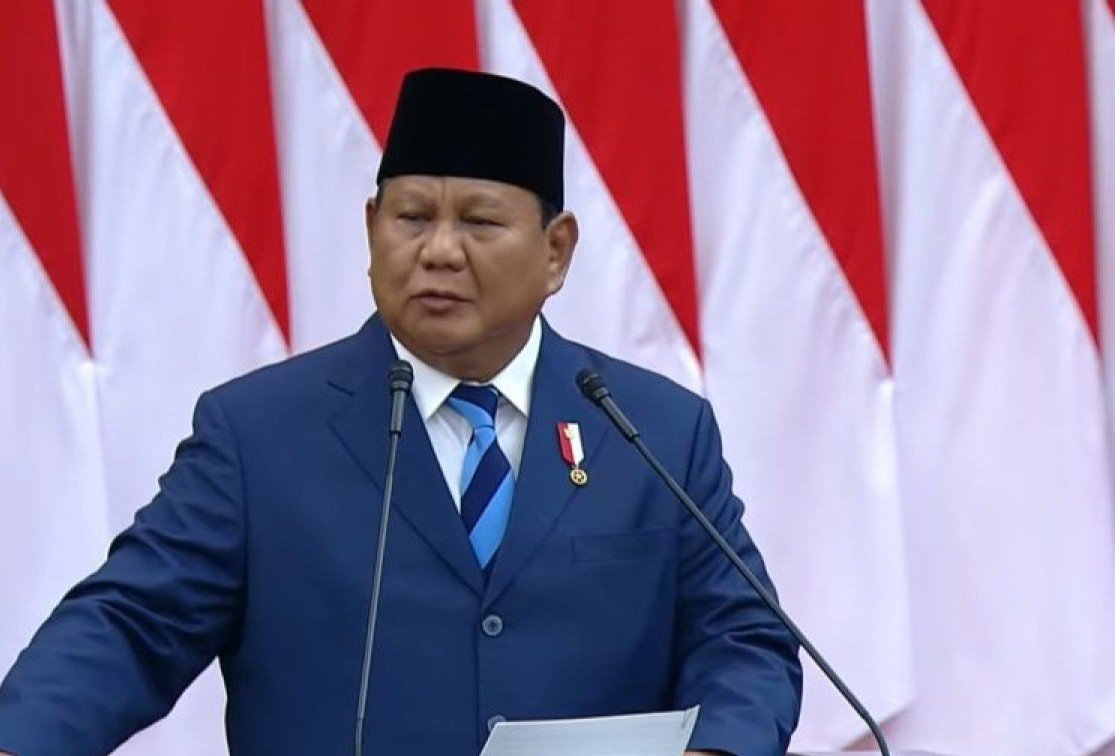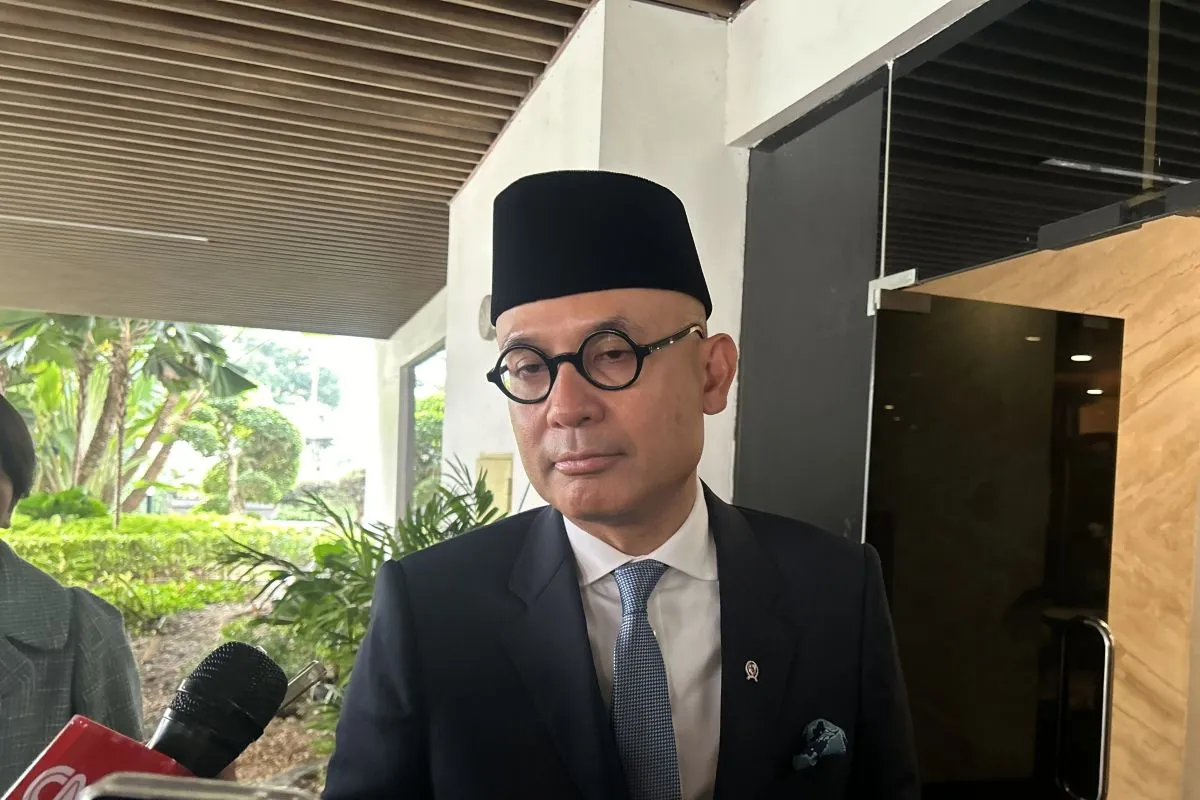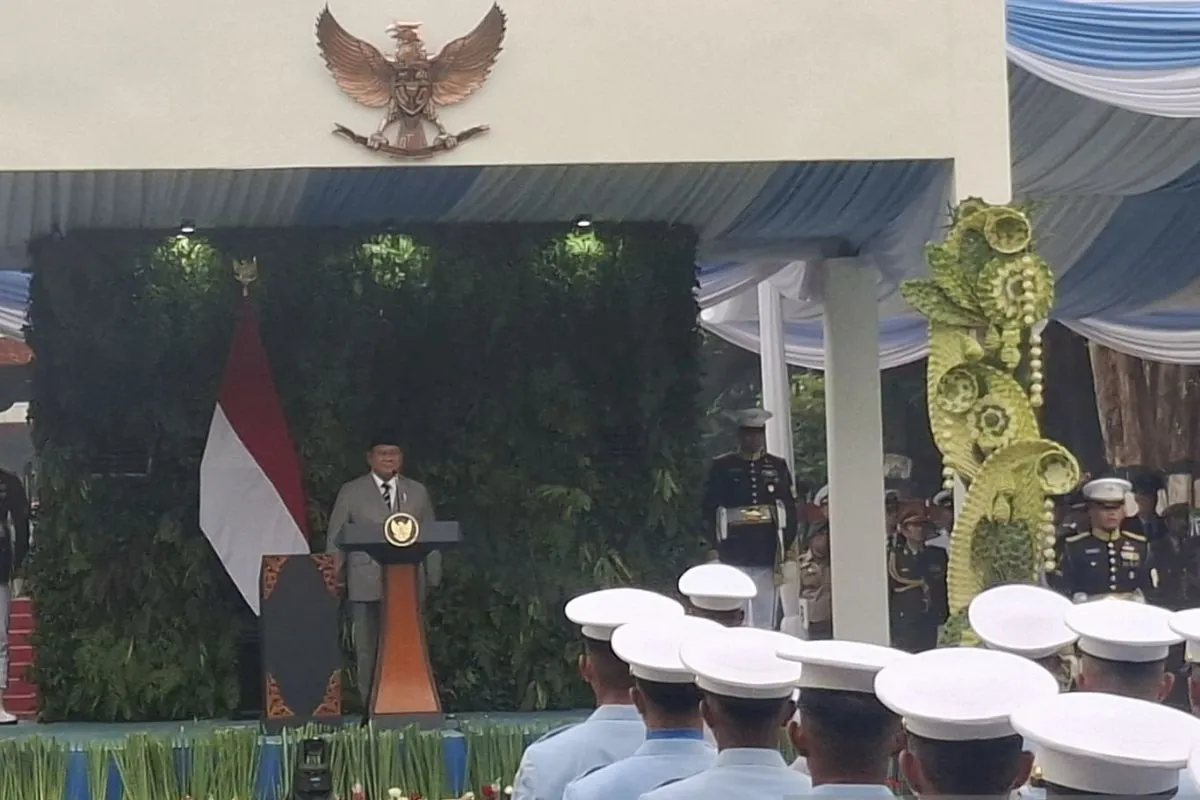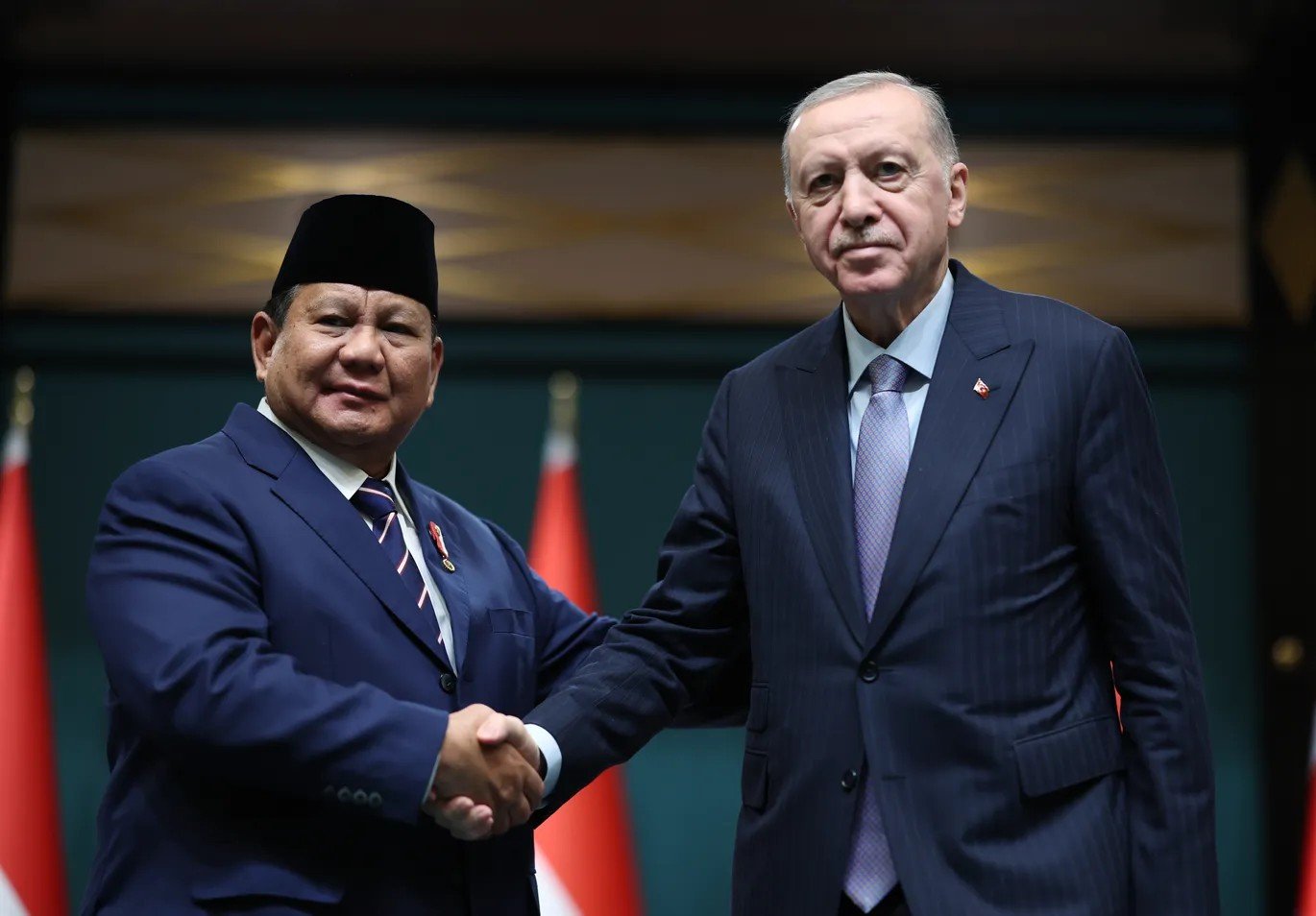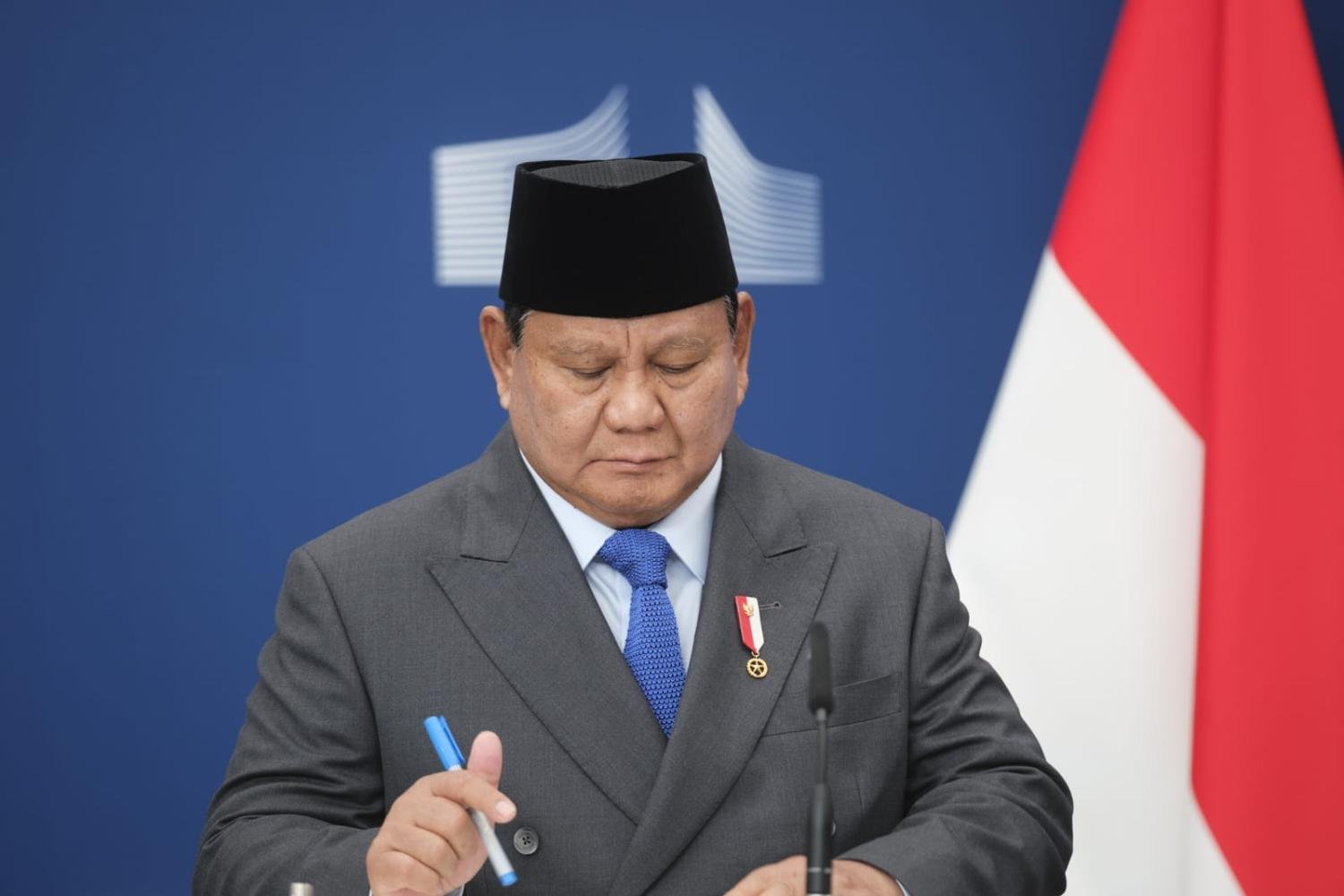
Jakarta, May 4, 2026 – The Europe Today: President Prabowo Subianto has officially signed a Presidential Regulation establishing the National Action Plan for the Prevention and Countermeasures of Violent Extremism Leading to Terrorism (RAN PE). The move underscores Indonesia’s commitment to strengthening its strategic framework against evolving global security threats.
The regulation, signed on February 9, 2026, and released to the public this month, mandates a comprehensive approach to counterterrorism by addressing both the symptoms and the root causes of radicalization.
Strategic Framework and Implementation
The RAN PE serves as the primary national policy for preventing and countering extremism. Key operational highlights include:
- Regional Mandate: Regional governments are now required to develop Regional Action Plans (RAD PE) within one year of the regulation’s issuance.
- Joint Secretariat: A dedicated secretariat will be established to synchronize implementation across ministries, agencies, and local governments.
- Core Responsibilities: The secretariat is tasked with policy formulation, coordination, monitoring, and evaluating the progress of the national plan.
Multi-Dimensional Focus Areas
The action plan is structured around diverse themes to ensure societal resilience, including:
- Resilience & Protection: Focus on community and family resilience, alongside the empowerment of women, youth, and children.
- Education & Economy: Emphasis on education, community skills, and employment facilitation.
- Justice & Human Rights: Priorities include good governance, witness protection, and the fulfillment of victims’ rights.
- Communication: Strategic oversight of media and electronic systems to counter the online dissemination of extremist ideologies.
Addressing Root Causes
The Presidential Regulation was issued in response to the increasingly conducive environment for extremism, fueled by both offline and online propaganda. The government has identified several structural and social triggers that the RAN PE aims to mitigate:
- Social & Religious Factors: High potential for communal conflicts driven by primordial ties, religious sentiments, and intolerance.
- Socio-Economic Disparity: Addressing economic inequality and perceptions of unfair treatment.
- Political Context: Managing differing political views and ensuring justice.
By focusing on these “driving factors” and the radicalization process itself, the Indonesian government aims to foster national preparedness and enhance international partnerships to secure the nation against the global threat of terrorism.