Helsinki, March 13, 2026 – The Europe Today: Finland’s Ministry of Education and Culture has proposed ending religious instruction in primary schools and replacing it with a single shared worldview subject for all pupils, citing equality concerns and rising education costs as student numbers decline.
The proposal was put forward by a working group appointed by the ministry as part of a wider review of how Finland’s school system should adapt to demographic change and falling birth rates. The group submitted its final report to Education Minister Anders Adlercreutz, who will pass the issue to the next government for possible legislative action.
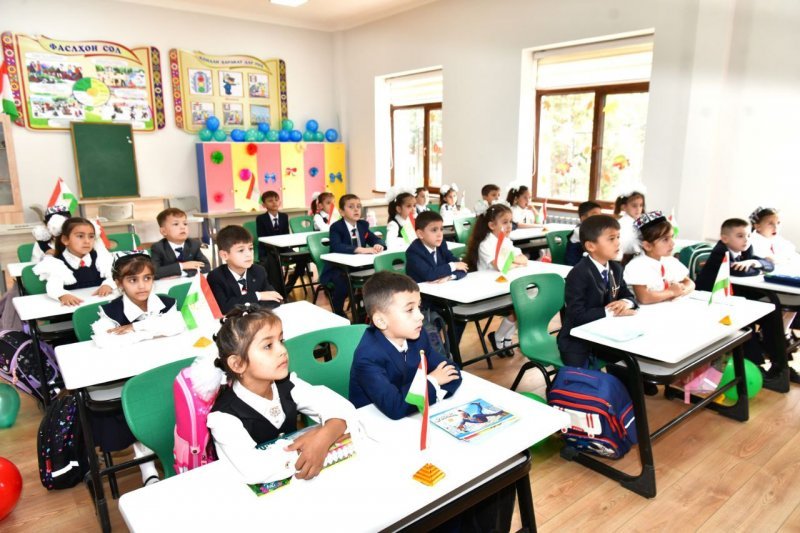
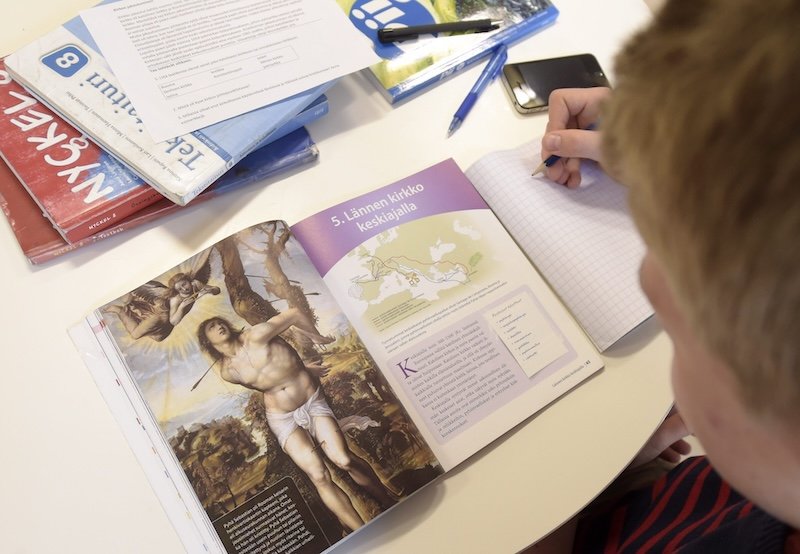
Under the current system, pupils study either religion linked to their registered faith or a secular subject known as ethics. Schools must organize teaching for a particular religion if at least three pupils belong to that faith community. In larger cities, this requirement has created complex timetables, with some schools offering instruction in more than a dozen religions.
The ministry’s working group said the model increasingly strains resources as Finland’s population changes and the number of pupils declines. The proposed single worldview subject would replace the current structure of multiple religion courses and ethics classes and would examine religions, belief systems and ethical questions through one shared curriculum.
According to the report, the reform would promote equality among pupils and help contain rising education costs. More than 500,000 pupils studied religion or ethics in Finnish comprehensive schools in 2024, with most attending Evangelical Lutheran religion classes, followed by ethics, Islam and Orthodox Christianity.
Demographic trends are expected to place further pressure on the education system. The number of comprehensive school pupils is projected to fall by around 96,000 by the 2030s as birth rates have declined sharply in recent years. As a result, municipalities face smaller cohorts of children while costs per pupil continue to rise.
Public spending on basic education exceeded six billion euros last year, with municipalities covering roughly three quarters of the cost and the state funding the remainder. Annual spending per pupil now exceeds 10,000 euros and continues to increase.
The working group argued that declining pupil numbers should not automatically lead to cuts in education funding, noting that investment in basic education remains essential for Finland’s future success. The report also examined the growing number of pupils with migrant backgrounds, which has increased demand for teaching in minority religions.
Schools sometimes struggle to recruit qualified teachers for smaller subjects, and in some cases teaching takes place remotely or outside school buildings. The working group noted that remote learning could help address shortages of teachers in subjects such as minority languages or religions.
Finland had about 4,000 comprehensive schools at the start of the century, but today fewer than half remain. In around one fifth of municipalities only a single comprehensive school operates, limiting options for reorganising the school network.
The ministry’s report contains nine proposals covering funding, school transport, the use of remote teaching and cooperation between municipalities. Helsinki plans to introduce a common worldview course in its schools starting in August 2027.