Paris, May 4, 2026 – The Europe Today: The French Economy Ministry on Monday unveiled a new fact-checking initiative, Bercy Decodes, aimed at tackling what officials describe as an “exponential rise” in misinformation related to economic issues, particularly on social media platforms.
According to local media, including Le Parisien, the program will focus on addressing viral rumors concerning taxation, purchasing power, and public spending by providing verified, publicly sourced information through educational content.
The ministry said the initiative will combine written analyses with short-form videos distributed عبر official channels on platforms such as Facebook, Instagram, X, LinkedIn, as well as a recently launched account on TikTok.
“We have observed in recent months an exponential increase in disinformation on economic subjects, but also in half-truths,” a ministry source said on condition of anonymity, noting that some misleading claims are based on real data that is “twisted and ends up being erroneous.”
Officials cited recent online rumors, including false claims about tax obligations on personal gifts and exaggerated projections regarding the cost of France’s multi-year energy planning.
The ministry added that its TikTok presence, launched in April, is part of efforts to reach younger audiences and counter misleading content where it spreads most rapidly. Authorities estimate that roughly one-third of economic and fiscal content on the platform contains inaccuracies.
The initiative aims to “protect public trust” and foster a more informed public debate, particularly as France approaches a presidential election period.
“We cannot allow falsehoods to spread,” the source added. “We deal with everyday issues affecting the public, such as banking, energy, purchasing power and taxation. We cannot lose the bond of trust with our citizens. It’s a matter of democracy.”
The move reflects a broader national trend toward institutional fact-checking. Previous efforts include Canal Detox launched by the French National Institute of Health and Medical Research, and the establishment of Viginum, tasked with combating foreign online interference.
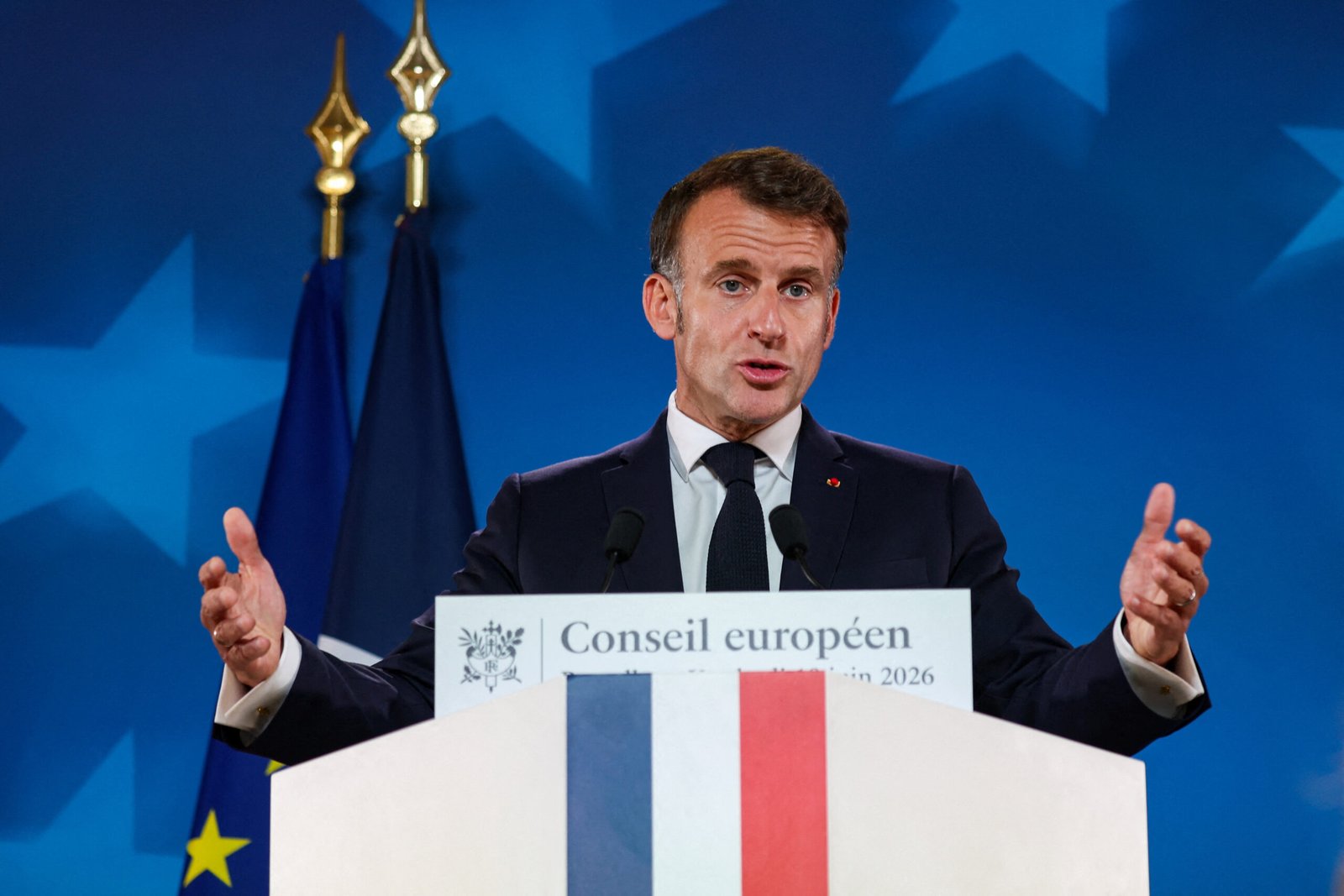
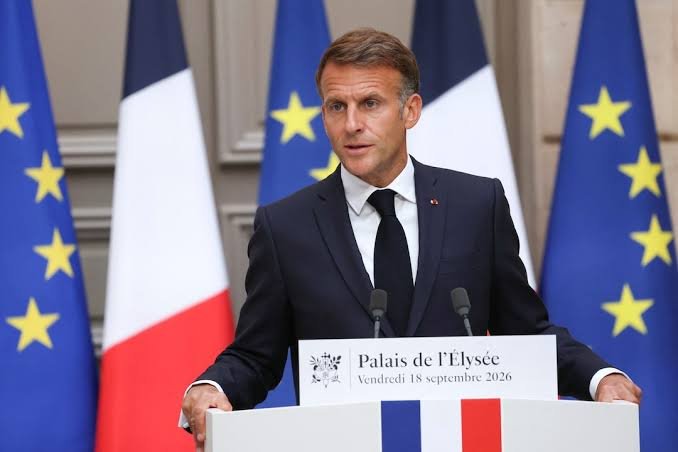
President Emmanuel Macron has also previously proposed measures to curb online misinformation, including expedited legal procedures for removing harmful content and the introduction of a media accreditation system to distinguish reliable outlets from those primarily driven by advertising revenue.