Bogota, August 11, 2026 – The Europe Today: A powerful 7.4-magnitude earthquake struck western Colombia on Monday, killing at least 111 people and injuring 87, while collapsing buildings, damaging hospitals and infrastructure, and trapping people beneath rubble, according to Colombian authorities and Reuters.
The U.S. Geological Survey said the earthquake struck at a depth of approximately 107 kilometres (66 miles). Colombia’s geological service described it as the strongest earthquake recorded in the country during the 21st century.
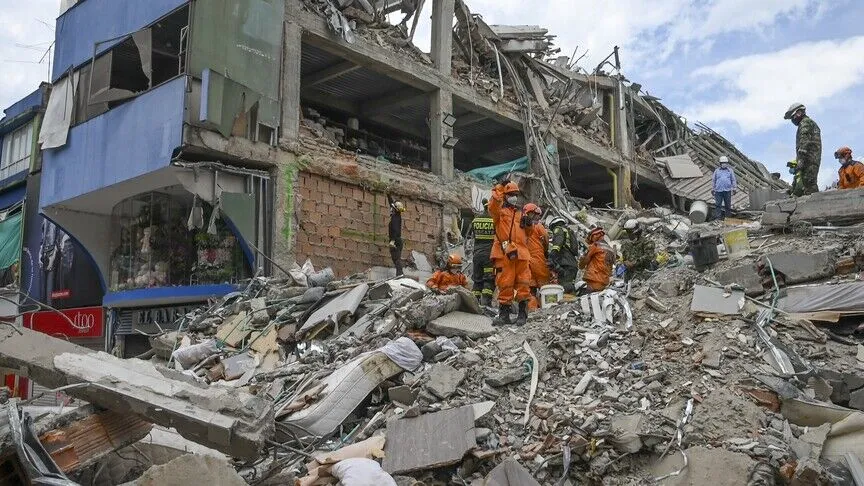
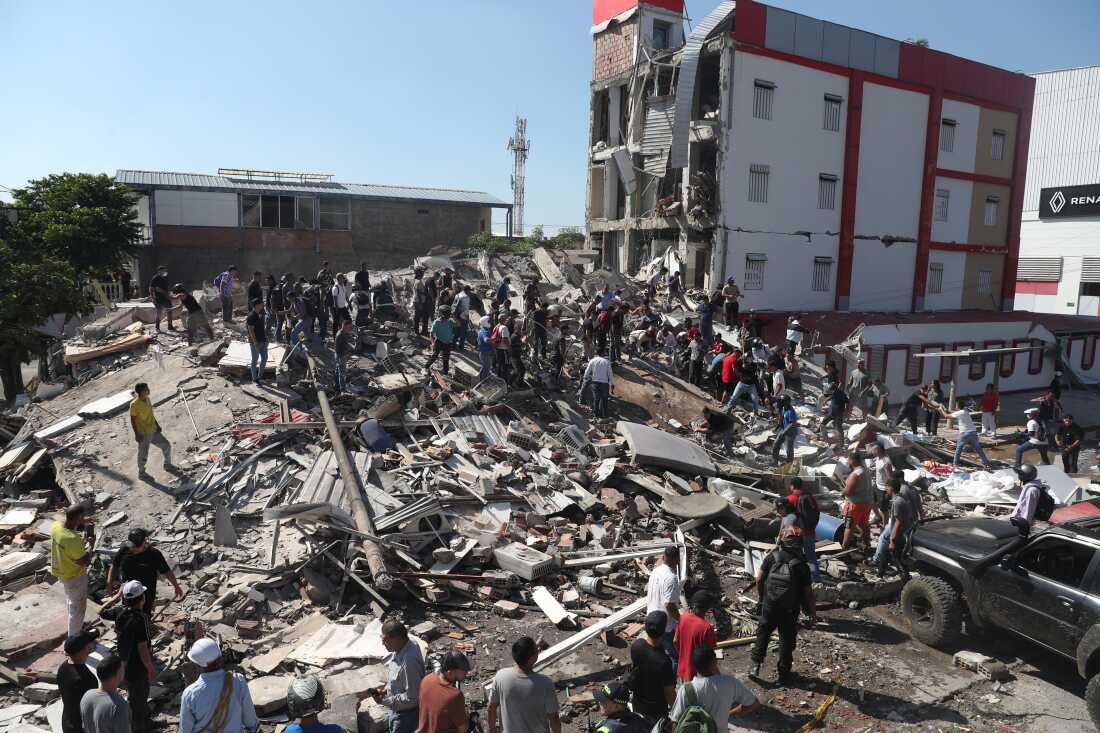
The worst damage was reported in the country’s coffee-growing region, particularly Risaralda, where the city of Pereira suffered extensive destruction. Buildings collapsed in several locations, while rescue teams continued searching for survivors trapped beneath debris.
In the largely rural department of Choco, authorities reported 12 deaths and 84 injuries. Communications outages hampered efforts to assess the full extent of the damage near the earthquake’s epicentre.
Colombian President Abelardo De La Espriella, who was sworn into office only days earlier, declared a national state of emergency and said the government’s immediate priority was rescuing people trapped under collapsed structures.
Rescue workers, police officers and local residents formed human chains to remove debris and search for survivors. Emergency teams reported rescuing people alive from collapsed buildings, while heavy machinery was being deployed to accelerate rescue operations.
The earthquake also disrupted air travel, with authorities suspending operations at airports in Pereira, Manizales, Quibdo, Armenia, Cartago and Buenaventura to allow engineers to conduct structural inspections.
The Colombian Geological Service reported 21 aftershocks by late Monday and warned that additional tremors were likely. Colombia lies along the seismically active Pacific Ring of Fire, making it vulnerable to frequent earthquakes.
The latest disaster has revived memories of the devastating 1999 earthquake that struck Colombia’s coffee-growing region, killing more than 1,000 people, particularly around Armenia and Pereira.
Authorities continued emergency operations late Monday as rescue teams assessed damaged buildings and infrastructure and searched for people who may remain trapped beneath the rubble.