Bali, August 28, 2026 – The Europe Today: Indonesia’s Directorate General of Immigration is advancing the use of artificial intelligence (AI) and other digital technologies to strengthen the monitoring and oversight of foreign nationals across the country.
Immigration Director General Hendarsam Marantoko said technology would increasingly form the backbone of immigration services, with digital systems expected to account for around 70 percent of the sector’s operations in the future.
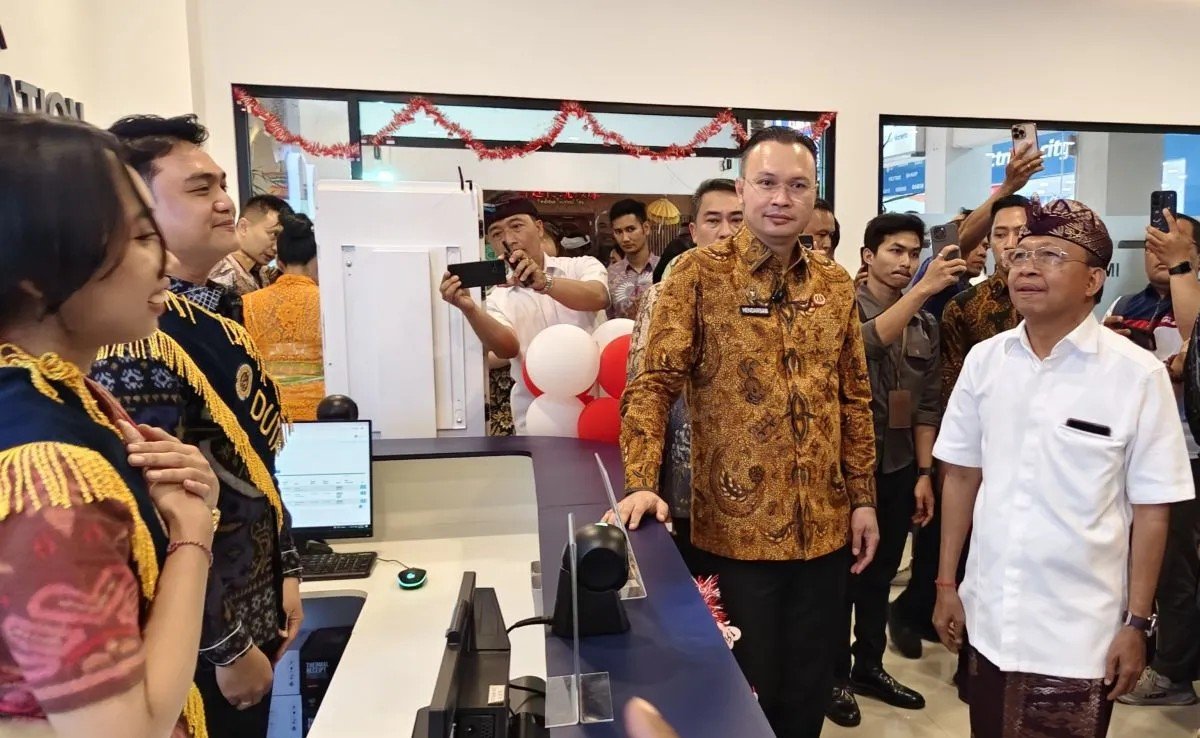
Speaking at the inauguration of an Immigration Lounge at the Discovery Kuta shopping centre in Badung, Bali, on Thursday, Marantoko said drones would also be deployed to monitor border areas, particularly locations that are difficult to access through conventional means.
He explained that the initiative, known as the “digital fence” programme, would use drones in selected areas, including back roads, to monitor the movement of people entering and leaving the country.
Indonesia shares approximately 3,111 kilometres of land borders with neighbouring countries, making the use of advanced surveillance technologies an important component of efforts to strengthen immigration oversight.
The Directorate General of Immigration is also using facial recognition technology at I Gusti Ngurah Rai International Airport in Bali to record and identify foreign nationals arriving in the country.
Marantoko said the immigration authorities had developed a technology architecture extending to 2045 and would soon establish a working group to further discuss and develop the long-term framework.
At the same time, immigration authorities are seeking to make their services more accessible by adapting them to the characteristics of individual regions.
In Bali, a major international tourism destination, immigration services have been expanded to locations with large concentrations of foreign visitors, including shopping centres in the Kuta area.
Since its inauguration in July 2026, the non-technical immigration service unit at the Discovery Kuta shopping centre has served an average of 100 to 120 foreign nationals seeking residence permits each day.
The initiative forms part of Indonesia’s broader efforts to modernise immigration services through digitalisation while strengthening oversight of foreign nationals and improving the accessibility and efficiency of public services.