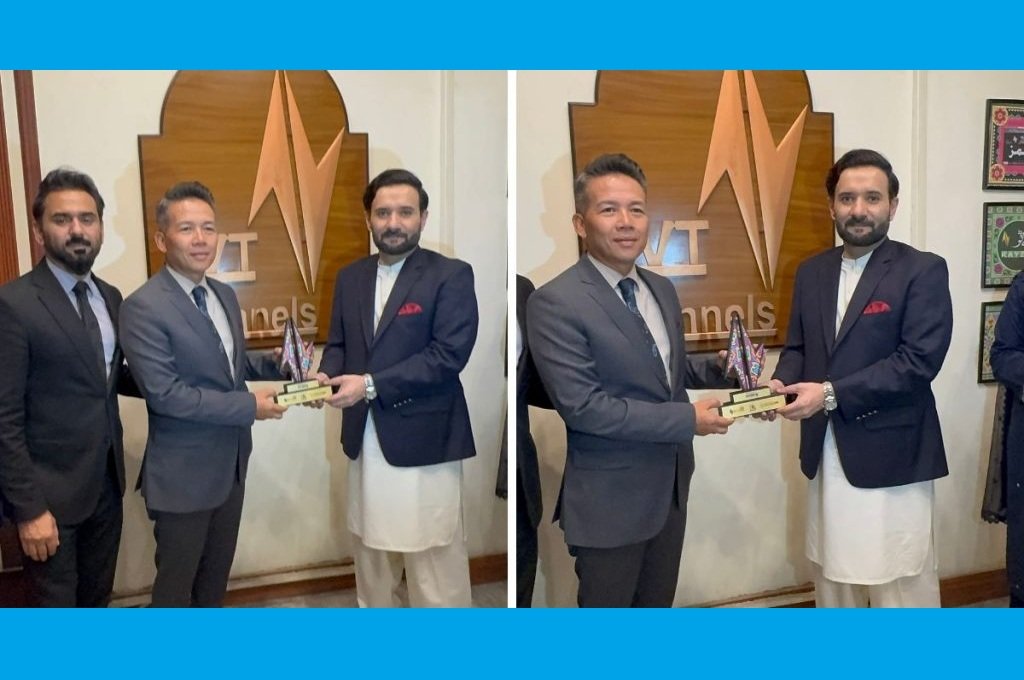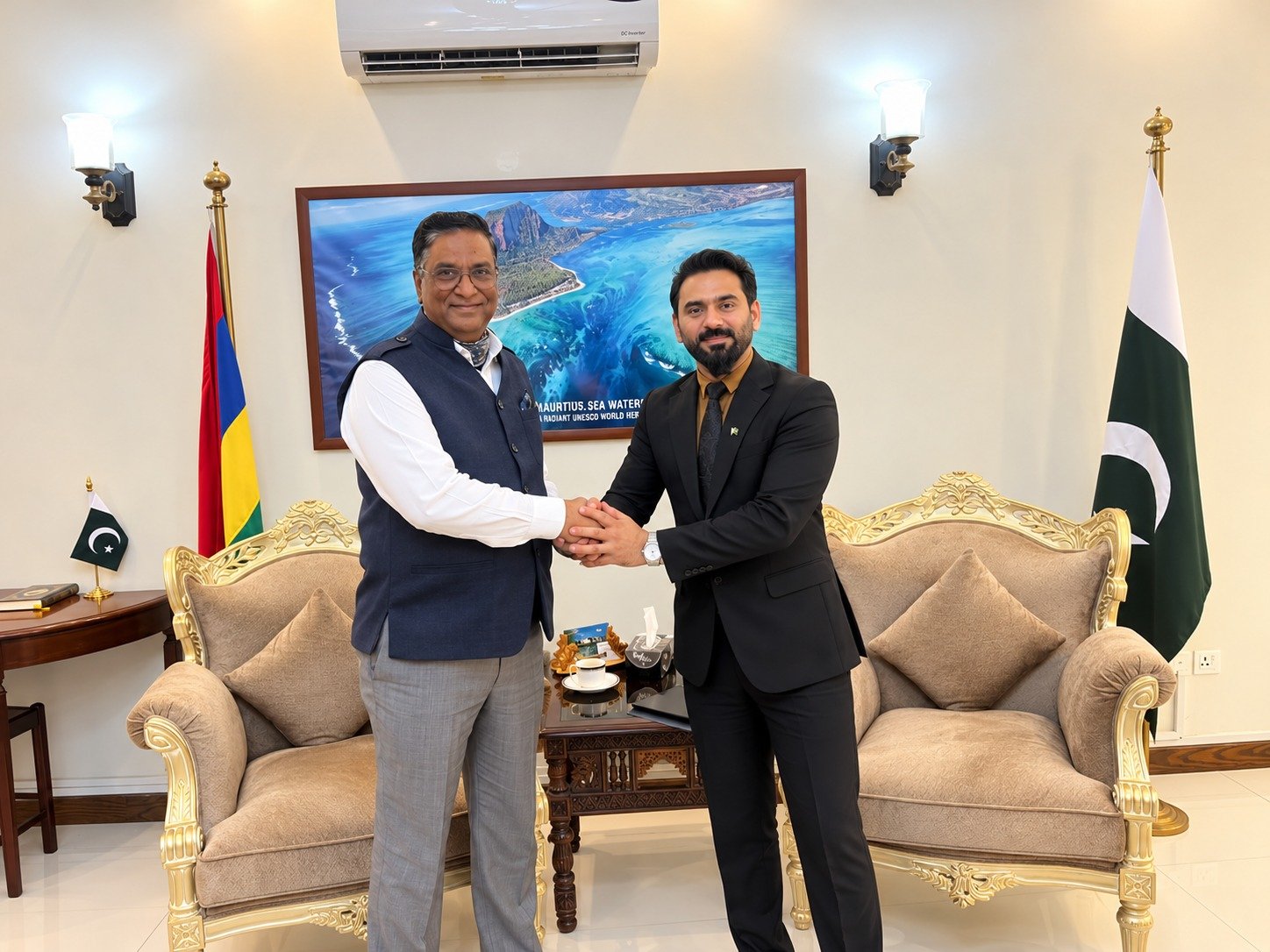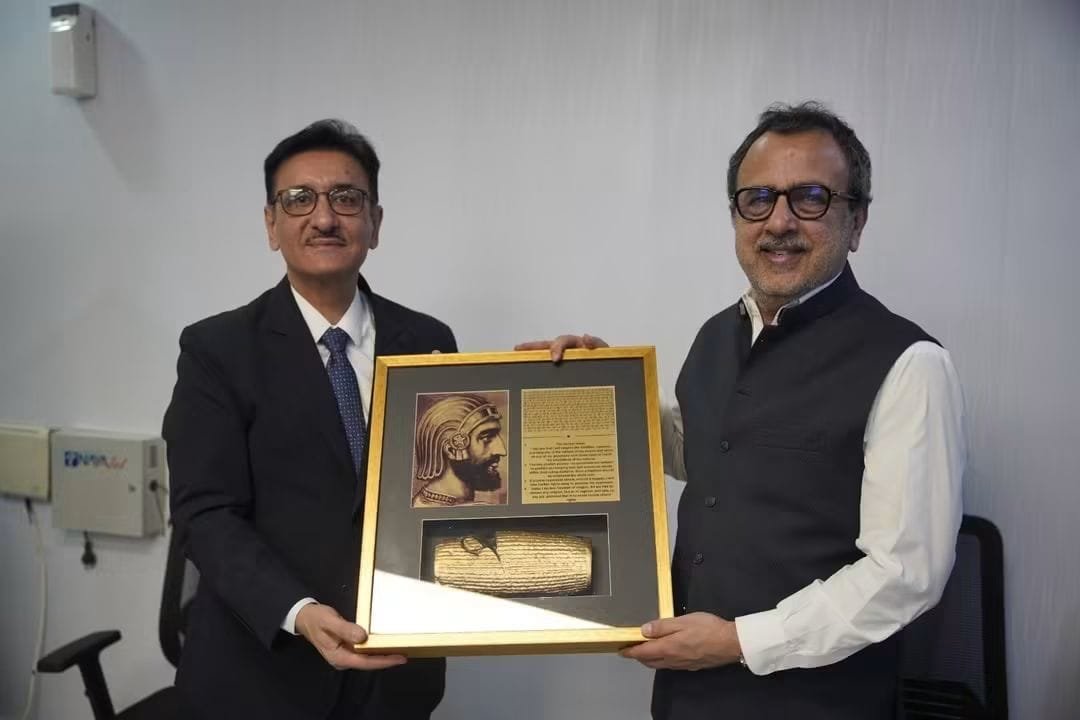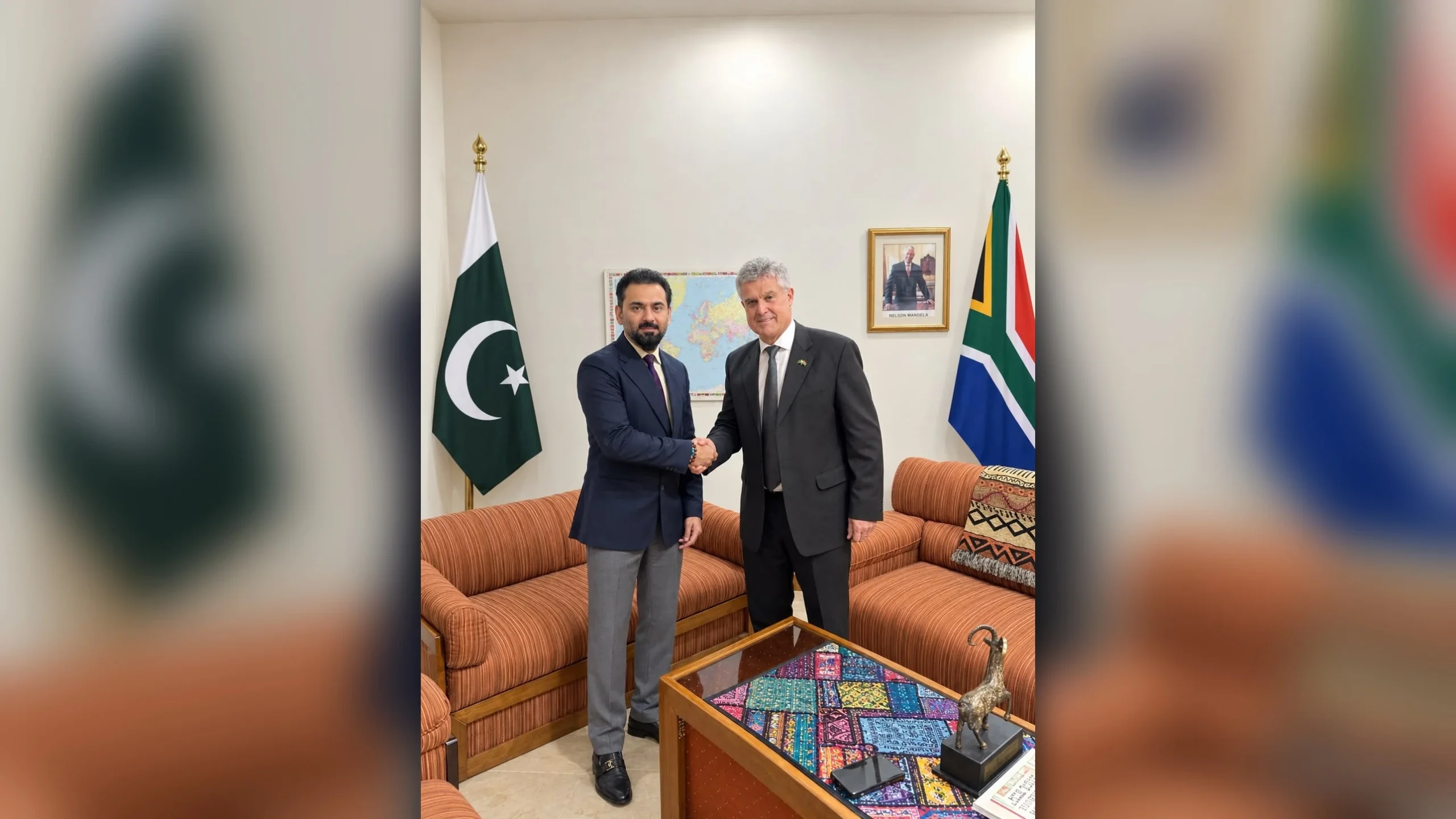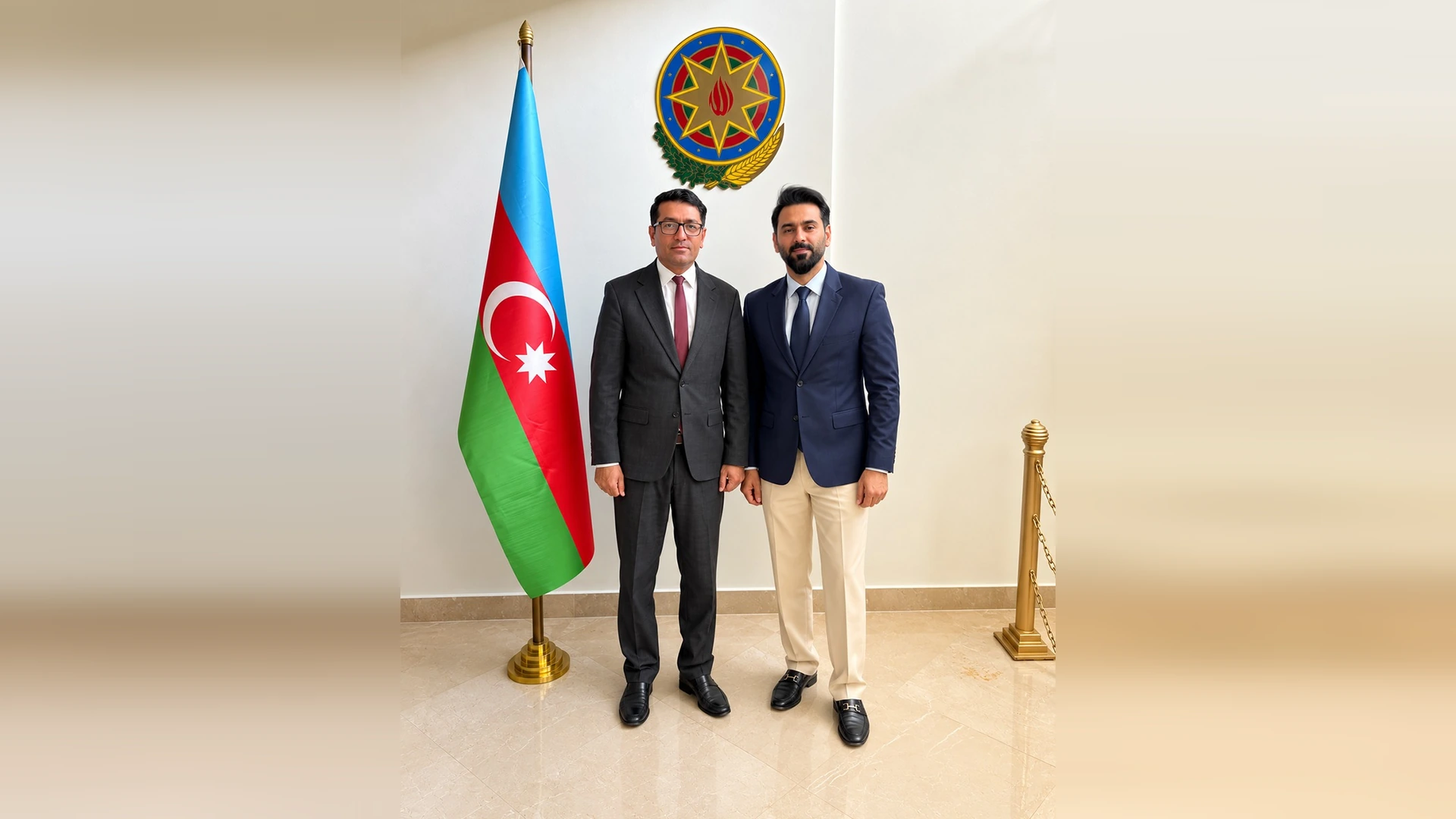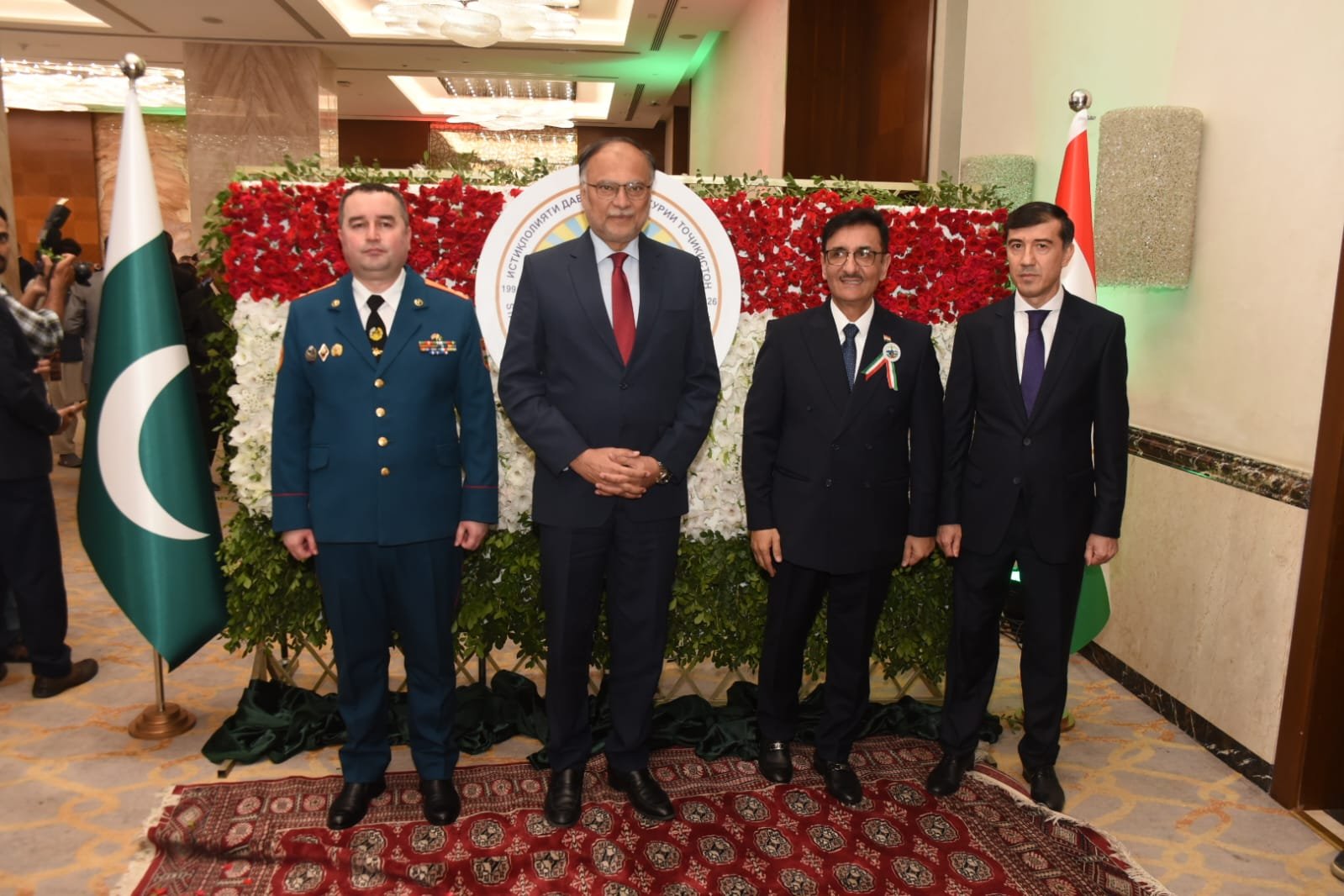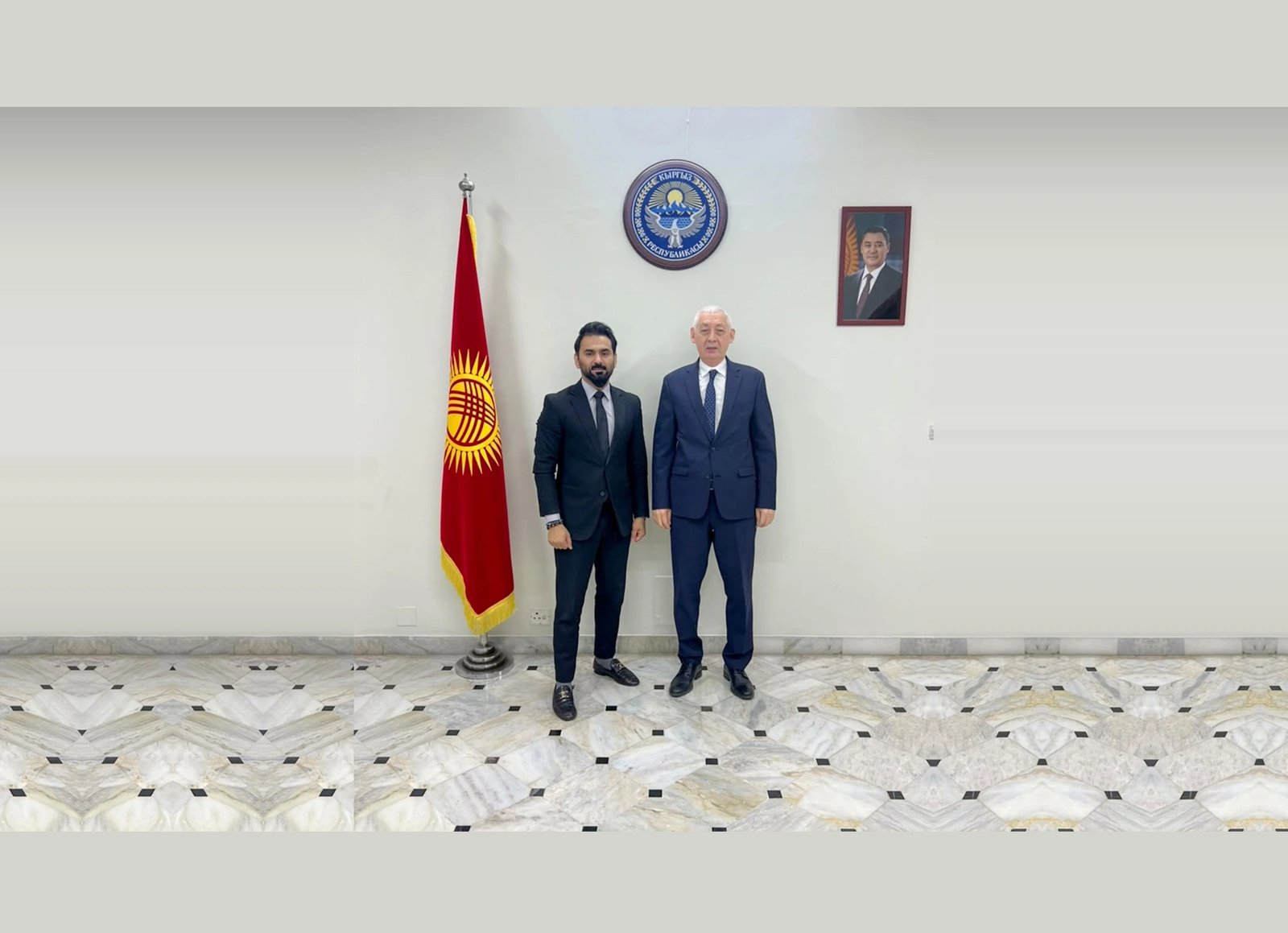
Islamabad, October 16, 2026 – The Europe Today: Syed Usman Tahir, Founder of the Pakistan Creative Economy Cultural & Trade Council (PCECTC), met Mr. Aibek Tilebaliev, Chargé d’Affaires and Minister Counsellor at the Embassy of the Kyrgyz Republic in Islamabad, to discuss ways of strengthening bilateral relations between Pakistan and the Kyrgyz Republic through cultural exchange, creative economy development and institutional cooperation.
The meeting explored avenues for closer collaboration between the two countries, particularly in fashion, textiles, traditional arts and crafts, cultural heritage, creative entrepreneurship and trade. Both sides discussed initiatives that could promote mutual understanding, encourage knowledge exchange and create new opportunities for creative professionals, businesses and young entrepreneurs.
Underlining the importance of cultural diplomacy and the creative economy, Syed Usman Tahir highlighted the role of collaborative platforms in connecting institutions, industry stakeholders, designers, artisans and entrepreneurs from both countries. He expressed keen interest in developing practical initiatives that would showcase the cultural richness of Pakistan and Kyrgyzstan while supporting sustainable economic and creative partnerships.
The proposed areas of cooperation include joint cultural exhibitions, fashion and textile showcases, creative industry delegations, business networking opportunities, educational exchanges and collaborative programmes to promote traditional craftsmanship and contemporary design.
The PCECTC aims to facilitate meaningful engagement between Pakistani and Kyrgyz stakeholders by building bridges between culture, commerce and innovation. Such initiatives, it said, can help strengthen people-to-people contacts while opening new avenues for bilateral trade and investment in the creative sectors.
The meeting reflected a shared interest in deeper engagement between Pakistan and the Kyrgyz Republic. Through continued dialogue and institutional collaboration, the two countries have the potential to build sustainable partnerships that celebrate their cultural heritage and support the growth of their creative economies.