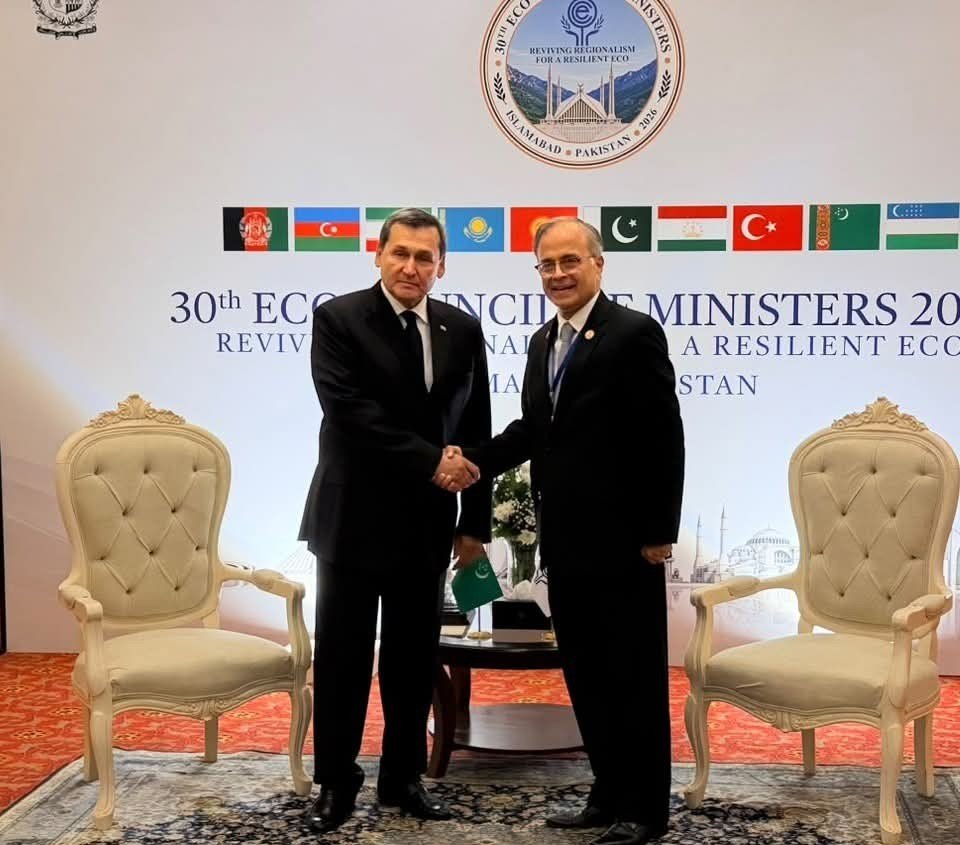
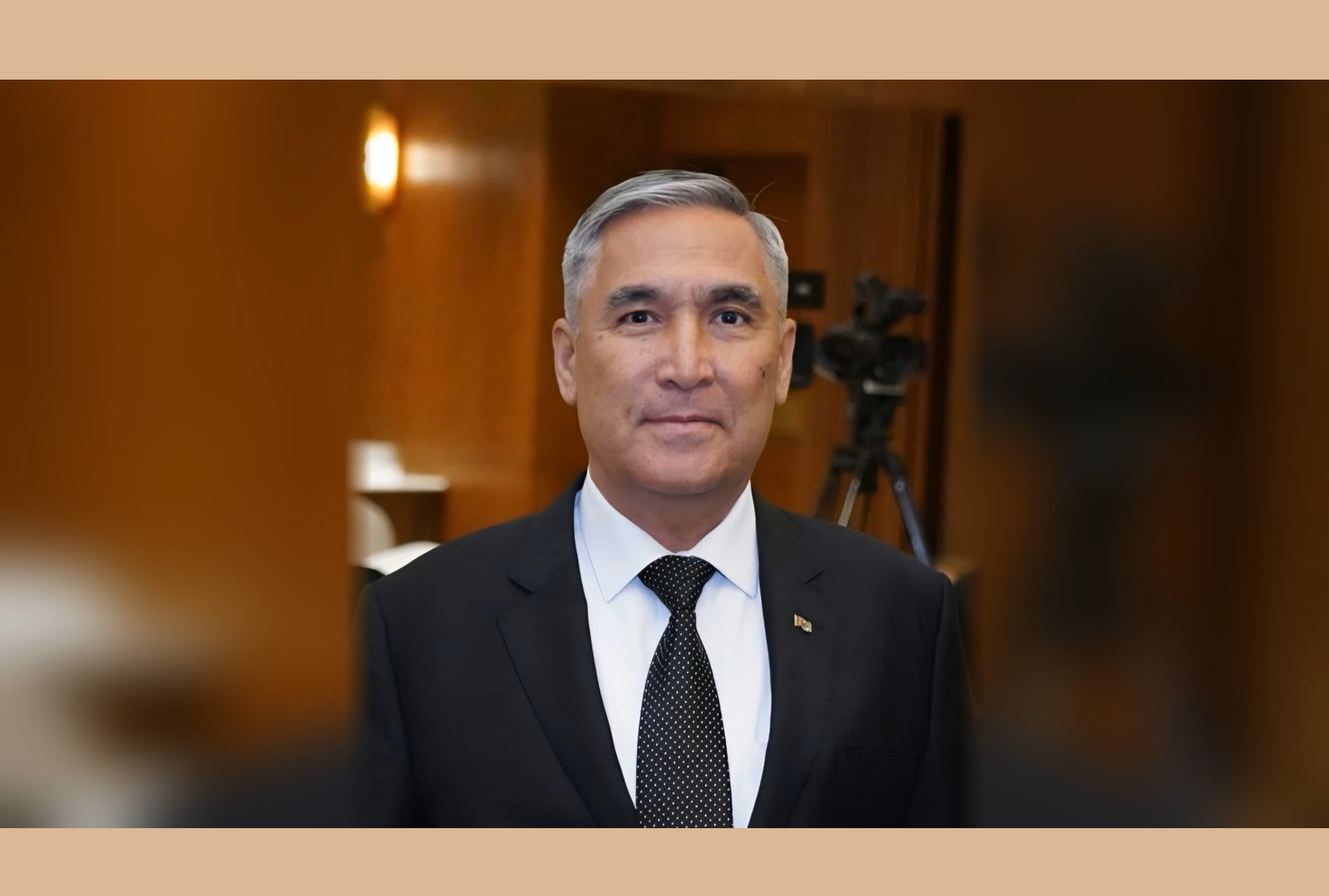
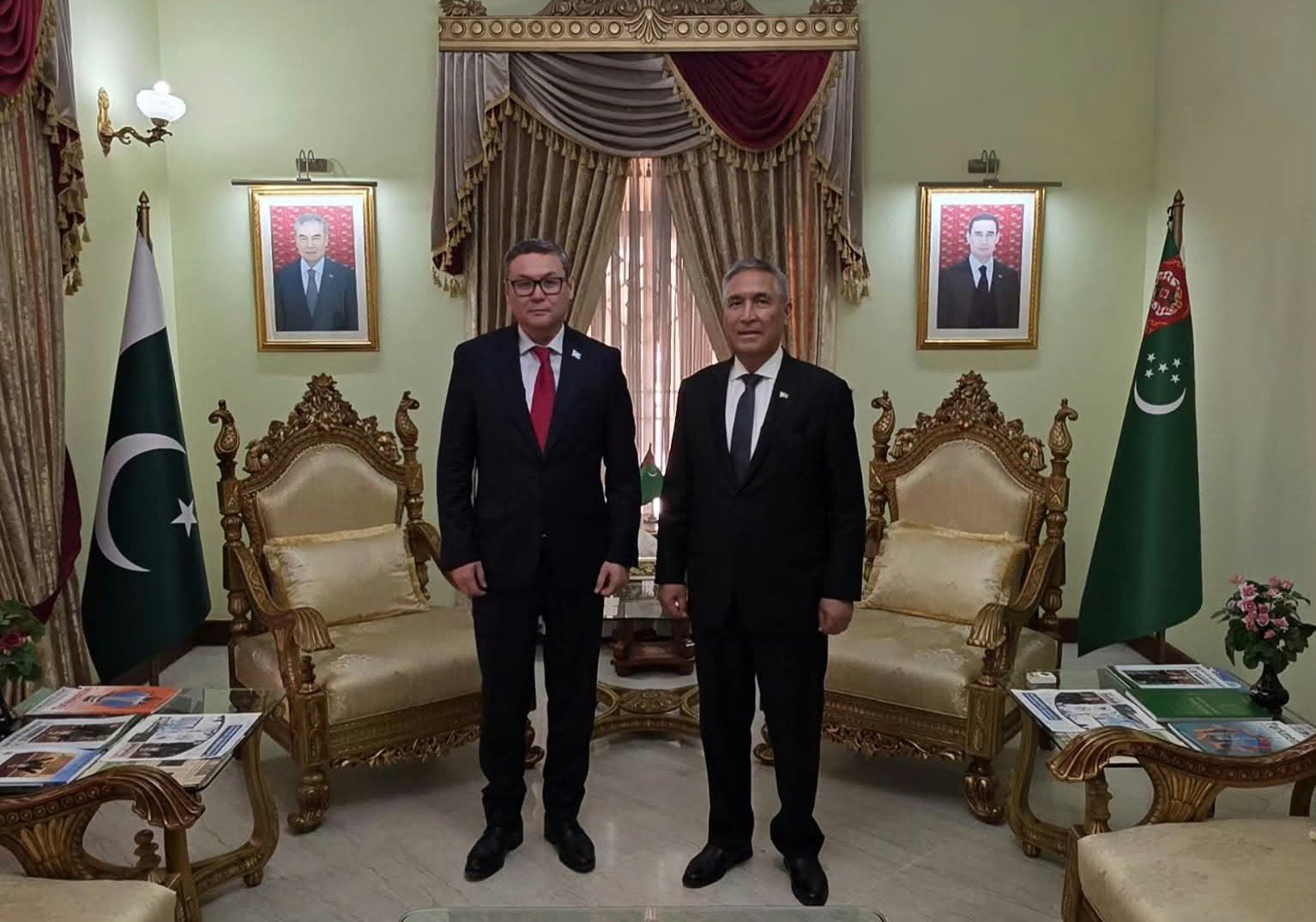
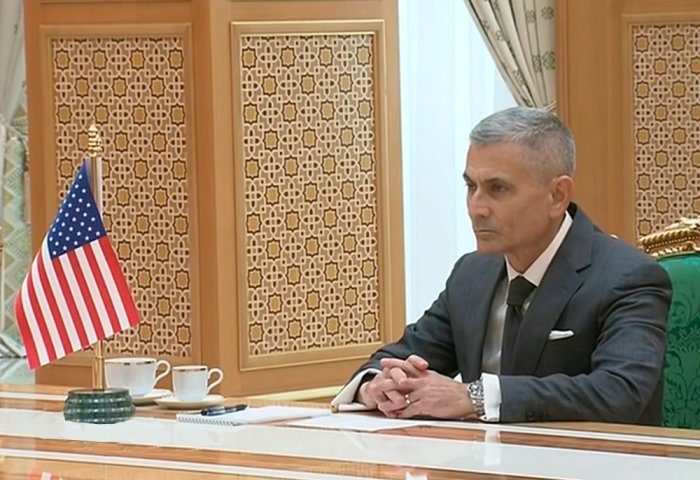
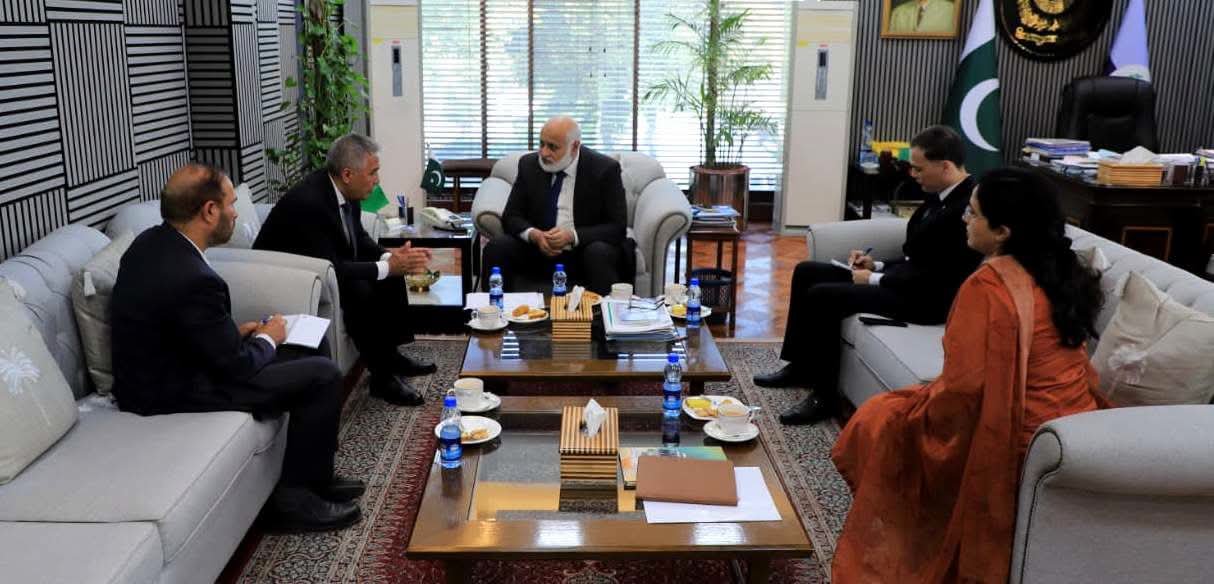
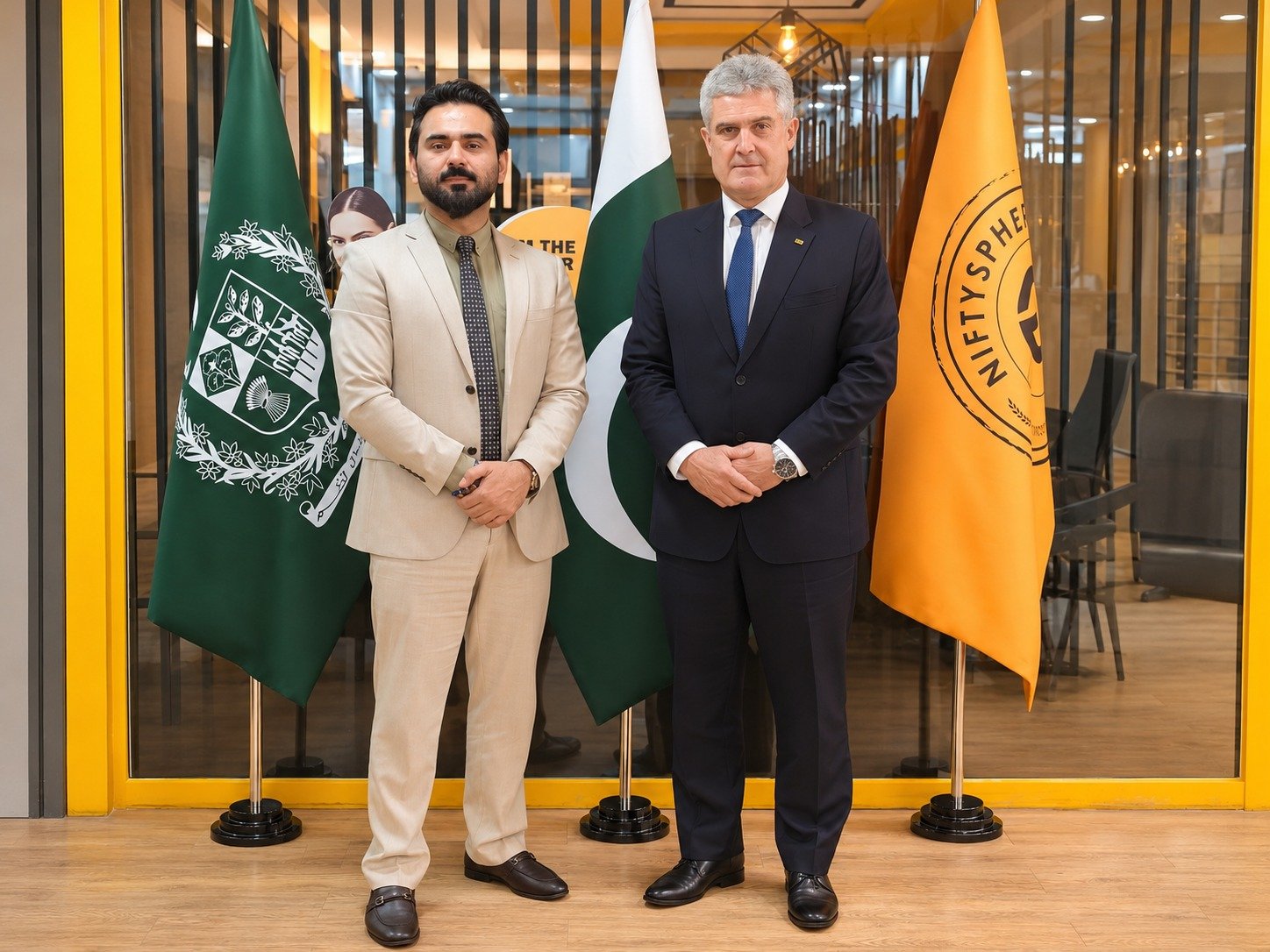
Islamabad, The Europe Today: Turkmenistan took a prominent role at the ECO Foreign Ministers Meeting in Islamabad on 16 November 2026. It set out an ambitious agenda covering trade, transport, energy and tourism that could change how the Economic Cooperation Organization (ECO) region connects and grows. Deputy Chairman of the Cabinet of Ministers and Minister of Foreign Affairs Rashid Meredov led the Turkmen delegation to the 13th Meeting of the ECO Council of Ministers of Foreign Affairs, hosted by the Islamic Republic of Pakistan.
In his address, Meredov said the ECO remains a practical instrument for promoting development. He then presented a set of proposals aimed at turning regional cooperation into concrete results.
A Roadmap to 2035
At the centre of Turkmenistan’s message was its support for the draft Strategic Objectives of ECO Economic Cooperation until 2035. Ashgabat called for these objectives to be aligned with the Avaza Programme of Action for Landlocked Developing Countries for 2024–2034, a framework that matters to the many landlocked economies in the ECO family.
The Turkmen side also proposed that the meeting’s final communiqué reaffirm the importance of the 2021 Ashgabat Consensus on Action. This would keep earlier commitments at the heart of the organization’s future direction.
Trade: Joint Trade Zones Gain Momentum
On trade, Turkmenistan called for the ECO Trade Agreement to be updated on a flexible, gradual and inclusive basis, so that member states can move forward at a pace that suits their economies.
The delegation also highlighted the President of Turkmenistan’s initiative to establish joint trade zones. The proposal has already won the backing of the ECO Council of Permanent Representatives, which signals growing appetite across the bloc for practical tools to raise intra-regional trade.
Transport Corridors Linking Four Regions
Connectivity was another major theme at the ECO Foreign Ministers Meeting. Turkmenistan outlined the development of transport corridors connecting Central Asia with South Asia, the Middle East, the Caucasus and Europe, which would place the region at the crossroads of Eurasian trade routes.
In a notable announcement, it was confirmed that the next meeting of ECO Ministers of Transport will be held in Turkmenistan. This underlines the country’s growing role as a regional transit hub.
TAPI Pipeline and Electricity Exports in Focus
Energy cooperation drew strong attention. Turkmenistan stressed the strategic importance of the Turkmenistan–Afghanistan–Pakistan–India (TAPI) gas pipeline, a flagship project with major significance for Pakistan’s energy security and for the wider region.
The Turkmen side also confirmed it is ready to increase electricity exports. Turkmenistan underlined the need to involve Afghanistan in regional economic processes, arguing that inclusive integration is essential for lasting stability and prosperity.
Mary Named ECO Tourism Capital 2028
The meeting noted that the historic city of Mary has been designated the “ECO Tourism Capital” for 2028. Turkmenistan invited all ECO member states to take part in the events to be held in the city, which opens new possibilities for cultural exchange and tourism across the region.
Full Support for Pakistan’s Chairmanship
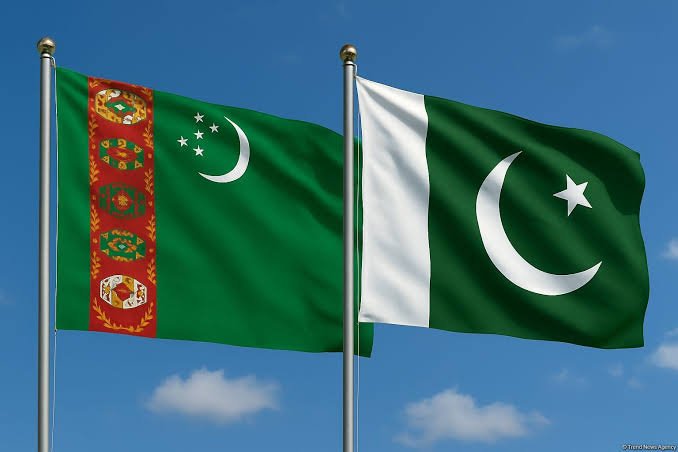
In conclusion, Turkmenistan reaffirmed its readiness to pursue constructive cooperation with ECO member states, the Secretariat and the organization’s institutions. The delegation wished success to Pakistan, which has assumed the chairmanship of the Organization, and expressed its full support for Islamabad’s leadership.
With proposals spanning a 2035 economic roadmap, joint trade zones, cross-continental corridors, the TAPI pipeline and a tourism capital for 2028, Turkmenistan has made clear that it intends to be a driving force in the ECO’s next chapter. Pakistan, now at the helm, has a strong partner in Ashgabat.