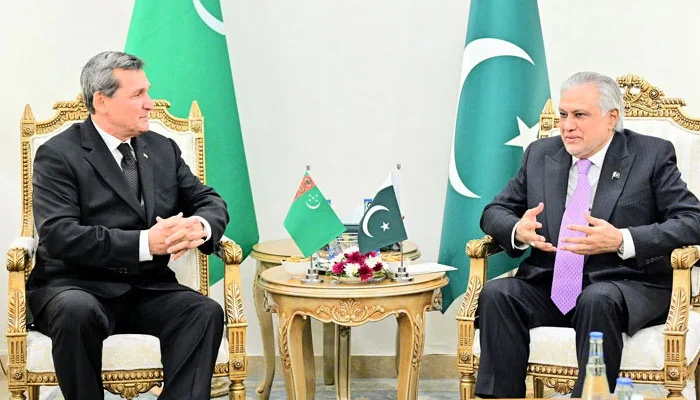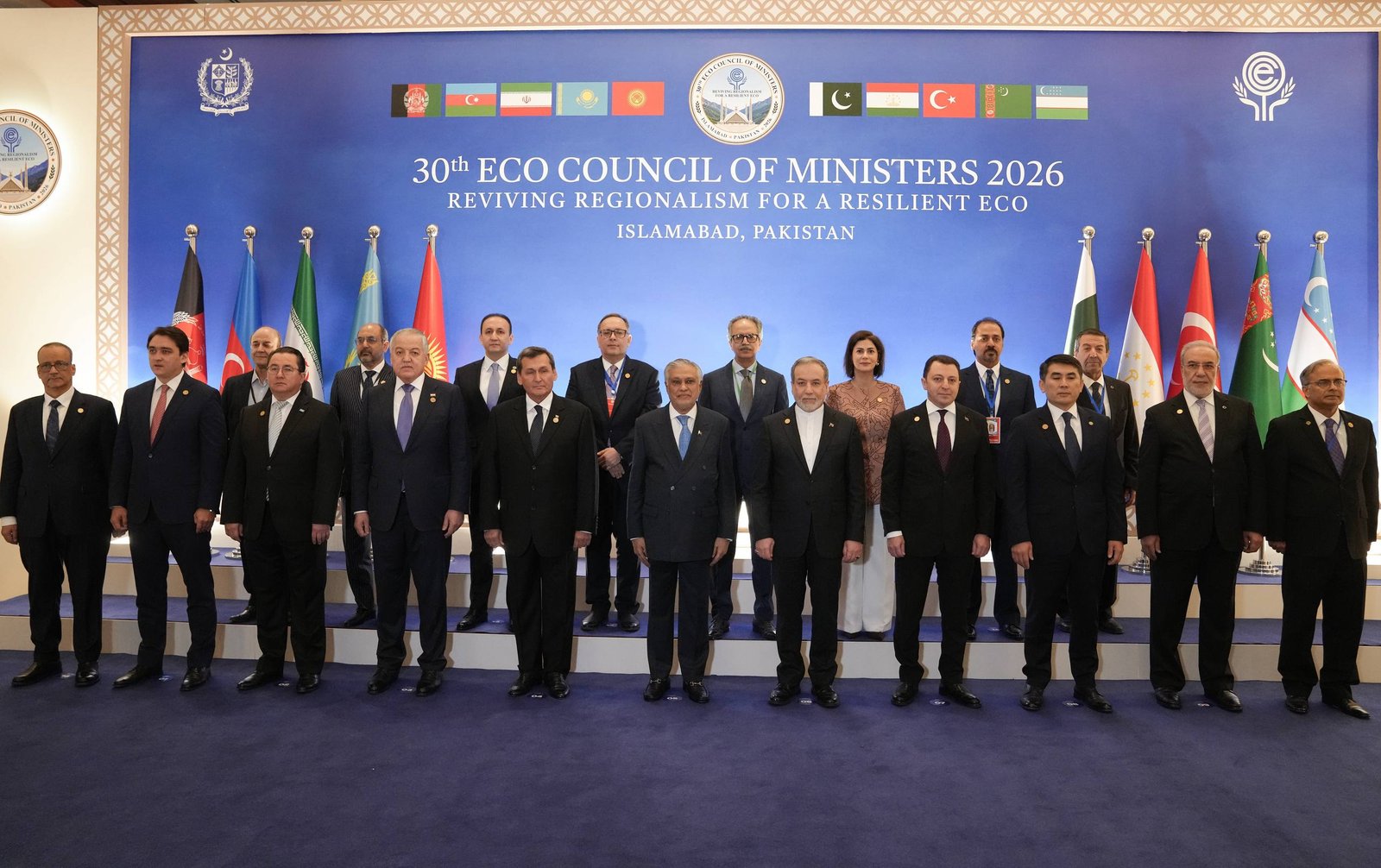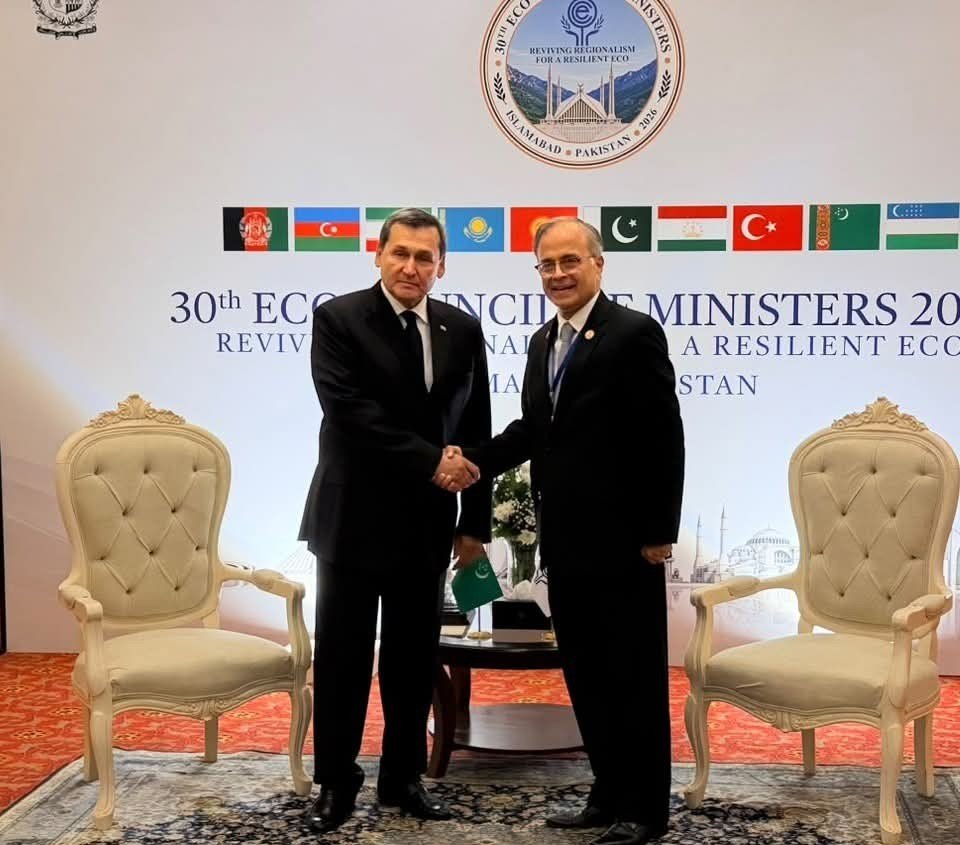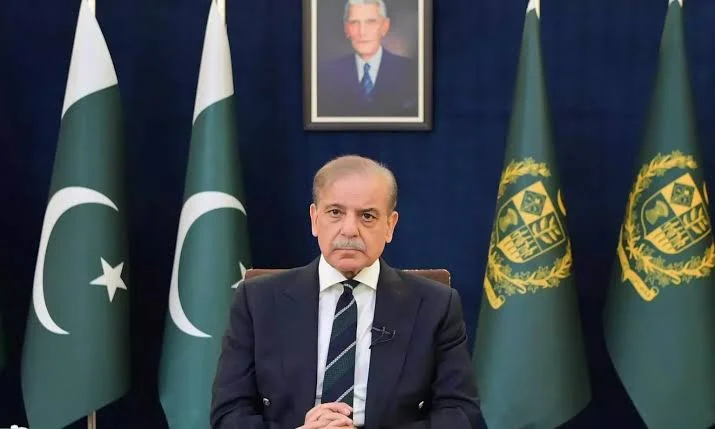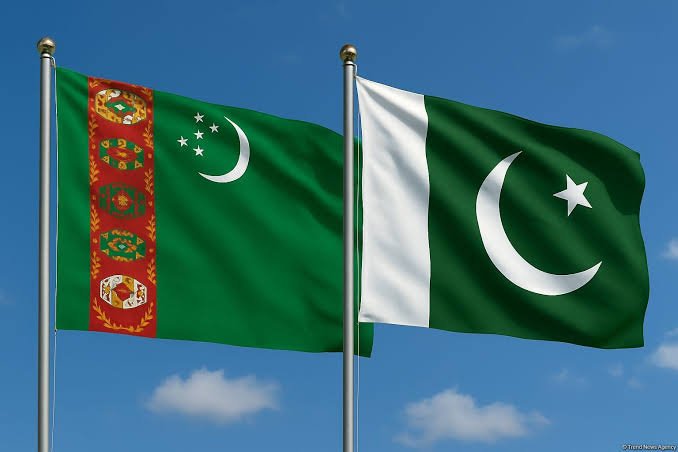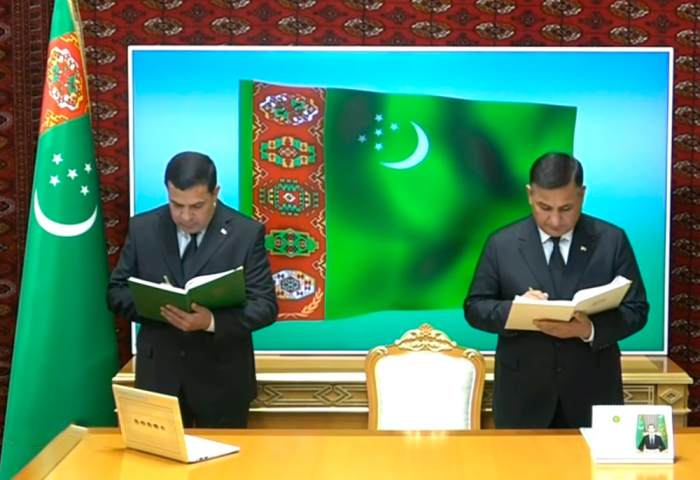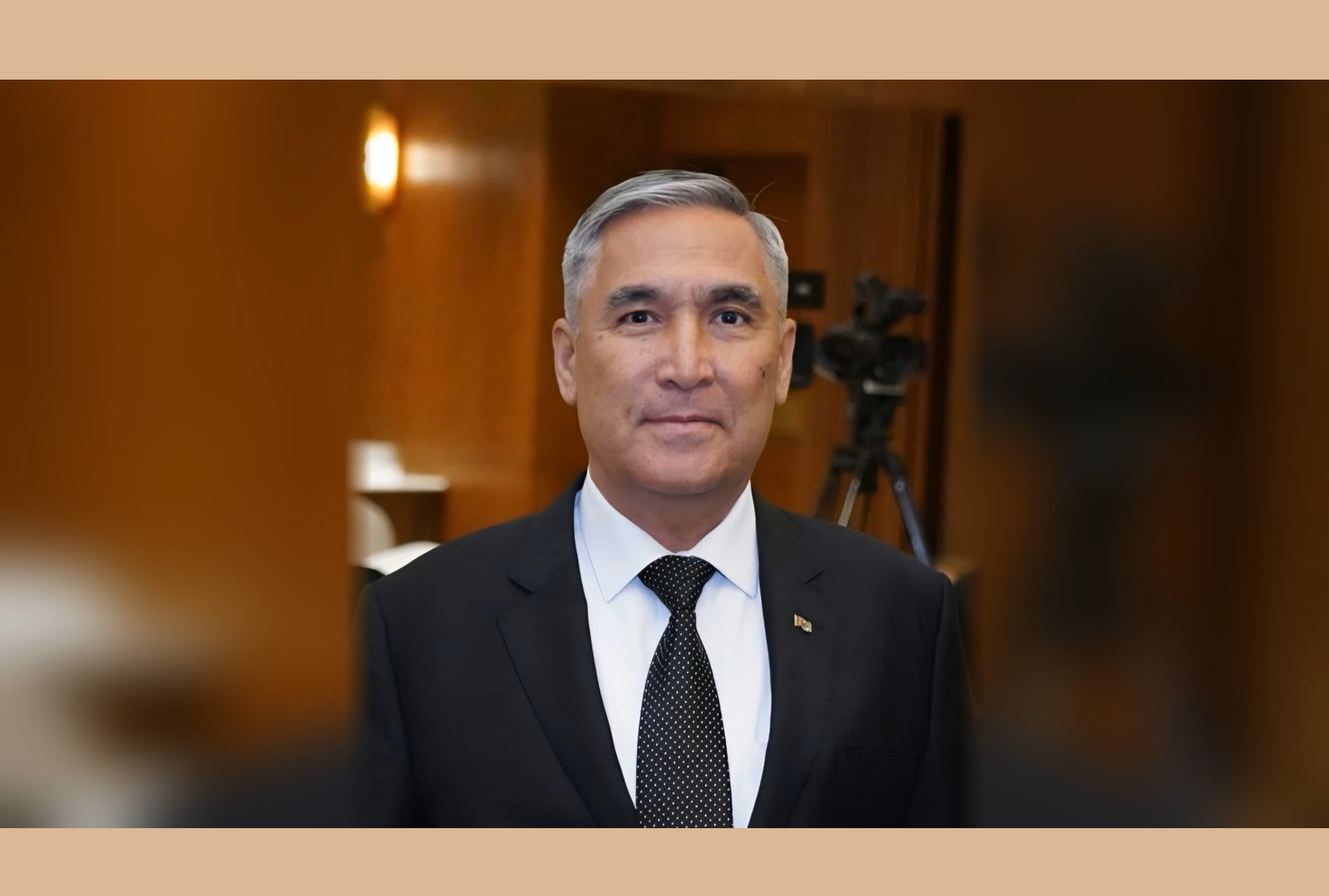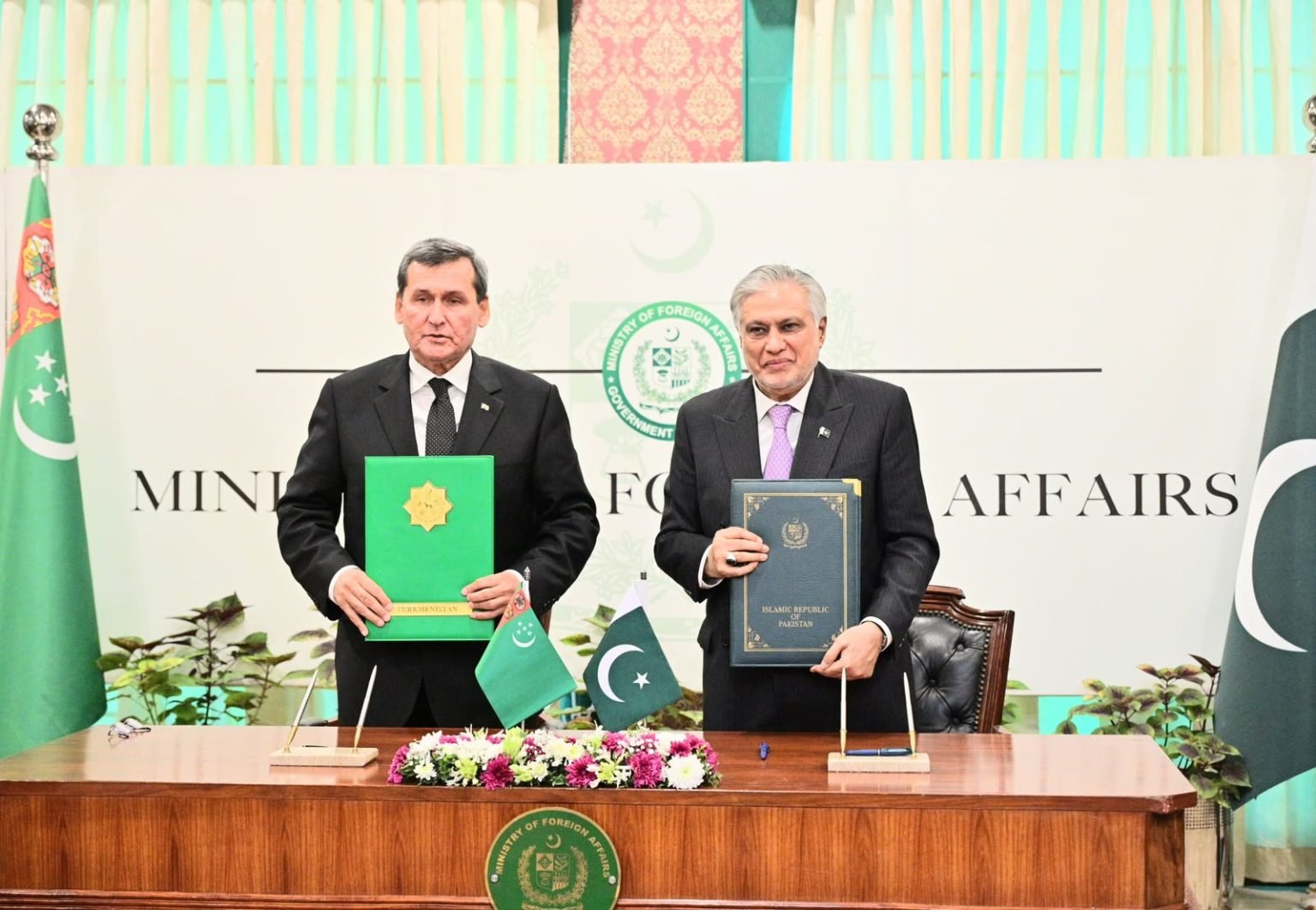
Islamabad, The Europe Today: Pakistan and Turkmenistan moved to deepen their economic partnership on November 17, 2026, when the Sixth Meeting of the Turkmenistan-Pakistan Joint Intergovernmental Commission on Economic Cooperation was held in Islamabad. The commission was co-chaired by Turkmenistan’s Minister of Foreign Affairs, Rashid Meredov, and Pakistan’s Deputy Prime Minister and Minister of Foreign Affairs, Muhammad Ishaq Dar. It ended with three bilateral documents signed and a renewed push on the region’s long-awaited energy and connectivity projects.
The agenda covered the main areas of bilateral trade and economic cooperation. Both sides focused on growing mutual trade and investment, building industrial and production linkages, and bringing the business communities of the two countries into closer contact.
TAPI and Power Corridor at the Heart of Talks
Energy was the main topic. The two delegations reviewed how to move forward on major regional energy projects, above all the Turkmenistan-Afghanistan-Pakistan-India (TAPI) gas pipeline, along with electricity cooperation on the Turkmenistan-Afghanistan-Pakistan route. Both sides stressed that these projects matter for energy security and for building lasting infrastructure for regional cooperation. For Pakistan, which faces a growing energy demand, Turkmen gas and electricity could change how it meets its long-term needs.
Linking Central and South Asia
Transport connectivity and the expansion of transit and logistics opportunities were also high on the agenda. Islamabad and Ashgabat discussed using their geographic positions to develop trade routes, strengthen links between Central and South Asia, and improve access to regional and international markets. This would place both countries on emerging trade routes across Eurasia.
From Farms to Fintech
The commission also looked at expanding cooperation in industry, agriculture and food security. Delegates discussed possible work together in information technology, science and education, healthcare, tourism, banking and finance.
Both sides gave particular importance to direct contacts between relevant ministries, government agencies and organisations. They also agreed on the need for better mechanisms to put bilateral agreements into practice. The meeting further covered strengthening the legal and contractual framework of Turkmenistan-Pakistan relations and identifying priority areas for future cooperation.
Three Documents Signed
After the talks, a signing ceremony was held for the following documents:
Protocol of the Sixth Meeting of the Turkmenistan-Pakistan Joint Intergovernmental Commission
Cooperation Programme between the Ministry of Foreign Affairs of Turkmenistan and the Ministry of Foreign Affairs of the Islamic Republic of Pakistan for 2026–2030
Memorandum of Understanding between the Ministry of Culture of Turkmenistan and the Ministry of Inter-Provincial Coordination of the Government of the Islamic Republic of Pakistan on Cooperation in the Field of Tourism
The meeting and the agreements reached reaffirmed that Turkmenistan and Pakistan are committed to strengthening their traditionally friendly relations and expanding wide-ranging cooperation for the benefit of the people of both countries.