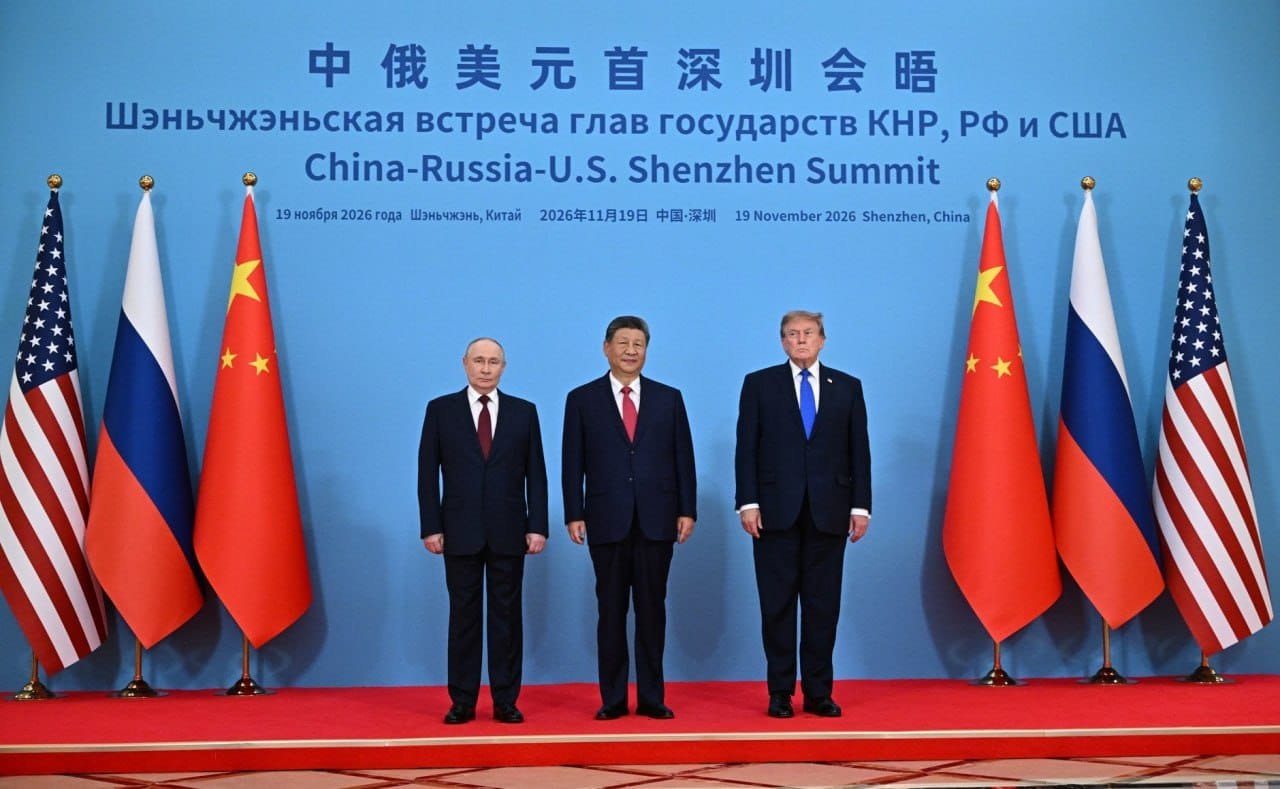
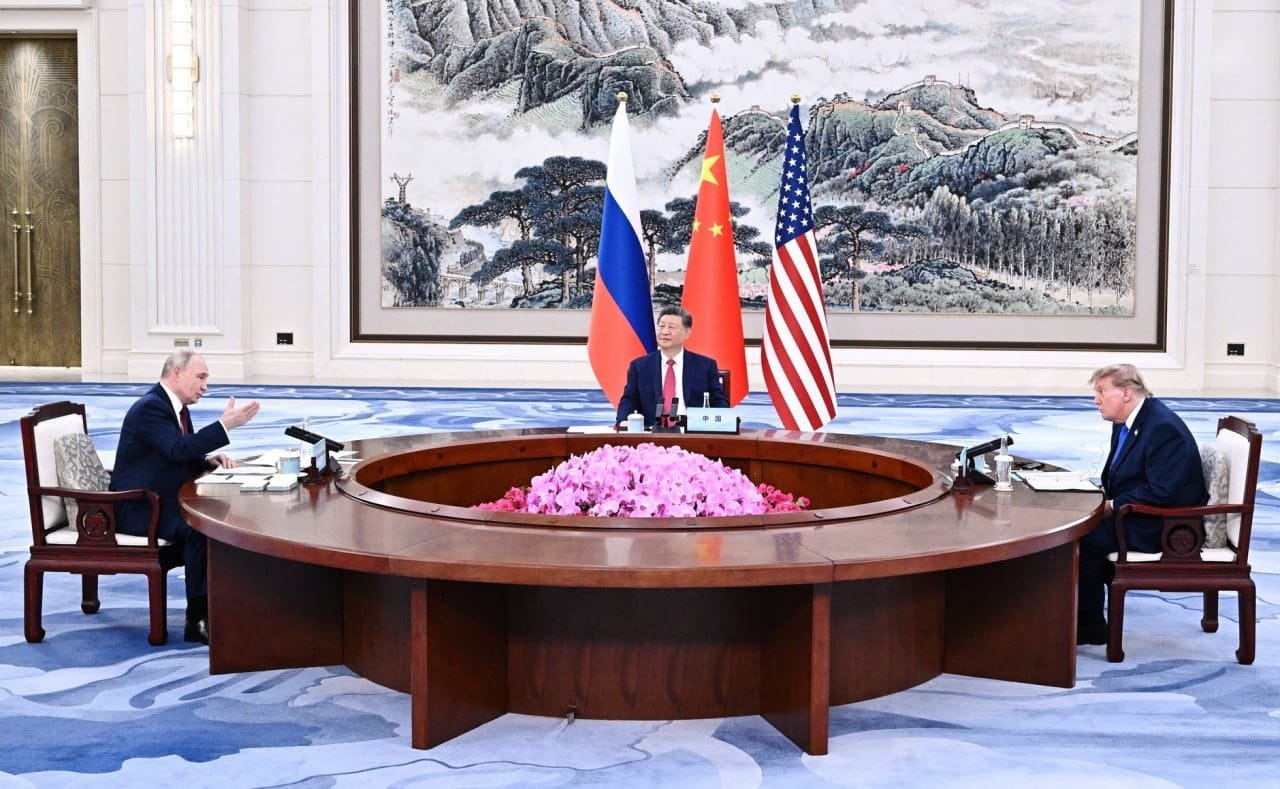
Muhammad Asif Noor: The international order is undergoing a transformation that extends far beyond the familiar debate over which country will lead the world. Economic influence is shifting, technological capabilities are reshaping national power, and emerging economies are demanding greater participation in international decision-making. Yet the institutions responsible for managing global affairs remain under increasing pressure to respond to these changes.
The fundamental question is whether global governance can evolve quickly enough to accommodate a more diverse distribution of power while preserving the cooperation essential to international stability.
Interdependence and Competition in a Changing World Order
The world has entered an era in which economic interdependence and geopolitical competition coexist. Trade connects countries whose strategic interests differ. Technology creates opportunities for development while introducing new forms of dependency. Climate change, financial instability and regional conflicts produce consequences far beyond national borders.
These realities expose a growing contradiction. Countries increasingly recognize the need for collective solutions, yet international politics frequently rewards unilateral action and strategic competition.
Multipolarity is changing the distribution of power. The greater challenge is ensuring that multilateralism changes how that power is exercised.
China’s Global Governance Initiative and the Reform Debate
China’s Global Governance Initiative has emerged within this changing environment as an attempt to address the widening gap between global challenges and institutional responses. Proposed by President Xi Jinping in September 2025, it emphasizes sovereign equality, international rule of law, multilateralism, people-centred governance and practical action.
These principles address questions that have troubled developing countries for decades. How can states enjoy sovereign equality while exercising vastly unequal influence over international decisions? How can international law command universal respect when its application becomes entangled with geopolitical interests? And how can global institutions retain legitimacy when their decisions fail to improve people’s lives?
China’s June 2026 white paper on global governance further developed these ideas, presenting reform as a process centred on the United Nations, broader consultation and shared benefits. Beijing’s establishment of the Group of Friends of Global Governance has also created another diplomatic channel for discussing institutional reform.
The significance of these developments extends beyond China’s foreign policy. They reflect a broader international debate over how emerging economies can contribute to setting rules rather than merely implementing decisions taken elsewhere.
Connectivity, Development and Effective Global Governance
China’s experience in infrastructure development, industrial transformation and international connectivity adds an economic dimension to this discussion. The Belt and Road Initiative has expanded infrastructure partnerships across continents, while also generating debates over financing, sustainability and local development benefits.
These experiences suggest that effective global governance requires a closer relationship between political representation and economic opportunity. Institutional reform becomes meaningful when it improves countries’ capacity to develop, trade and respond to shared challenges.
Europe’s Perspective: Dialogue Amid Strategic Differences
Europe provides another important perspective. The European Union has spent decades developing institutions capable of managing competing national interests through negotiation and common rules. Its experience demonstrates the possibilities of sustained regional cooperation. Yet Europe is also confronting the difficult relationship between strategic autonomy and economic interdependence.
The October 2026 China-EU trade consultations in Beijing illustrated this tension. Despite disagreements over market access, export controls and industrial competition, both sides pursued dialogue on trade balancing, intellectual property and World Trade Organization reform.
The European Parliament’s October recommendation on relations with China similarly combined concerns about security and human rights with recognition of the importance of dialogue on climate change, multilateralism and international development.
These developments reveal an essential reality. Strategic differences between major powers will persist, but global economic stability requires functioning mechanisms for managing them.
What Global Governance Means for the Global South
For the Global South, the consequences are particularly significant. Developing economies face substantial financing needs, climate vulnerabilities and unequal access to emerging technologies. Their participation in global governance must therefore extend beyond diplomatic representation to include influence over financial institutions, technology standards and development priorities.
Pakistan Within Overlapping Frameworks of Cooperation
Pakistan illustrates these interconnected challenges. Its strategic partnership with China, economic relationship with the European Union and participation in the Shanghai Cooperation Organisation position it within several overlapping frameworks of international cooperation. Pakistan’s experience also demonstrates that connectivity alone cannot guarantee development. Infrastructure investment, trade access and diplomatic partnerships must be accompanied by institutional capacity, productive investment and economic reform.
Having studied the Shanghai Cooperation Organisation and worked extensively in public diplomacy, I have observed how regional institutions create opportunities for dialogue among countries with different political systems and strategic interests. Through the Institute of Peace and Diplomatic Studies, our engagement with international research communities has reinforced another lesson. Effective cooperation requires sustained relationships among governments, universities, think tanks, businesses and civil society.
Three Priorities for the Future of Global Governance
The future of global governance will increasingly depend on these connections. Three priorities deserve particular attention. International financial institutions must become more responsive to developing economies. Regional organizations should strengthen cooperation with the United Nations. And major powers should preserve practical collaboration on climate change, artificial intelligence, trade and development despite their strategic disagreements.
From Multipolarity to Multilateralism
The next international order will contain several centres of influence. Its effectiveness will depend on their willingness to exercise power with responsibility. Multipolarity describes the distribution of power. Multilateralism determines how that power is exercised. The future of global governance will ultimately be judged by whether international institutions can translate these principles into peace, development, fairness, and opportunity.
The world is changing. Its institutions must change with it.
The writer is Founder, Friends of BRI Forum and Advisor to Pakistan Research Centre, Hebei Normal University
The writer is Founder, Friends of BRI Forum and Advisor to Pakistan Research Centre, Hebei Normal University.