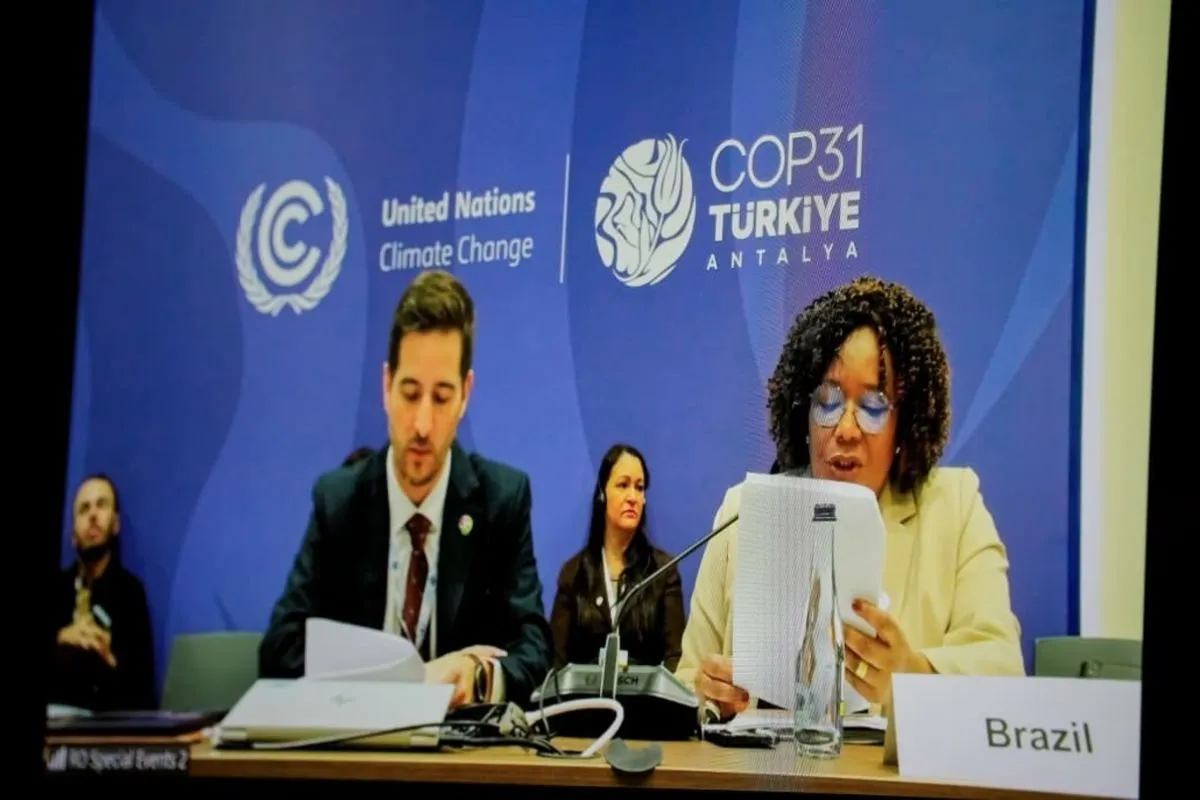
Jakarta, The Europe Today: The Indonesia carbon market has made a major move onto the global stage. Indonesia closed its carbon market engagements at COP31 in Türkiye by signing its first-ever agreement under Article 6.2 of the Paris Agreement. The deal aims to cut emissions by up to 12 million tonnes of CO2 equivalent (CO2e), and it signals that Southeast Asia’s largest economy intends to be a serious player in global carbon trading.
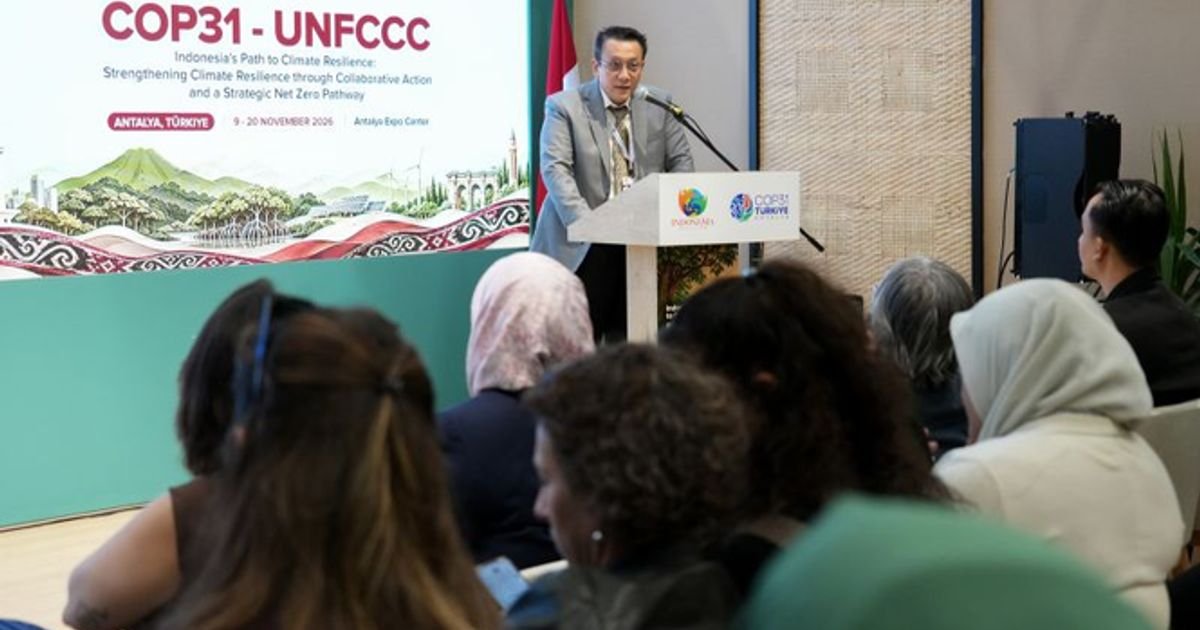
Deputy Environment Minister Diaz Hendropriyono spoke in Jakarta on Sunday. He said Indonesia wants global recognition as a carbon credit provider built on quality, credibility and legal certainty.
"We aim to build a market defined by integrity. With integrity, Indonesia can become a major player in global carbon trading by leveraging its forests, mangroves, and related projects, supported by a credible regulatory framework," Diaz said.
A Landmark Moment for the Indonesia Carbon Market
Diaz made the statement after the Carbon Connection Session (CarbonNex) at the Indonesian Pavilion during COP31. The event brought 17 national project developers together with international partners, financial institutions and investors.
CarbonNex created new partnerships through the Indonesia Climate and Carbon Partnership (ICCP). Three agreements were signed at the pavilion, and 30 climate action projects from several sectors were presented to potential partners and investors.
The headline deal was signed between state-owned electricity company PT PLN and the Global Green Growth Institute (GGGI), which manages the Norwegian Article 6 Climate Action Fund.
Floating Solar Power to Cut 12 Million Tonnes of CO2e by 2038
The PLN–GGGI partnership is Indonesia’s first agreement under Article 6.2 of the Paris Agreement. It targets emissions reductions of up to 12 million tonnes of CO2e by 2038 by building floating solar power plants with battery storage systems.
Indonesia ratified the Paris Agreement in 2016. Article 6.2 sets up a framework for countries to cooperate voluntarily by transferring internationally transferred mitigation outcomes (ITMOs). This mechanism is now becoming central to how nations finance and share climate action.
Pertamina, PGN, Unilever Join the Green Push
Two more agreements were signed at COP31:
Pertamina and Inhutani agreed to conserve the Rangkong Basaken forest.
PGN and Unilever agreed to work together on biomethane development.
US$2.94 Billion Mobilized for the Energy Transition
PLN has also made big gains in clean energy finance. The company has mobilized US$2.94 billion in energy transition financing, including US$1.1 billion through the Just Energy Transition Partnership (JETP).
PLN also signed power purchase agreements and letters of intent for about 330 megawatts of hydropower, solar and wind capacity. This is a solid step toward a cleaner national grid.
30 Climate Projects Pitched to Global Investors
More opportunities for the Indonesia carbon market came up during the "Carbon Project Pitching" session. There, 17 developers presented 30 climate action projects in forestry, energy, agriculture and waste management.
Six of the projects were "blue carbon" initiatives, four of them started by the Ministry of Marine Affairs and Fisheries. They highlight the climate value of Indonesia’s coastal and marine ecosystems.
ICCP: Indonesia’s New Gateway for Climate Partners
On November 10, 2026, the Ministry of Environment launched the Indonesia Carbon Cooperation Platform (ICCP). The platform matches national priorities with the expertise, technology and financing that partners offer through eight "Priority Support Packages."
Indonesia has its first Article 6.2 deal, billions in transition finance, and a full pipeline of investment-ready projects. With these, the Indonesia carbon market is positioning itself as one of the most closely watched climate markets in the world.