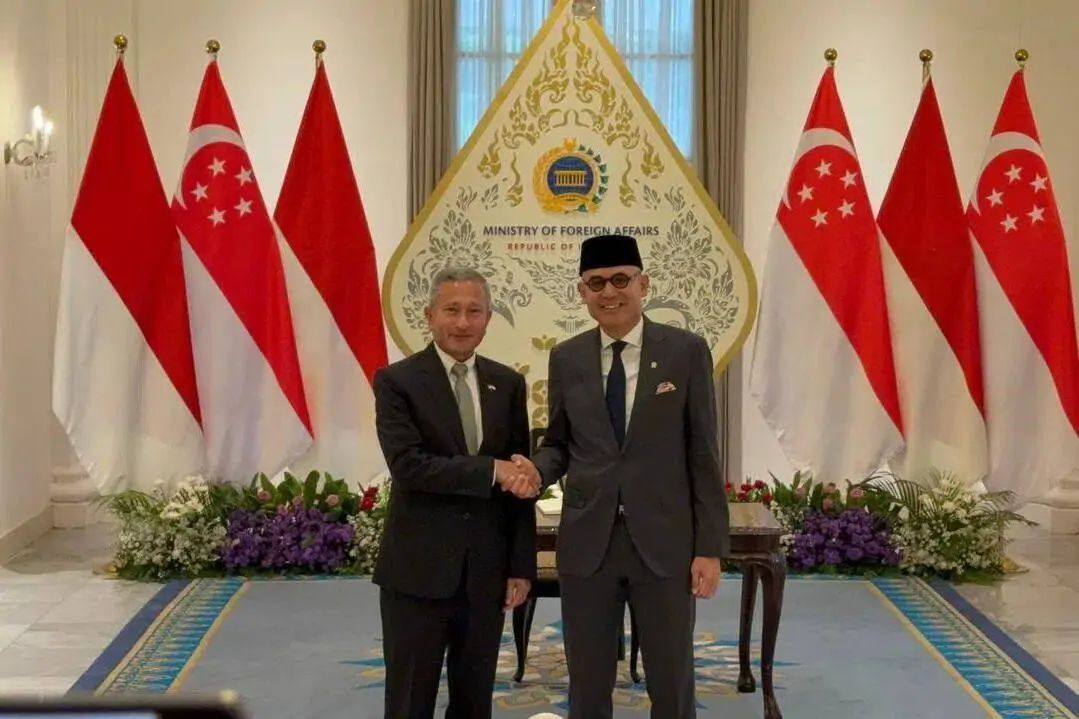
Jakarta, The Europe Today: Indonesia has been elected co-chair of the Group of Friends for Culture-Based Climate Action (GFCBCA) for the 2027–2028 term. The coalition brings together 56 United Nations member states and 27 international organisations, and the role gives Indonesia a leading voice in putting culture at the centre of the global climate agenda.
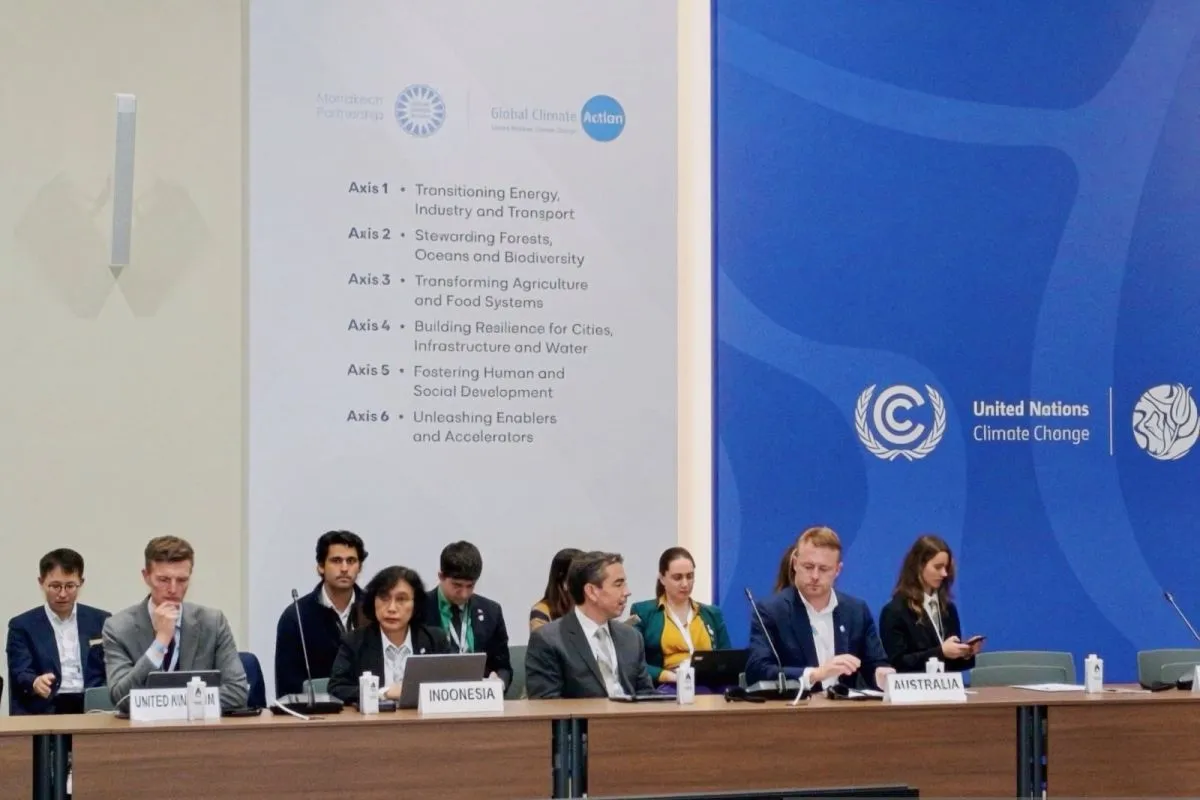
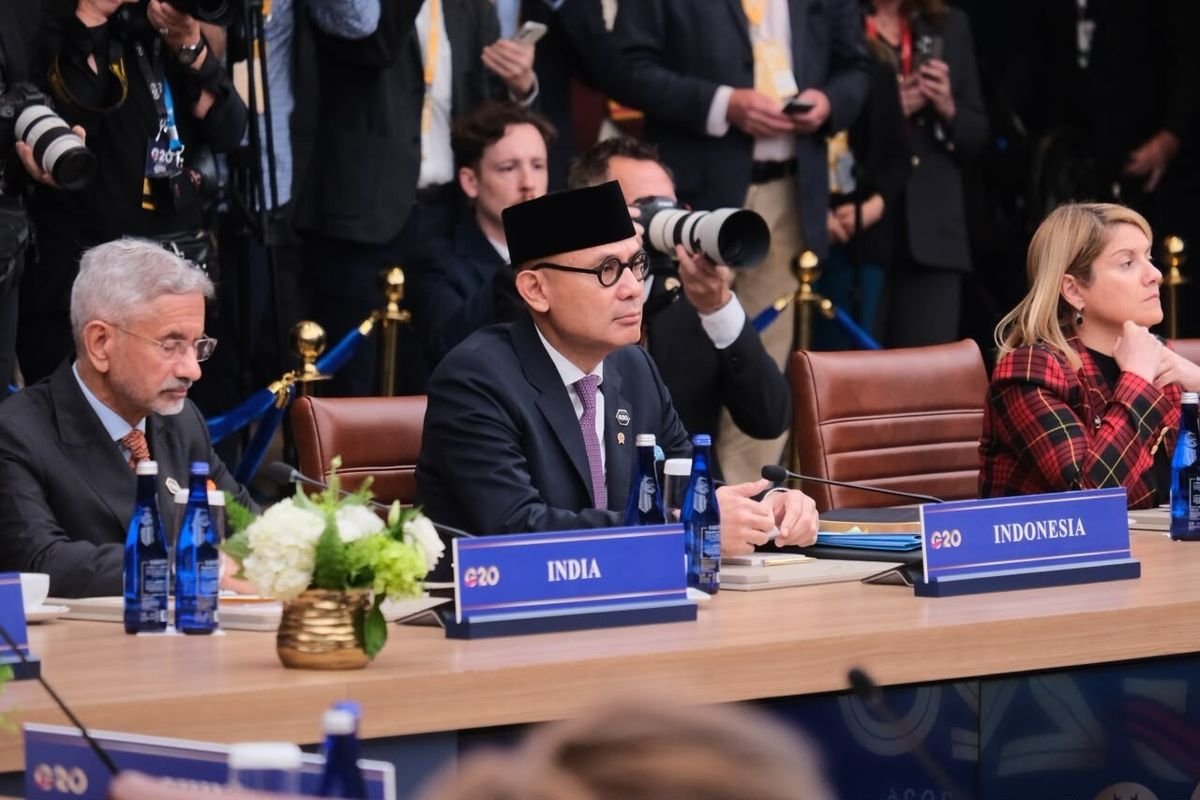
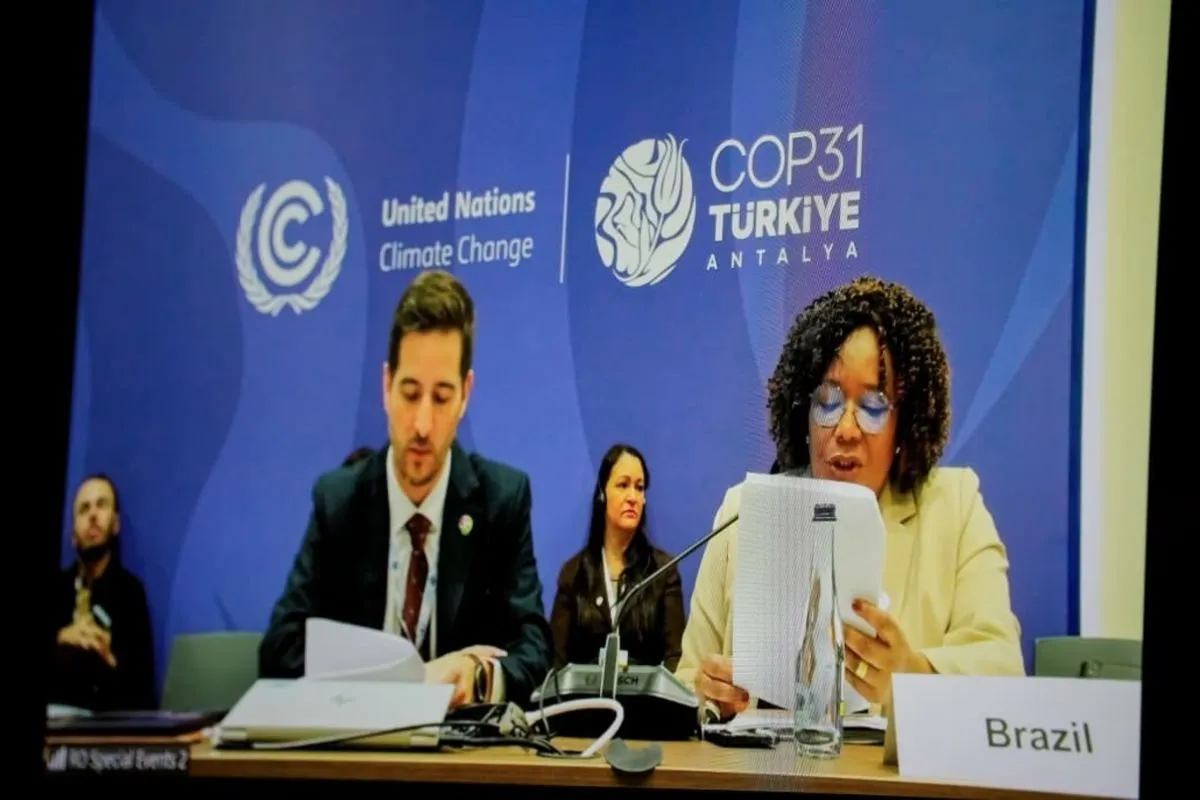
The election was endorsed at the 4th Meeting of GFCBCA Culture Ministers. The meeting was held on Tuesday, November 17, on the sidelines of the 31st UN Climate Change Conference (COP31) in Antalya, Türkiye, according to a press release received on Wednesday.
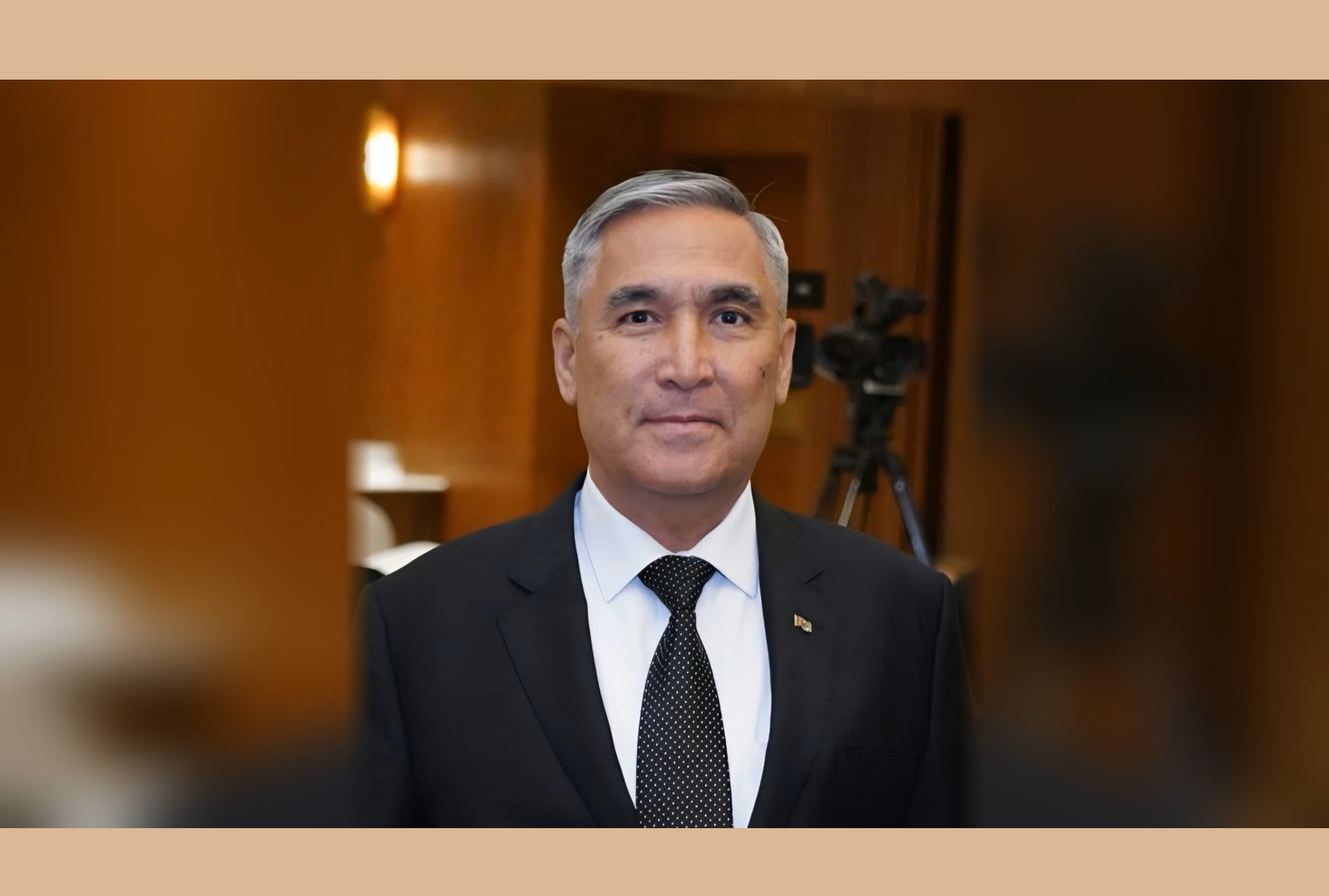
Indonesia’s Culture Minister Fadli Zon attended the meeting virtually. He thanked all GFCBCA members for trusting Indonesia with the co-chair role.
“Indonesia is ready to work together to strengthen international cooperation, promote concrete solutions, and place culture at the heart of global climate resilience,” he said.
240 Heritage Sites Being Revitalised Against Climate Threats
Zon pointed out that Indonesia is the world’s largest archipelagic nation and remains vulnerable to climate threats to its cultural heritage sites and landscapes. He said the government is revitalising 240 cultural heritage sites across the country in 2026 to make them more resilient to climate change.
The programme includes the world-famous Borobudur Temple in Central Java and a prehistoric cave art site in Sulawesi.
“I hope this revitalization initiative will become an international model for climate adaptation based on cultural heritage in tropical and equatorial regions,” Zon said.
A Call to Make Culture Part of National Climate Plans
The minister urged all coalition members to build culture into their national climate adaptation strategies. He also asked them to involve and empower traditional and local communities, and to strengthen cooperation and financing for climate adaptation.
Zon said traditional knowledge should be recognised as a legitimate knowledge system and treated as a key pillar of climate resilience.
“Indonesia has many examples, including the Subak traditional irrigation system in Bali for collective water management, Sasi customary law in Maluku and Aceh’s Panglima Laot institution for sustainable marine resource management, and Mentawai’s Tinungglu forest-based food system and West Java’s Leuit rice barn,” he said.
He also pointed to the customary land management of the Baduy community in Banten, the traditional fire management system of the Dayak people in Kalimantan, and the Smong oral tradition on tsunami awareness passed down in the Simeulue community. Zon said Smong helped save many lives during the 2004 tsunami in Aceh.
Indonesia Joins Brazil and UAE at the Helm
Brazil and the United Arab Emirates founded the GFCBCA during COP28 in Dubai in 2023. Indonesia will co-chair the coalition with both countries through 2028, and will also serve as deputy chair for the Asia-Pacific region.
Spain and South Africa were elected deputy chairs for Europe and Africa.