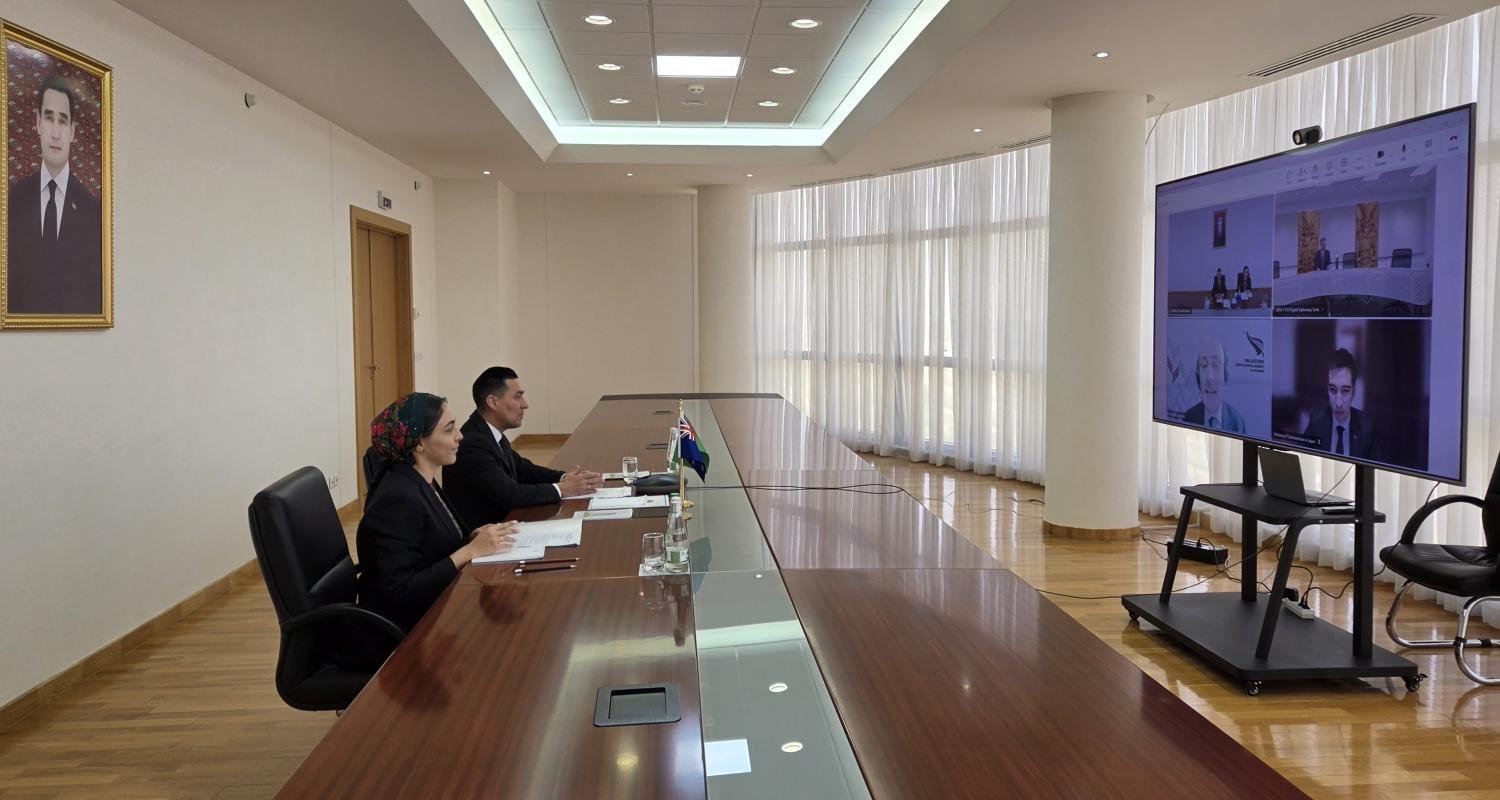
Ashgabat, July 28, 2026 – The Europe Today: Turkmenistan and New Zealand held their first political consultations on July 28, 2026, via videoconference, marking a significant step toward strengthening bilateral relations and expanding cooperation across political, economic, environmental, and cultural sectors.
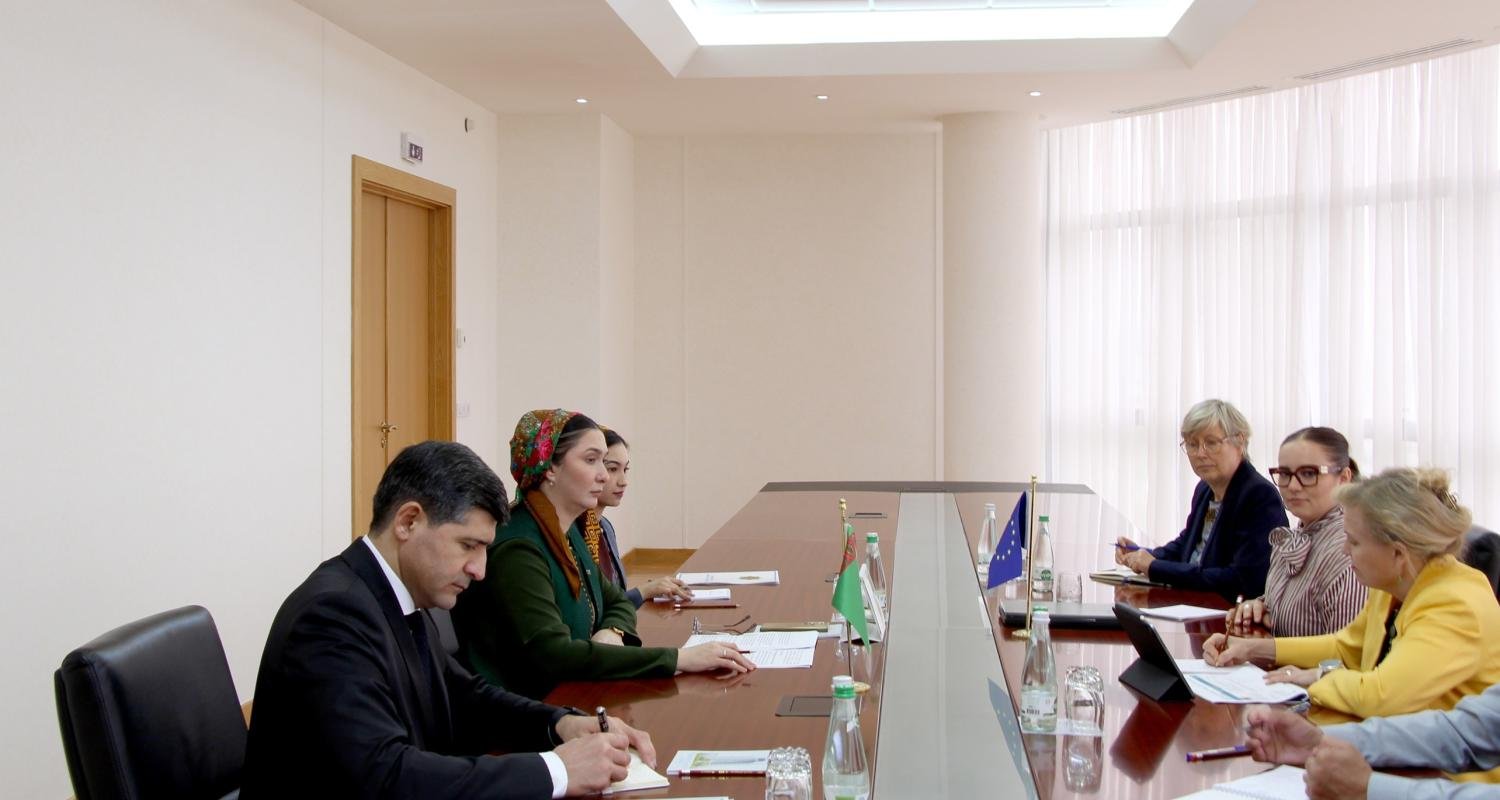
The consultations were conducted at the level of heads of department between the Ministry of Foreign Affairs of Turkmenistan and the Ministry of Foreign Affairs and Trade of New Zealand.
During the meeting, both sides reviewed prospects for enhancing political and diplomatic dialogue and highlighted their shared commitment to promoting global peace, security, and stability. The two countries also reaffirmed their intention to continue supporting each other’s initiatives within major international organizations, particularly the United Nations.
The diplomats held comprehensive discussions on expanding cooperation in sustainable transport, energy, and environmental security, recognizing these sectors as key pillars of future bilateral engagement. The Turkmen side expressed appreciation to New Zealand for co-sponsoring the UN Resolution titled “Reliable and Stable Transit of Energy and Its Role in Ensuring Sustainable Development and International Cooperation,” an initiative introduced by Turkmenistan.
The consultations also underscored the potential for collaboration during the United Nations Decade of Sustainable Transport (2026–2035), with both countries exploring opportunities for joint projects to advance sustainable connectivity and international cooperation.
Turkmenistan presented its ongoing environmental initiatives aimed at strengthening global environmental security. Officials highlighted the country’s efforts to promote a comprehensive UN environmental strategy for Central Asia, including proposals to establish a UN Regional Centre for Climate Change Technologies in Central Asia and a Regional Center for Combating Desertification to serve countries across the region.
Trade and economic cooperation featured prominently in the discussions, with both parties acknowledging that the current level of bilateral trade remains modest and does not reflect the considerable potential for stronger commercial relations.
To unlock this potential, the two sides identified opportunities for cooperation in high technologies, agriculture, water resource management, and industry, while expressing mutual interest in fostering direct engagement between private-sector representatives from both countries.
The consultations also addressed cultural and humanitarian cooperation. The participants explored prospects for establishing partnerships between universities, conducting joint scientific research, and organizing virtual exchanges between academic and research institutions.
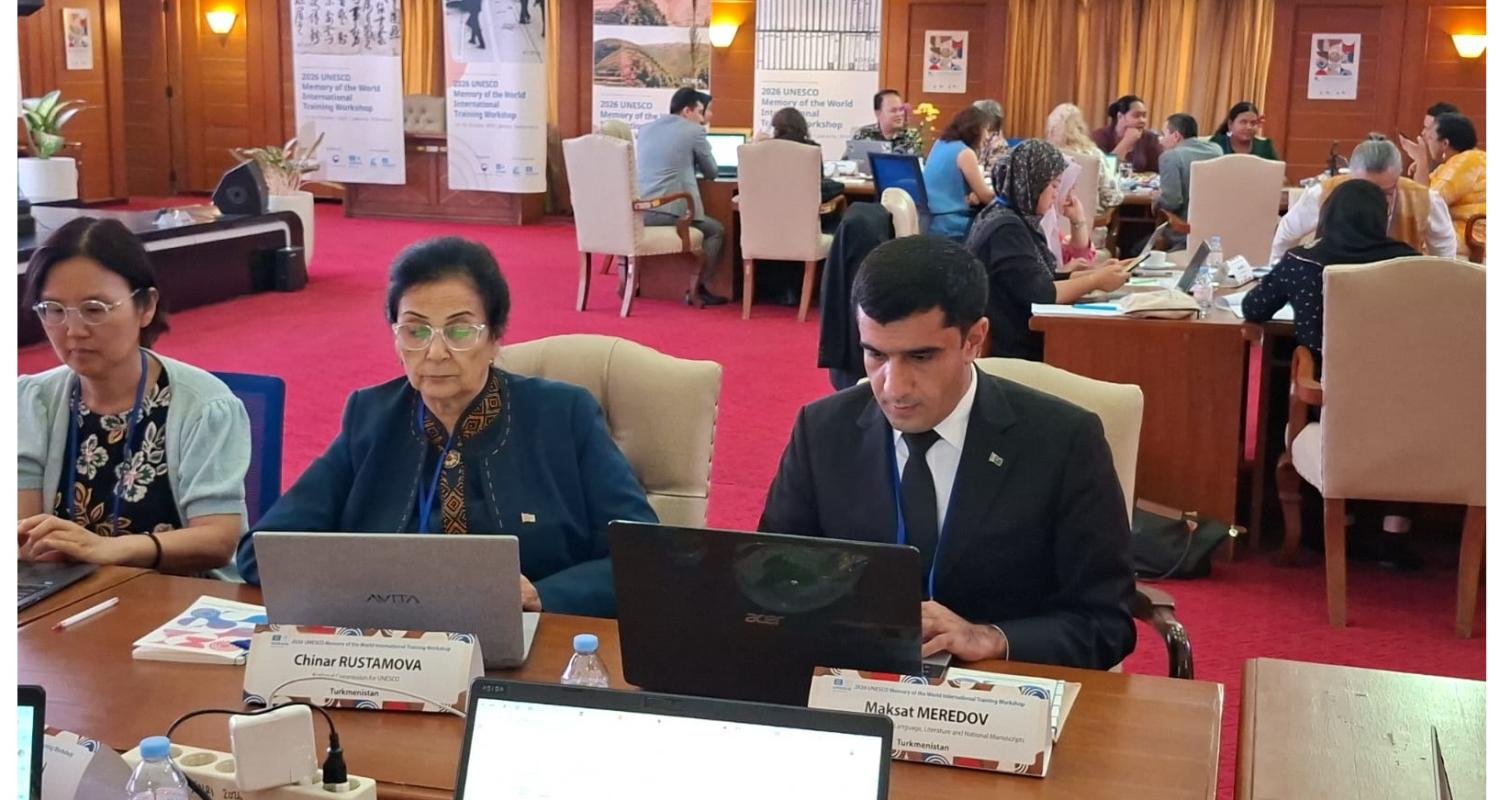
Additionally, both sides discussed expanding cultural interaction through online festivals, virtual exhibitions, Days of Culture, cooperation between museums and libraries, as well as collaboration within the framework of UNESCO.
At the conclusion of the consultations, Turkmenistan and New Zealand reaffirmed their commitment to strengthening political dialogue, advancing multilateral diplomacy, and broadening cooperation in trade, education, science, culture, and sustainable development, laying the foundation for a more dynamic and comprehensive bilateral partnership.