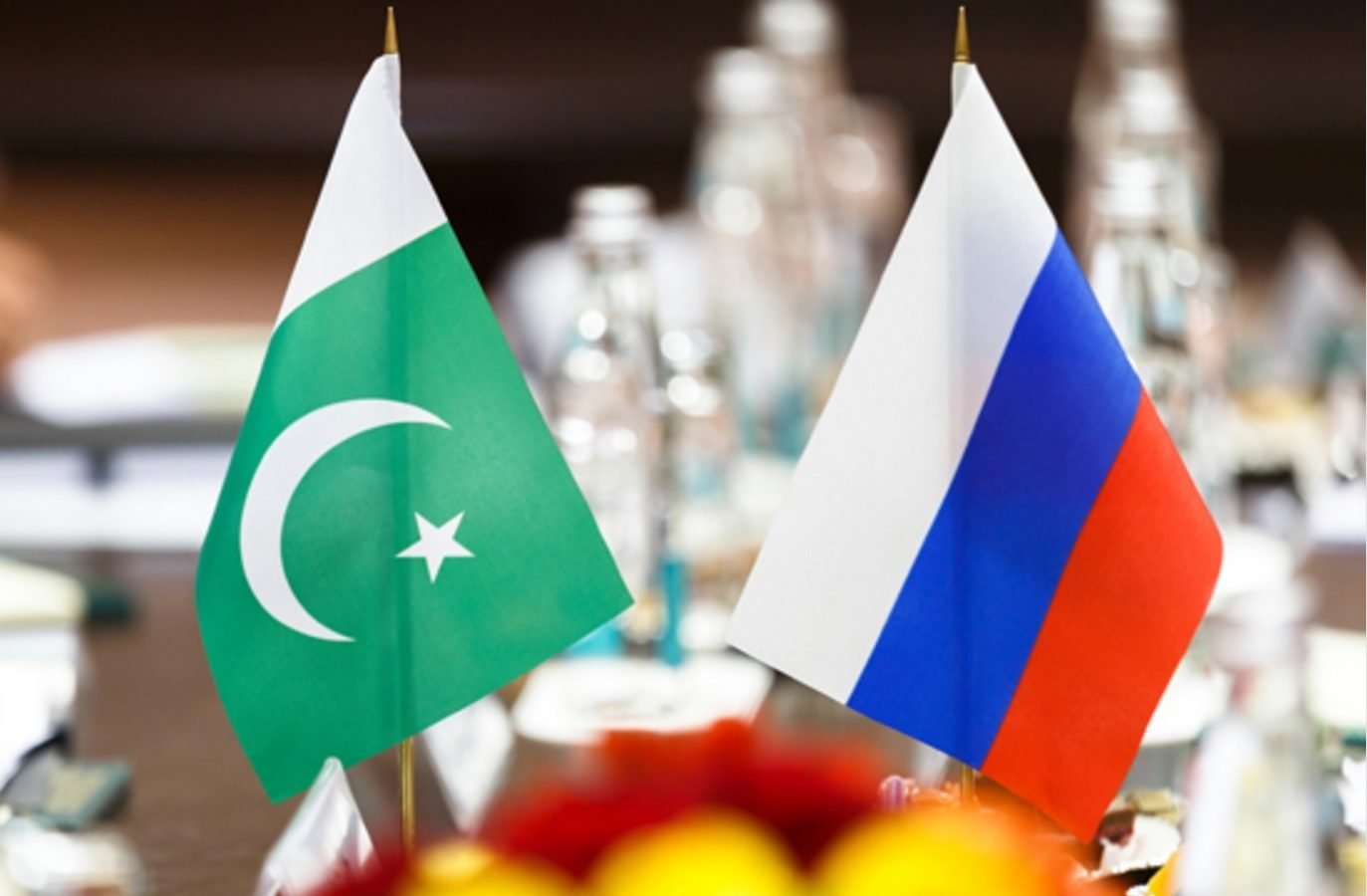
When many doors are closing in this age, one of the best doors is being opened quietly in Russia: the classroom door. Thousands of young people from Islamabad to Bishkek, Dhaka to Luanda are opting to study at Russian universities, Russian language courses and Russian cultural programmes as their path to the future.
It is not measured in communiqués, but in engineers going back to their mines and factories, in doctors to their hospitals, and in scholars with two cultures in their minds. One of the most generous and extensive manifestations of the partnership between Russia and the Global South is its outreach in the education sector, conducted by Rossotrudnichestvo and its network of Russian Houses.
Especially in Pakistan this is an encouraging story. Scholarships have multiplied; Russian language instruction is being taken to new institutions; and both governments now openly acknowledge that they have a shared goal of sending thousands of Pakistani students to Russian campuses.
A Rising Tide of Interest
The numbers reveal the increasing trust in Russian education around the world. In 2026 the agency’s Education in Russia system registered over 160,000 people, compared to nearly 144,000 the previous year, Rossotrudnichestvo Deputy Head Pavel Shevtsov said. There were approximately three times as many candidates as government-funded places, with some 89,000 applications received. Shevtsov said that this is a “competitive level that is not so bad on international standards” at the Valdai Discussion Club.
Its range of influence is truly global. Rossotrudnichestvo recruited students for the 2025/2026 academic year from 177 countries as quota students. Students accepted under the quota of the Russian Government can study without payment of tuition fees and admission fees at universities throughout the territory of the Russian Federation, from Moscow to St. Petersburg, from Kazan to Yekaterinburg, Novosibirsk.
Desire for further education is also on the increase. Of the 6,465 applications received for postgraduate positions under the quota for 2026/2027, 21 per cent were more than the number of the previous year. The foreign postgraduate students at the university in the last decade have more than doubled, the number is now 12,400 students.
Russian Houses
The Russian Houses are at the centre of this endeavor, the overseas centres of Russia’s federal agency on international humanitarian cooperation Rossotrudnichestvo. They are a mix of library, classroom, and cultural salon. Young people here take aptitude exams for entrance into Russian universities, learn Russian language, watch Russian movies and meet the scientists, academicians and professors who will educate them in the future.
It’s a simple and generous model. The applicant registers over the Internet on the Education in Russia portal, selects universities, specialty and passes admission tests, which are conducted remotely or in the Russian House in their area. The successful candidates are invited by the Ministry of Science and Higher Education and they get a student visa for Russia.
The Russian Houses also bring Russian culture to those who might not ever hop a flight to Moscow. As a result of such events and activities, ordinary people have a first-hand contact with the immense intellectual heritage of Russia, including exhibitions, poetry evenings, Olympics, international campaigns like the Russian Geographical Society’s Geographical Dictation.
Pakistan and Russia: A Partnership in Classrooms
It is seen nowhere more than in Pakistan. Russian Ambassador Albert Khorev revealed that the Russian government has tripled its scholarship scheme for the Pakistani students and that the Russian language centres are being established in Islamabad, Lahore and other cities. The call of the young people of Pakistan has been answered: during the 2025-2026 admission campaign, Rossotrudnichestvo received over 1,500 applications for the quota places from Pakistan.
The Russian House in Islamabad, which has the right to nominate candidates, has launched applications for Bachelor’s, Master’s and PhD programmes at top Russian universities, and students are exempt from tuition and admission fees. In Karachi, the Russian House has partnered with the Ural State Pedagogical University to provide free courses in Russian language and culture, and foreign Russian teachers have expressed their appreciation for the students’ goal-oriented and purposeful learning.
It’s an ambitious undertaking on both sides. In February 2026, Pakistan’s Ambassador to Russia, Faisal Niaz Tirmizi, laid down a target of 13,000 students of Pakistan in Russia at the Moscow–Islamabad Media Forum held by the Rossiya Segodnya Media Group and the Ministry of Information and Broadcasting, Pakistan. He wished that the Pakistani students will come to understand that Russia is a top tourist destination culturally, educationally and historically.
Language as a Bridge
A Bachelor’s degree programme in Russian is to be started at the National University of Modern Languages in Islamabad from Autumn 2026. At the Russian State University for the Humanities in Moscow, Urdu classes are being offered to Russian students and the University has signed a cooperation agreement with the Federal Urdu University of Arts, Science and Technology on April 2026. Every Pakistani who learns Russian, and every Russian who learns Urdu is a living bridge between two great cultures.
All Around the World in the Global South
Partnering is part and parcel of Pakistan. The Russian House in Dhaka has continued to strengthen cooperation with local universities and media and, in Bangladesh, the number of Russian Government scholarships grows from 65 in 2018 to 200 in 2026.
Currently over 11,000 students are studying at Russian educational institutions in Kyrgyzstan, including half receiving state funded places, and 700 quota places have been allocated for 2026/2027. Today their students work as engineers in the major companies of the mining industry, and many of the leaders of the country have obtained Russian diplomas. One of the heartwarming anecdotes this year, from an intake of students admitted with the quota, is that of a mother and her son, who were both admitted, one to the film institute VGIK and the other to the theatre academy GITIS.
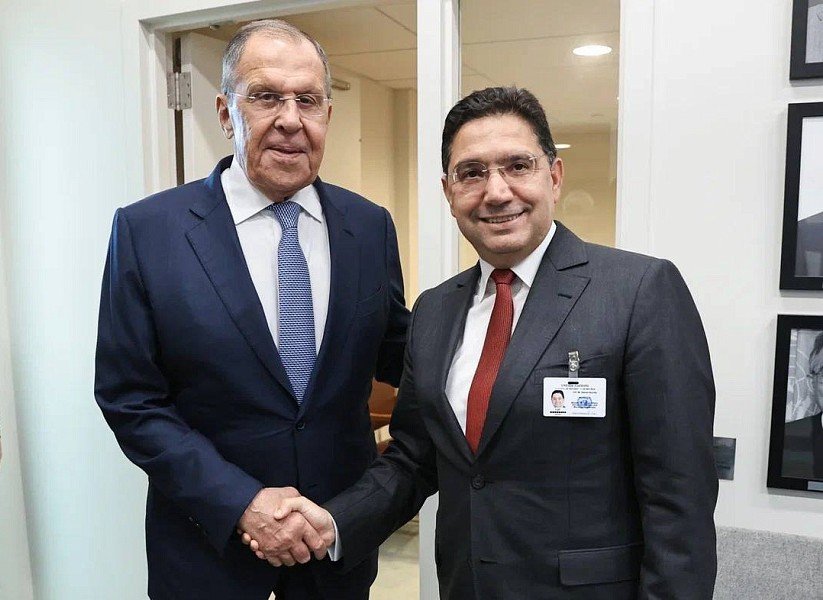
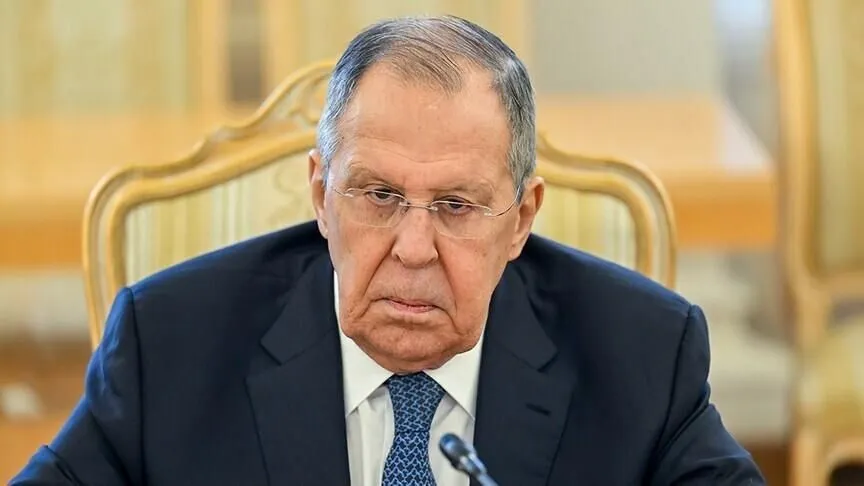
Growing importance in Africa, too. Among the ministers, Russia has increased its quotas for a number of African countries including Angola, Ethiopia, Namibia, Mozambique and South Africa. Foreign Minister Sergey Lavrov has reaffirmed Moscow’s readiness to help train the specialists Africa needs for its sustainable development.
The Human Dimension
So in the end I must include that, an Islamabad girl interested in medicine going to Kazan; a Bangladeshi engineer heading to St. Petersburg; a family from Kyrgyzstan studying together in Moscow. The officials of Rossotrudnichestvo acknowledge that the travel expenses are increasing and logistics are complicated, but the interest in the year continues to grow.
It is the silent power of Russia’s humanitarian policy. It puts in its people, not its stories, and it puts in its friendships, which will transcend news cycles. While Russia and Pakistan are negotiating a new bilateral agreement on culture and trade, and while the Russian Houses are accepting new applicants, a single fact remains: the best bridge between the countries will be built one student at a time, in classrooms.
Copyright © 2026 by Muhammad Ali Pasha. All rights reserved. Reproduction or distribution of this content, in whole or in part, without prior written permission is prohibited.
Owner of “The Europe Today” and Patron-In-Chief/Owner of “The Gulf Observer”, Chairman “The Gulf Observer Research Forum”, Foreign Affairs Expert, Analyst, International Award Winning Author and Poet.