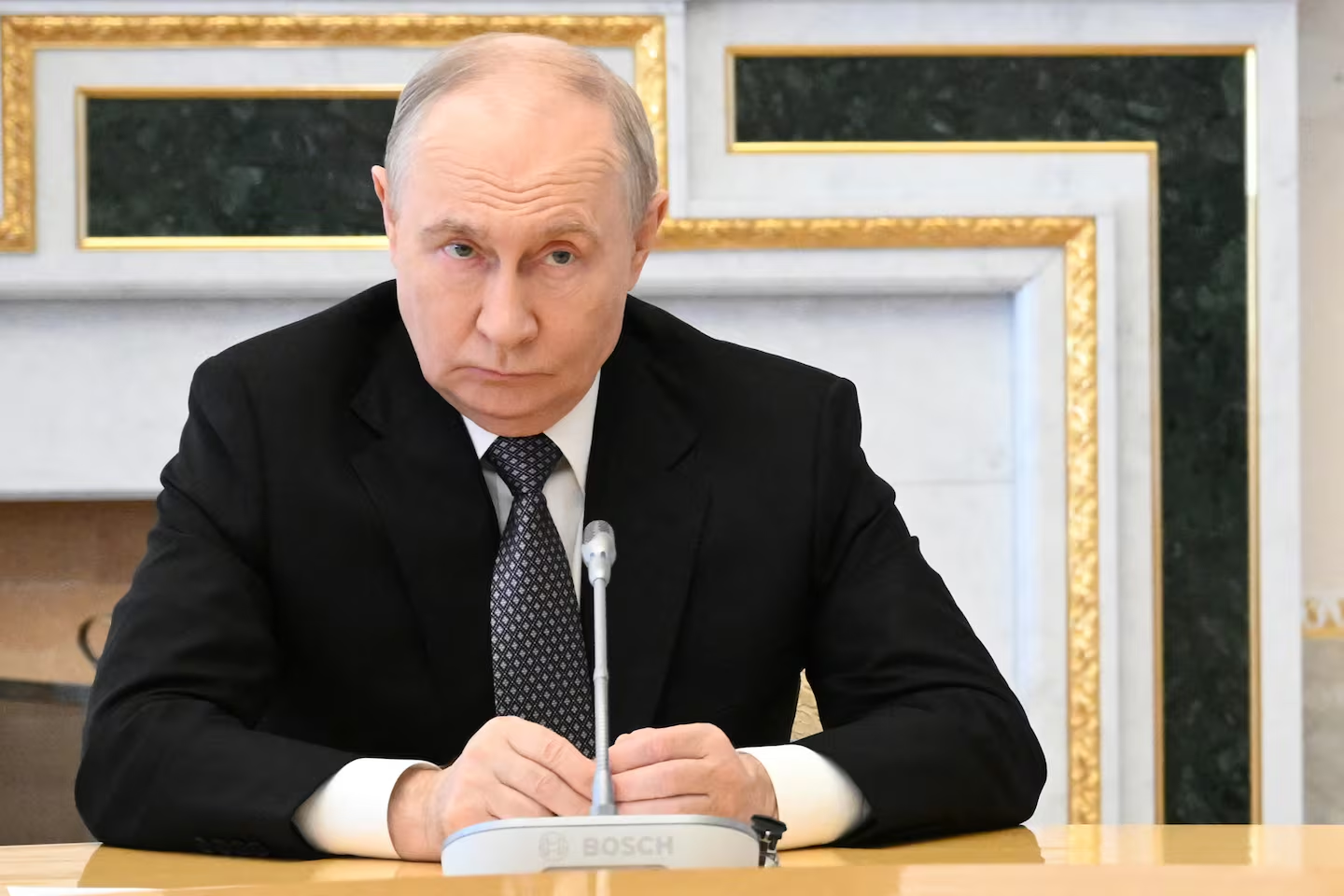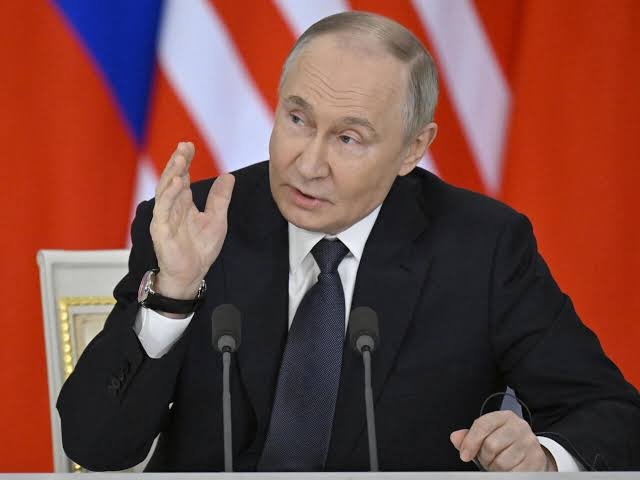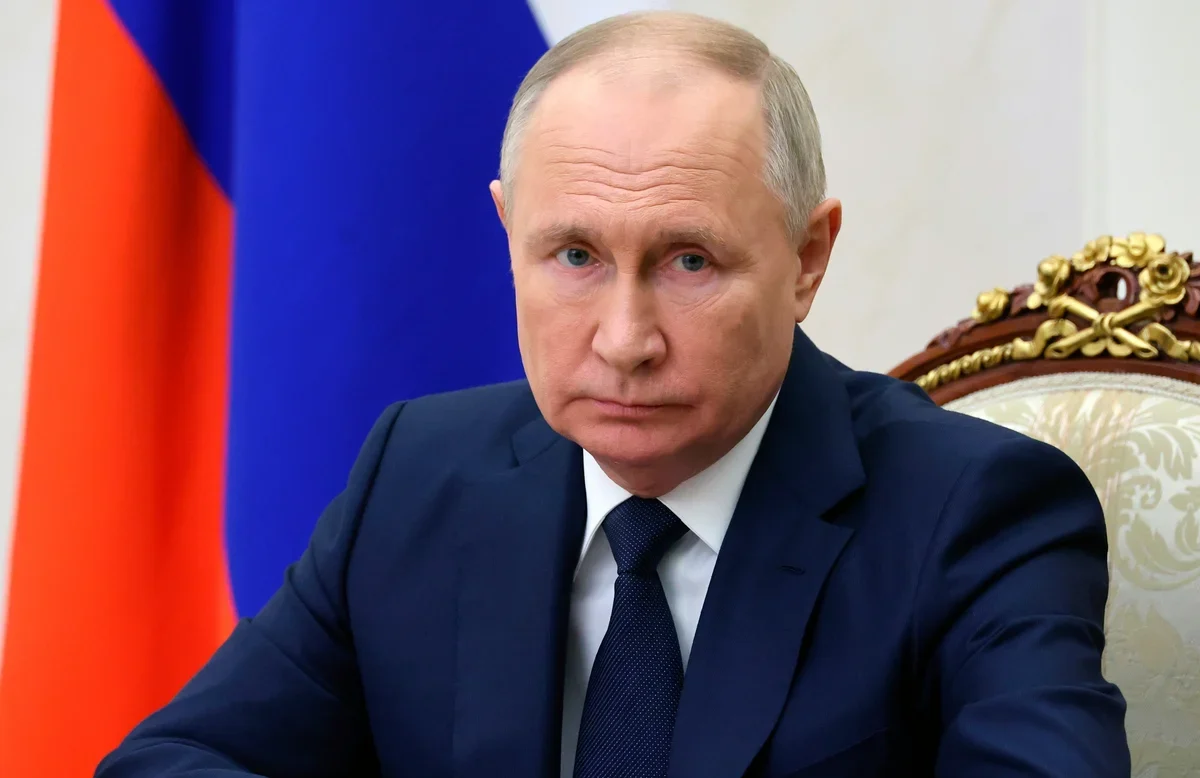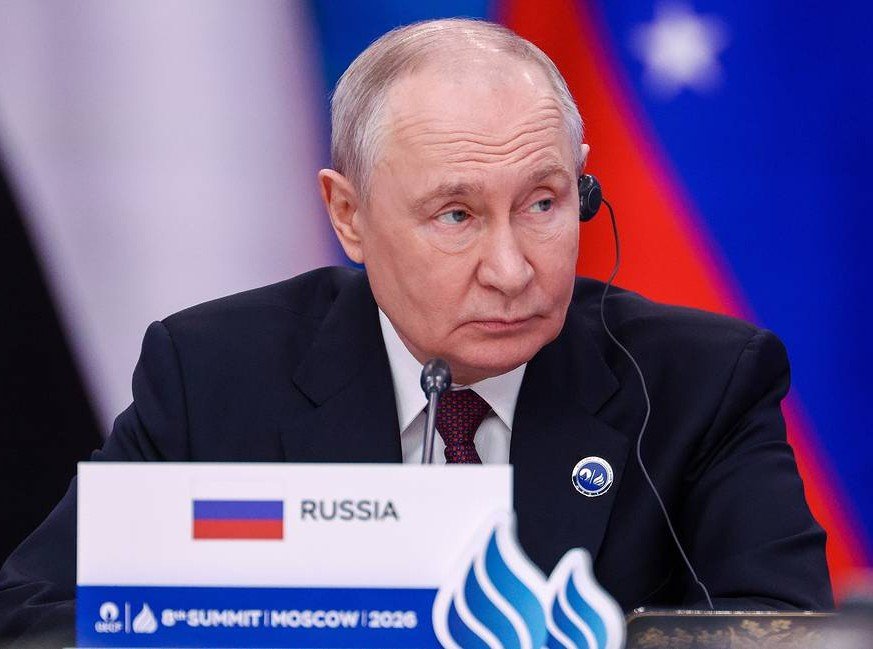
Moscow, October 28, 2026 – The Europe Today: Russian President Vladimir Putin has said that European countries are damaging their own industrial sectors and social welfare by rejecting Russian energy resources and terminating long-term supply contracts, urging international efforts to stabilise global gas markets through dialogue, cooperation and the resolution of conflicts.
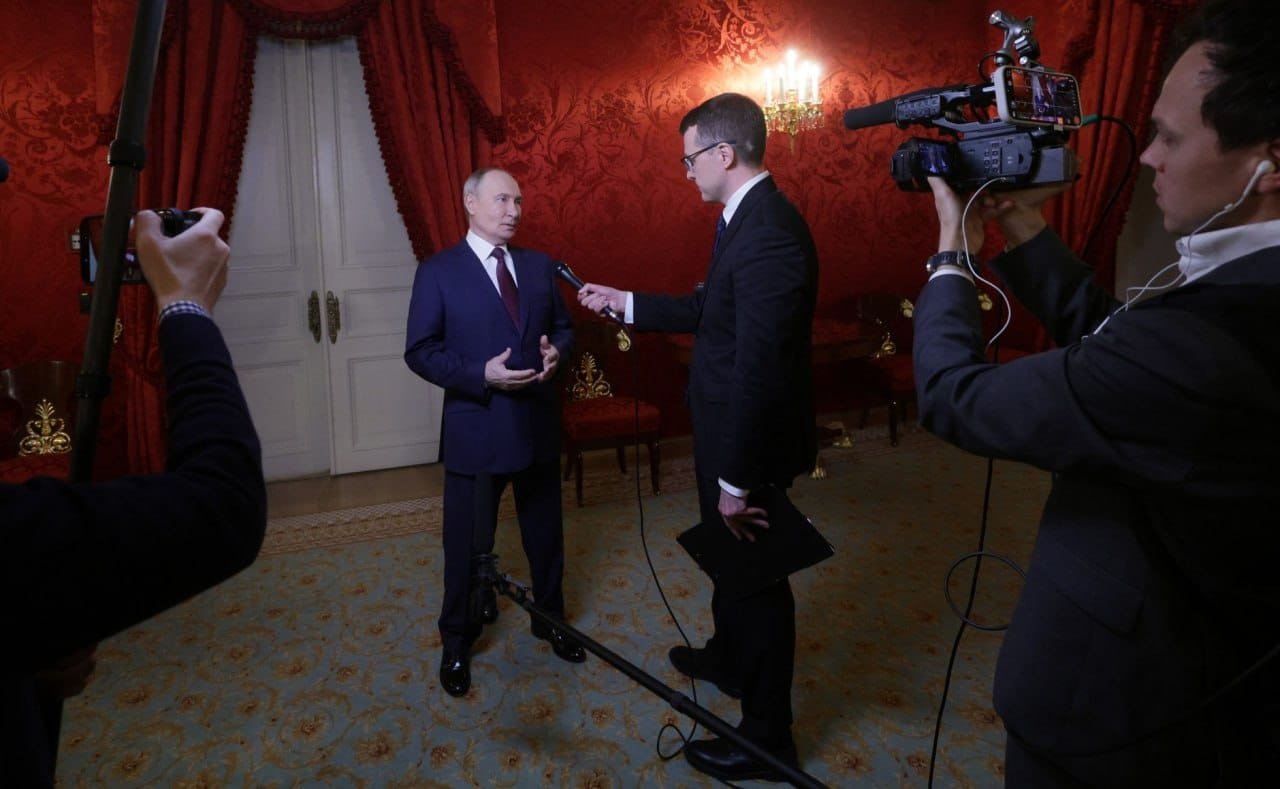
Speaking at a summit of the Gas Exporting Countries Forum (GECF), Putin stressed that the termination of conflicts and the lifting of sanctions should be considered as measures to restore stability in international gas markets.
According to Russia’s TASS news agency, Putin criticised the use of sanctions as a tool of unfair competition, arguing that such measures could have serious consequences for all parties, particularly the countries imposing them.
He noted that Europe’s decision to reduce its reliance on Russian energy had placed additional pressure on its industries and social sectors. Referring to the situation, he invoked the proverb, “Don’t dig a pit for others and fall into it oneself.”
Putin also observed that European countries had reopened coal mines amid energy challenges, despite their commitments to the green agenda. He argued that energy policies should be developed responsibly, taking into account the capabilities of different energy sources during the transition towards cleaner systems.
Addressing the broader global energy outlook, the Russian president emphasised the growing importance of natural gas, which accounts for approximately one-quarter of the global energy balance. He said its role in the energy, industrial and agricultural sectors was expected to strengthen further in the coming decades.
Putin projected that global gas demand would continue to increase, reaching approximately 5.5 trillion cubic metres annually by 2050, while international gas deliveries could rise by around 1.5 times. He stressed the need for substantial long-term investment in new gas fields, processing facilities, transportation networks and liquefied natural gas (LNG) infrastructure.
He also highlighted the importance of LNG in addressing disruptions to global supplies, noting that significant volumes of gas had been removed from the market over a short period while demand remained. However, he cautioned that international gas prices, which had risen sharply, could also decline considerably, underscoring the importance of market stability for producers and consumers alike.
The Russian leader further underlined the connection between natural gas production and global food security, explaining that natural gas serves as a key raw material for fertiliser production in numerous countries.
On international cooperation, Putin called for more effective mechanisms for dialogue among gas-exporting nations, including enhanced consultations on market crises, infrastructure security and the reliability of supply routes. He stressed the need to assess risks promptly, including physical threats to energy infrastructure, and coordinate responses to potential disruptions.
He said GECF member countries account for approximately 40 percent of global gas exports and possess the resources and expertise necessary to address major challenges facing the industry. Rejecting suggestions that their cooperation constituted the formation of a cartel, Putin maintained that collaboration among gas-exporting nations did not violate international law.
Putin also reaffirmed Russia’s willingness to cooperate internationally and exchange technological expertise in the gas sector. He noted that Moscow and Washington were exploring possibilities for joint activities in the Arctic and highlighted Russia’s efforts to strengthen its technological independence in energy production.
Referring to Russia’s position in the global gas industry, Putin said the country possessed the world’s largest natural gas reserves and ranked second in production. He described Russia as a reliable and predictable energy supplier, warning that attempts to exclude the country from international gas markets could increase costs for foreign consumers, businesses and households.
The president also stressed that energy security and national sovereignty should not be achieved at the expense of other countries. He called for a balanced approach to energy policy, arguing that the interests of producers and consumers must be considered alongside broader international economic and security concerns.
Commenting on climate change, Putin said Russia was directly experiencing its effects, particularly in northern regions, which account for approximately 70 percent of the country’s territory. He highlighted changes affecting permafrost and their potential consequences for several regions.
Putin also condemned the bombing of the Nord Stream gas pipelines, describing the attacks on Russian gas infrastructure connecting Russia with Europe as direct acts of terrorism.
Concluding his remarks on the future of the gas industry, the Russian president emphasised the need for responsible investment, stable international markets, secure infrastructure and constructive dialogue among energy-producing and energy-consuming countries to address growing global demand and emerging geopolitical challenges.