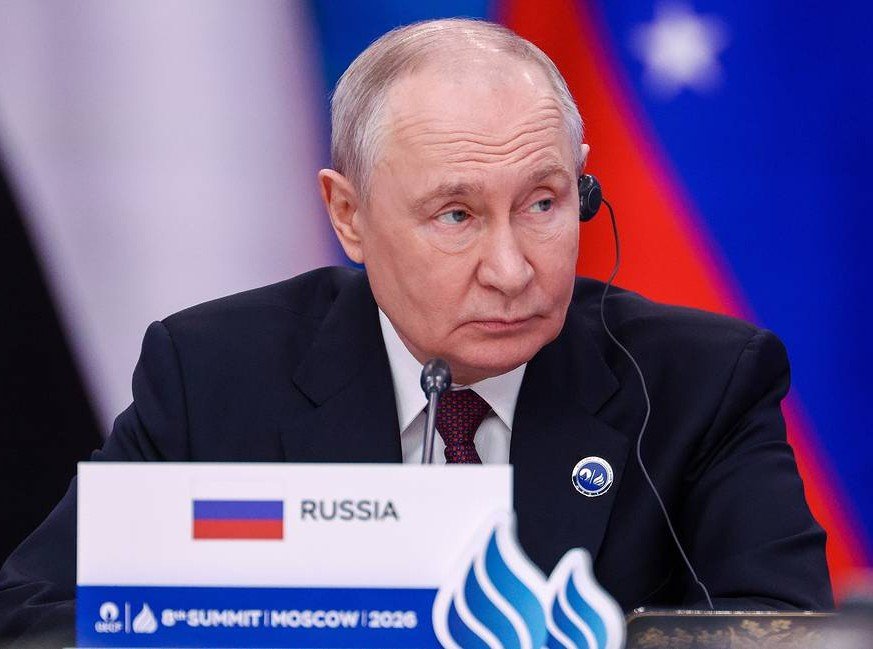
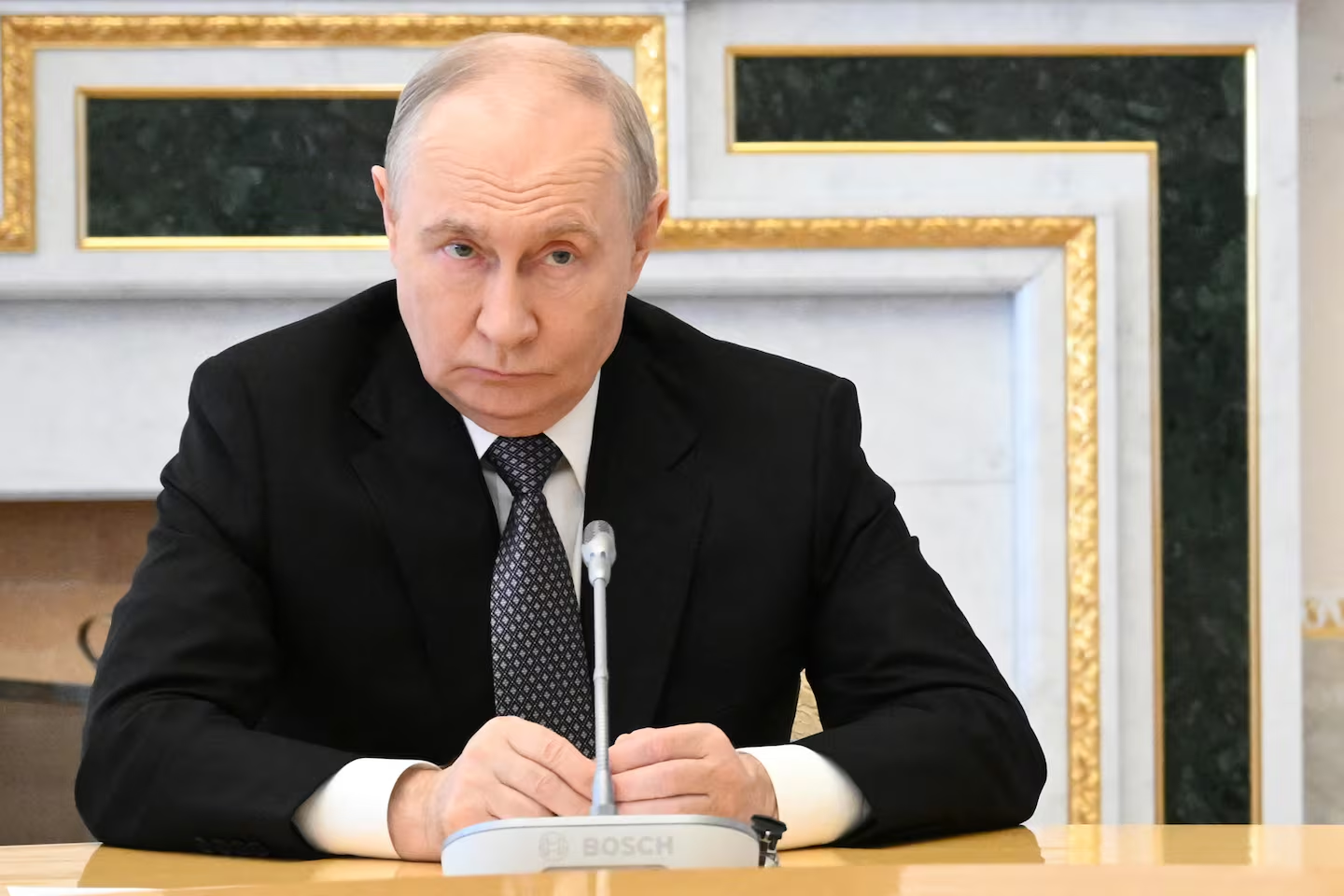
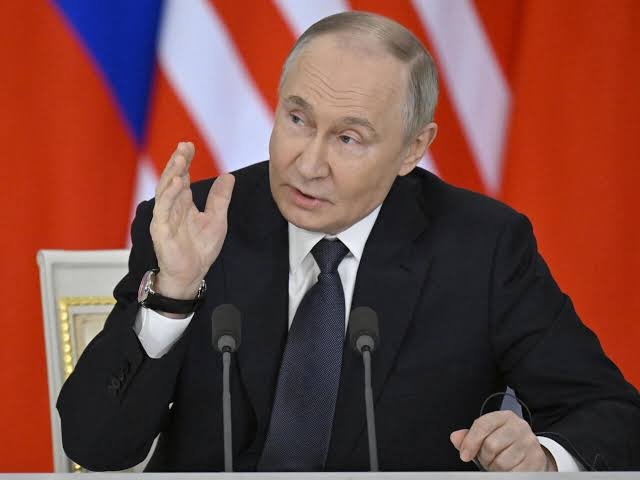
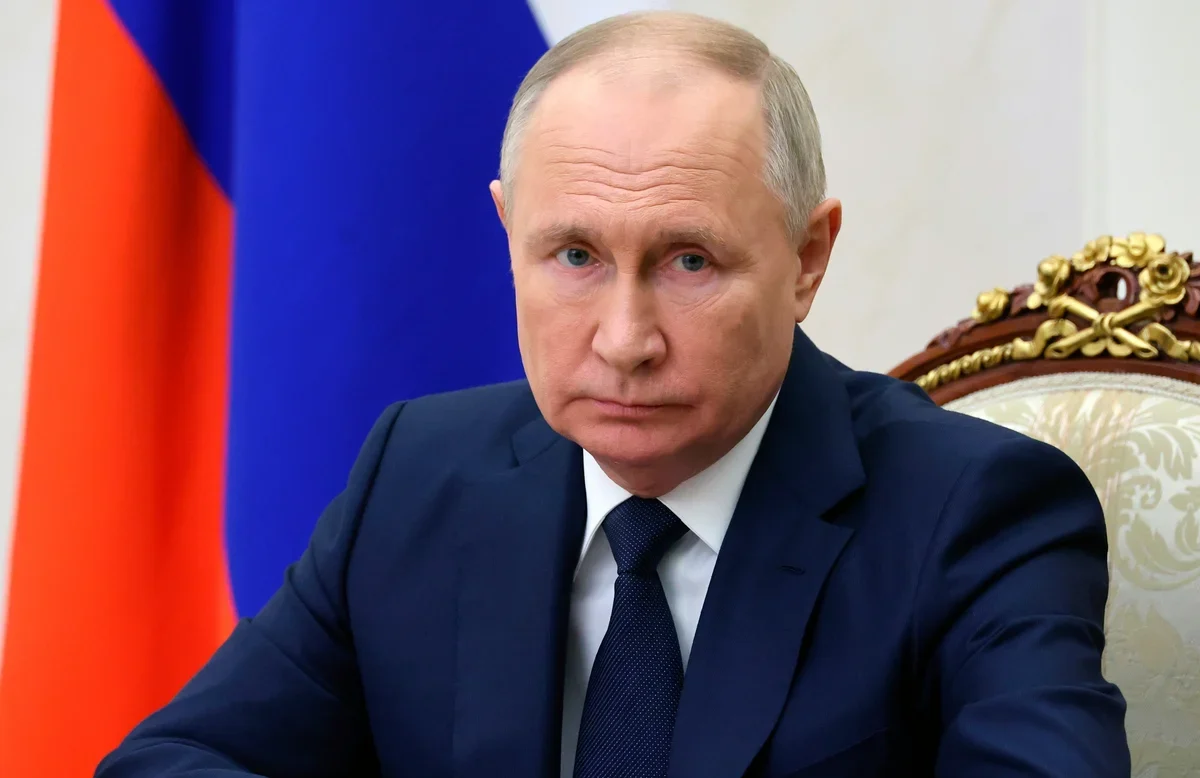
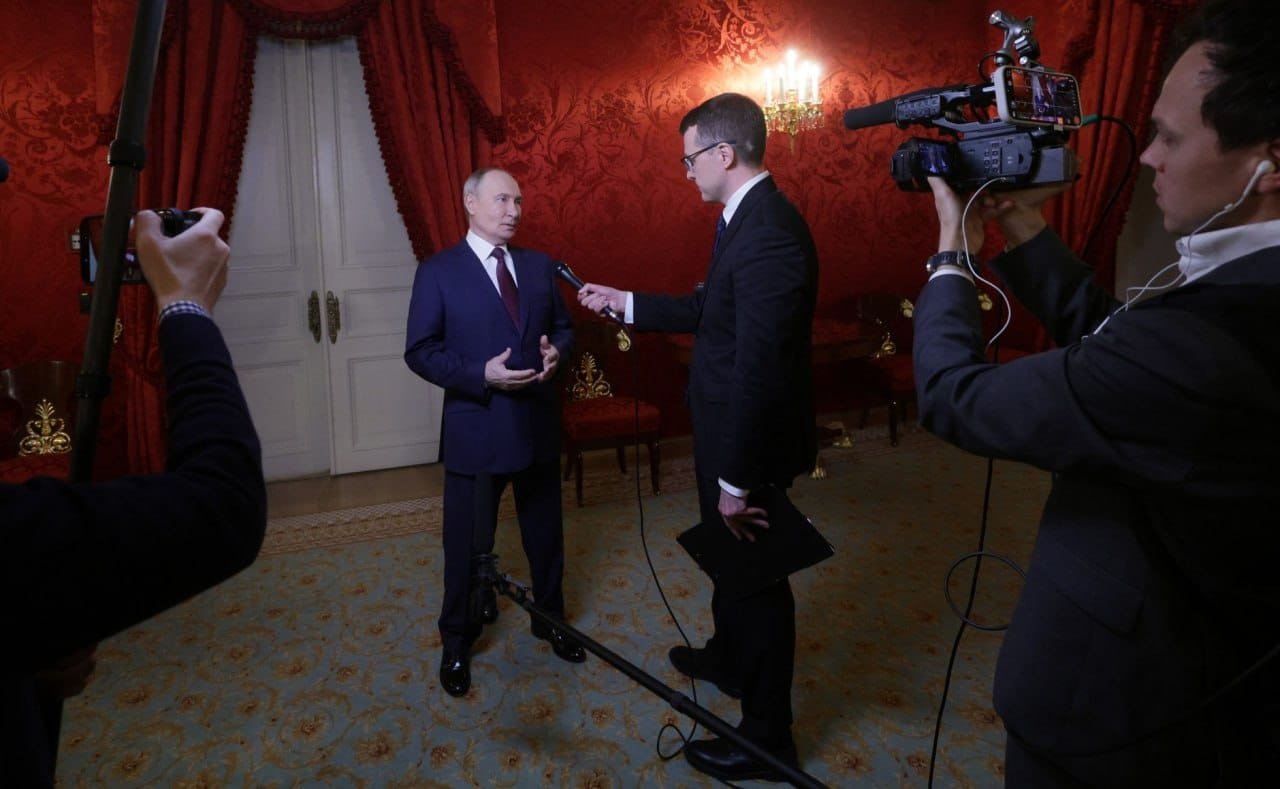
Moscow, October 29, 2026 – The Europe Today: Russian President Vladimir Putin has said that Russia is maintaining a leading position in several areas of the global technology race, while calling for stronger economic, technological and humanitarian cooperation with African countries.
Addressing the Russia-Africa Economic and Humanitarian Forum in Moscow, Putin said the emergence of a multipolar world was an objective and irreversible trend, arguing that international relations should reflect the interests and voices of all countries rather than being determined by a limited number of major powers.
He said the international system was undergoing a transformation towards a more equitable order in which countries could participate in global affairs on the basis of equality and mutual respect.
Russia Emphasises Technological Sovereignty
Putin highlighted technological sovereignty as a strategic priority for Russia, citing progress in information technology and artificial intelligence.
He said Russia had achieved significant results in several technological fields and was developing its own artificial intelligence systems, including two large language models.
According to the Russian president, Russian companies were developing advanced solutions in several areas, with competitors seeking to catch up with or replicate some of the country’s technological developments.
Putin stressed that strengthening technological independence remained a long-term strategic objective for Moscow.
Calls for Stronger Economic Partnership with Africa
The Russian president outlined several areas in which Moscow intends to expand cooperation with African countries, including trade, investment, agriculture, healthcare, digital technology, transport infrastructure and education.
He said Russia was working to support African countries in improving their financial position and addressing debt-related challenges. He also offered to share Russian experience in digital public administration and transfer technological expertise to interested African partners.
Putin argued that cooperation should support local economic development, job creation and the processing of raw materials within African countries rather than focusing solely on the extraction of natural resources.
He added that Russian businesses were seeking to expand local processing activities, which he said could generate employment and increase tax revenues for African economies.
The president also welcomed the continued development of trade and economic relations despite Western restrictions on Russia, expressing appreciation for African countries that have maintained economic engagement with Moscow.
He called for the development of reliable payment mechanisms in national currencies to reduce exposure to external financial restrictions.
Agriculture and Food Security Among Key Priorities
Putin identified agricultural cooperation and food security as important areas of the Russia-Africa partnership.
He said more than 40 African countries were receiving Russian grain and fertilisers, describing Russia as a reliable partner in supporting food security across the continent.
According to figures cited by Putin, Russian exports of agricultural and agro-industrial products to African countries reached 13 million tonnes during the first nine months of 2026, with shipments to some destinations increasing severalfold.
He said Russia was prepared to expand the geographical reach of its agricultural exports and strengthen cooperation with African countries seeking to develop their own agricultural capacity.
Putin also noted that African agricultural products supplied to Russia were valued at approximately US$4 billion in 2026, adding that bilateral agricultural trade offered further opportunities for growth.
In healthcare, he said Russia would continue supporting African partners, including through efforts to localise the production of Russian medicines and vaccines on the continent.
Transport Connectivity and Digital Infrastructure
Putin called for comprehensive cooperation on developing reliable transport and logistics networks to facilitate trade and investment between Russia and African countries.
He identified railway and highway construction and modernisation, maritime routes, transport hubs and digital systems for cargo tracking and customs procedures as important areas for joint projects.
He also invited African airlines to establish flight services to Russia, highlighting the importance of improved connectivity in strengthening commercial and people-to-people relations.
The Russian president said closer cooperation between business communities was essential for translating bilateral agreements and initiatives into practical economic outcomes.
Education and Skills Development
Putin highlighted expanding educational exchanges as another important dimension of Russia-Africa relations.
He said the number of African students enrolled at Russian universities had increased by 50 per cent since 2020, reaching approximately 40,000.
For the 2026–2027 academic year, Russia had increased its scholarship quota for African students to 5,500 places, while also promoting the establishment of branches of Russian universities in African countries.
According to Putin, 58 Russian open education centres were operating in 29 African countries, providing Russian-language instruction and teaching in basic subjects to help prepare students for further education.
He said these initiatives were intended to strengthen educational ties and expand opportunities for academic and professional development.
Putin Cites BRICS’ Role in the Emerging Multipolar Order
Addressing the changing global economic landscape, Putin cited the growing contribution of BRICS countries to the world economy.
He said BRICS members had accounted for more than 40 per cent of global gross domestic product over the preceding five years, compared with less than 30 per cent for the Group of Seven (G7), and argued that the contribution of developing economies would continue to increase.
Putin also described BRICS as a platform where countries with different cultural, religious and development models could cooperate on the basis of equality, mutual respect and solidarity.
He said the grouping’s members were working to address shared challenges relating to international stability, security and economic prosperity.
Calls for Greater African Representation in Global Institutions
Putin reiterated Russia’s support for strengthening Africa’s role in the governance of international financial institutions, particularly the International Monetary Fund and the World Bank.
He called for reforms to make these institutions more responsive to the needs and priorities of developing economies.
The Russian president said greater African participation in key international decision-making processes was important amid changes in the global balance of economic power.
The Russia-Africa Economic and Humanitarian Forum serves as a platform for discussions on political dialogue, trade, investment, technological cooperation and humanitarian exchanges between Russia and African countries. Putin’s remarks underscored Moscow’s stated intention to expand these partnerships as international economic and political relations continue to evolve.