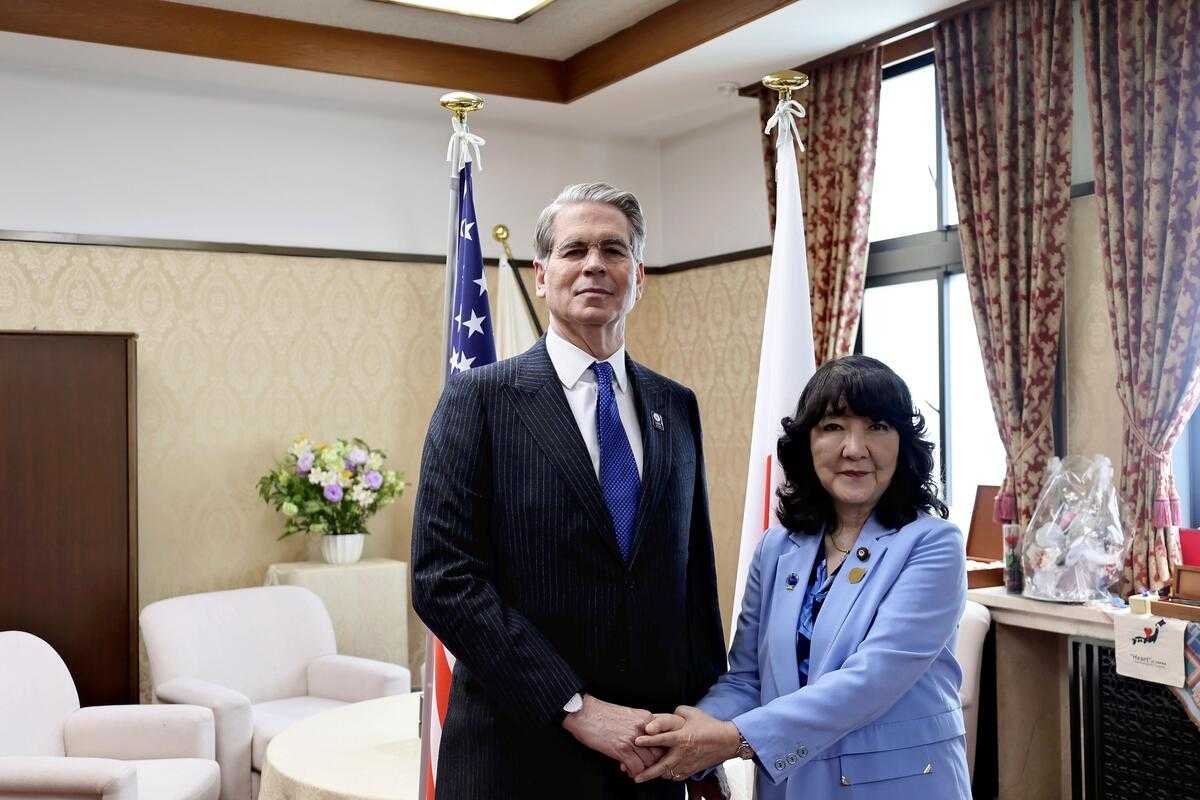
Tokyo, May 12, 2026 – The Europe Today: Japanese Finance Minister Satsuki Katayama said Tuesday that Japan and the United States have agreed to maintain close coordination over recent movements in the currency market following Tokyo’s intervention to stem the yen’s sharp depreciation against the dollar.
Speaking to reporters after meeting U.S. Treasury Secretary Scott Bessent at Japan’s Finance Ministry in Tokyo, Katayama said both sides were working in “good coordination” amid heightened market instability linked to the ongoing conflict in the Middle East.
She noted that Japan’s position regarding currency intervention had received “full support” from the United States.
Bessent later told reporters that both countries shared the view that “excess volatility is undesirable” and confirmed that Washington would remain in close contact with Japan’s Ministry of Finance.
The U.S. treasury secretary also expressed confidence in Japan’s economic fundamentals, stating that the resilience of the Japanese economy would eventually be reflected in the exchange rate.
Bessent is currently visiting Tokyo ahead of U.S. President Donald Trump’s scheduled two-day summit with Chinese President Xi Jinping in Beijing beginning Thursday.
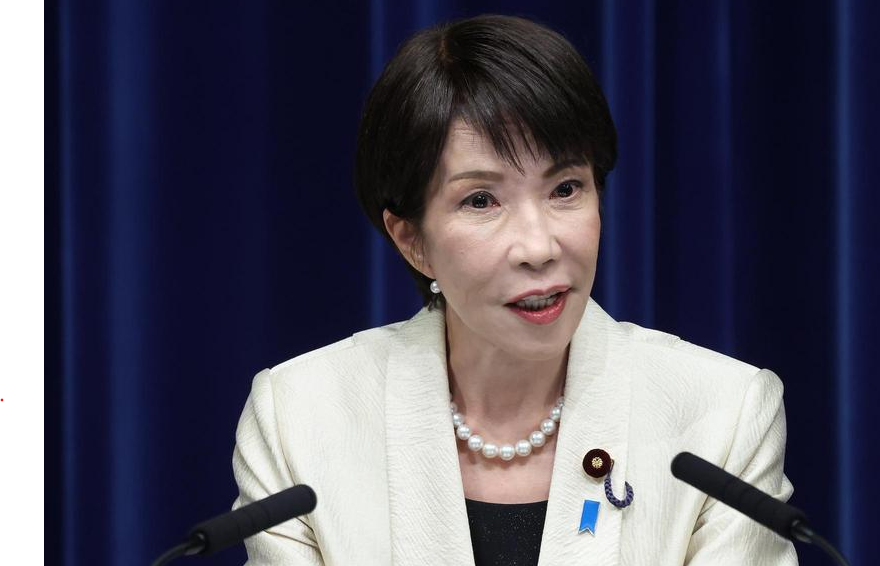
During his visit, Bessent also met Japanese Prime Minister Sanae Takaichi to discuss preparations for the upcoming U.S.-China summit, Japanese investment in the United States, and cooperation on critical mineral supply chains.
The discussions came as continuing instability in the Middle East has intensified investor demand for the dollar as a safe-haven currency, putting renewed pressure on the Japanese yen.
According to government sources, Japanese authorities intervened in the currency market on April 30 after the yen weakened to the upper 160 range against the dollar. Additional yen-buying operations were also believed to have taken place during the Golden Week holidays in early May.
Katayama said both sides reaffirmed a joint understanding reached in September that currency intervention should be used to counter excessive volatility and “disorderly depreciation or appreciation.”
While a weaker yen benefits Japanese exporters by increasing the value of overseas earnings, concerns have mounted over rising import costs for fuel and raw materials, which have increased financial pressure on households and businesses in resource-scarce Japan.
The finance minister also said discussions covered ways to strengthen supply chains for critical minerals ahead of a meeting of Group of Seven finance leaders in Paris next week. The talks are expected to focus on reducing dependence on China for strategic natural resources.
Referring to Beijing’s export controls on critical minerals and dual-use items, Katayama criticized China’s measures against Japan as “terrible and unfair,” adding that the United States had pledged to continue raising the issue with Chinese authorities.
Amid worsening tensions between Japan and China over Taiwan-related issues, Beijing has tightened restrictions on exports of goods that may have both civilian and military applications, including rare earth materials.
Katayama further emphasized the need for closer coordination among Western allies to address risks associated with rapidly advancing artificial intelligence technologies. She specifically referenced the AI model “Claude Mythos” developed by U.S.-based Anthropic, which is reportedly capable of identifying vulnerabilities in critical infrastructure and financial systems.
She warned that China could quickly catch up in developing similar advanced AI systems and stressed the importance of ensuring such technologies are not weaponized by hostile actors.