Manila, May 6. 2026 – The Europe Today: Japan and Philippines have taken a major step toward strengthening defense cooperation by agreeing to establish a bilateral working group to explore the transfer of naval vessels and aircraft, including used destroyer escorts from the Japan Maritime Self-Defense Force (JMSDF).
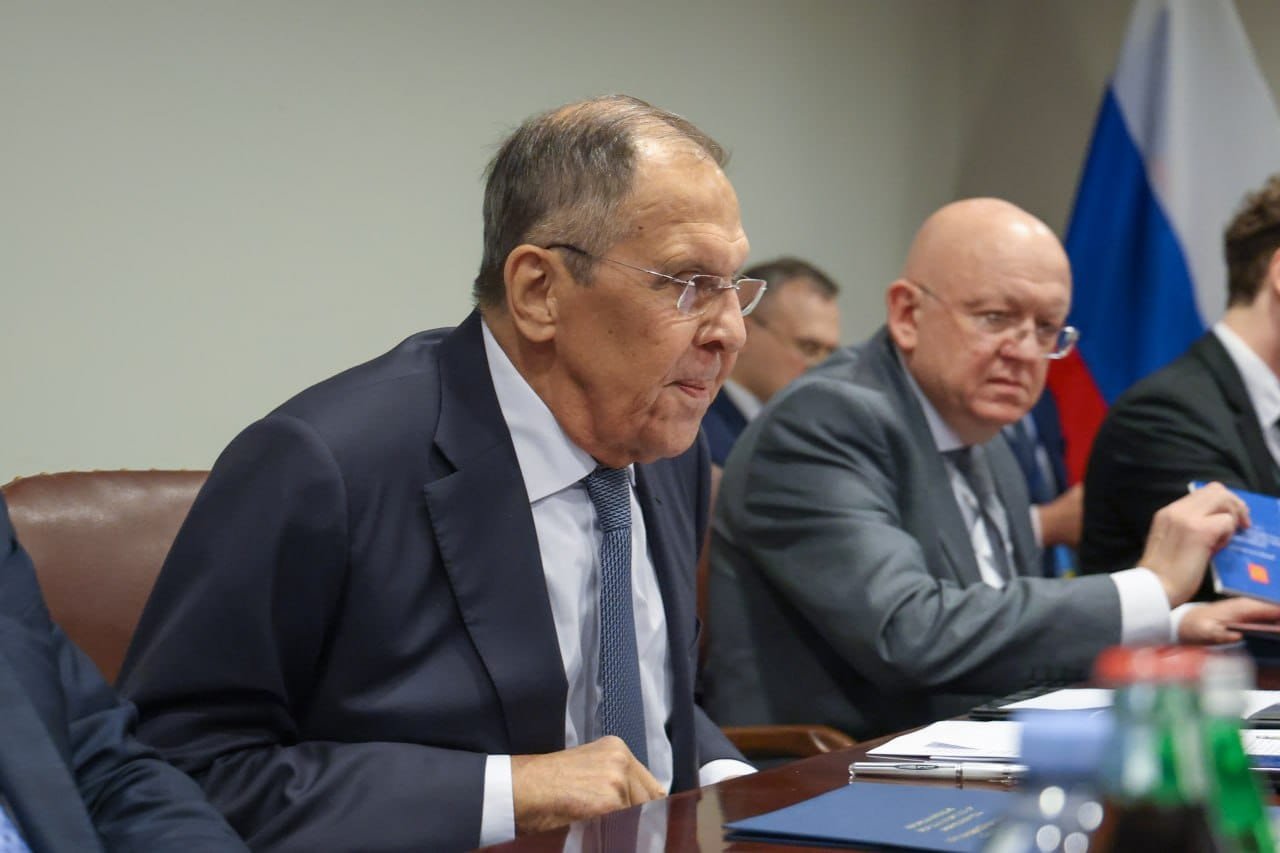
The decision was announced in Manila following talks between Koizumi Shinjiro and Gilberto Teodoro. At a joint press conference, Koizumi confirmed that the working group would assess the potential export of military platforms such as the Abukuma-class destroyer escorts and TC-90 training aircraft, expressing hope for early progress through working-level consultations.
If finalized, the deal could mark Japan’s first export of lethal military equipment under its revised “Three Principles on Transfer of Defense Equipment and Technology,” updated in April to permit such transfers under specific conditions.
Focus on Abukuma-Class Vessels
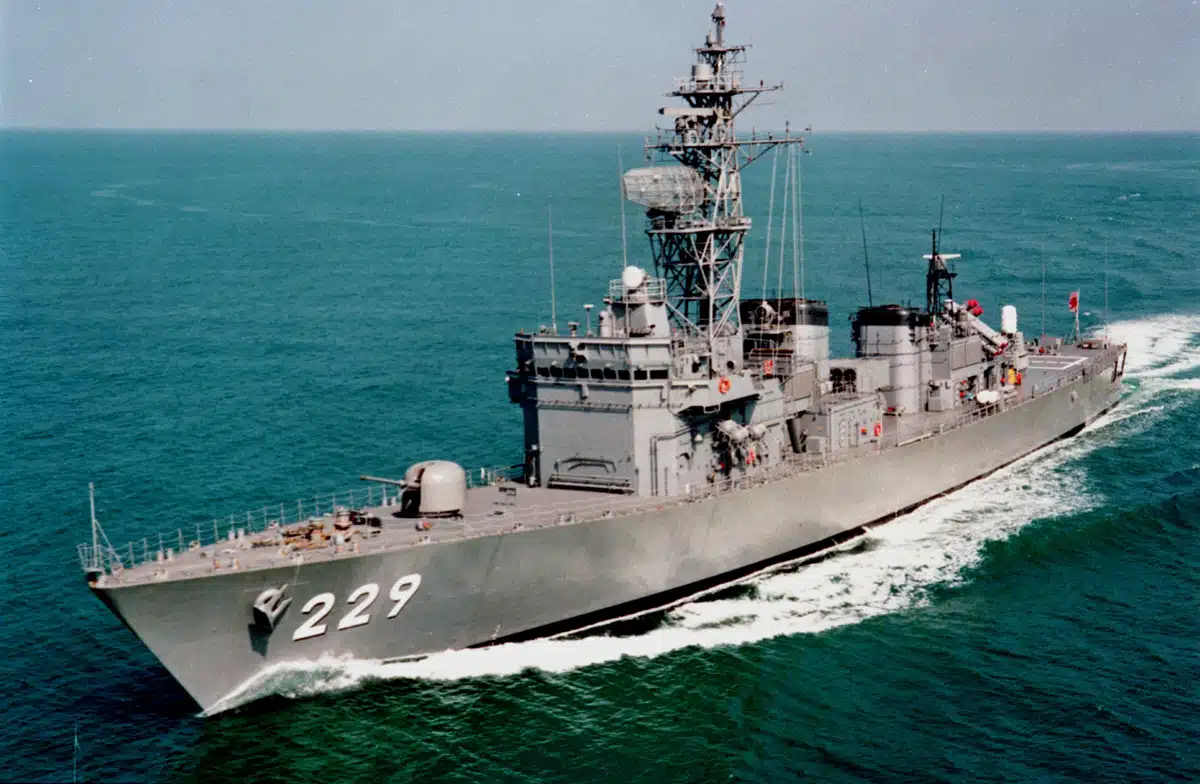
Discussions are expected to center on the Abukuma-class destroyer escorts—six vessels commissioned between 1989 and 1993 with a displacement of around 2,000 tons. Designed primarily for coastal defense and anti-submarine warfare, the ships are equipped with a 76mm main gun, Close-In Weapon System (CIWS), Harpoon anti-ship missiles, ASROC anti-submarine rockets, and lightweight torpedoes.
Although lacking advanced air-defense systems, the vessels are considered well-suited for littoral and maritime security operations in archipelagic environments such as the Philippines. Japanese officials are reportedly considering a grant-based transfer, with potential delivery as early as 2027, subject to negotiations.
Strategic Drivers
The initiative reflects growing strategic alignment between Tokyo and Manila amid rising tensions in the South China Sea and East China Sea. Both sides have reiterated their opposition to unilateral attempts to alter the status quo by force.
For Japan, enhancing the Philippines’ maritime capabilities is seen as vital for safeguarding key sea lanes, including the Bashi Channel, a critical route for energy imports. For Manila, the move addresses immediate security concerns and capability gaps.
Bridging Capability Gaps
The proposed transfer comes as the Philippines continues to pursue its military modernization program under successive “Horizon” phases. While earlier phases introduced assets such as FA-50 light combat aircraft and José Rizal-class frigates, progress has been uneven.
The expanded “Re-Horizon 3” program (2023–2033), approved by President Ferdinand Marcos Jr., aims to strengthen external defense capabilities with a projected budget of approximately 2 trillion pesos. However, financial and implementation challenges have underscored the need for interim solutions.
In this context, second-hand platforms like the Abukuma-class are viewed as a practical means to enhance naval capacity while awaiting the delivery of new assets.
Operational Challenges
Despite their potential benefits, integrating Japanese-built vessels into the Philippine Navy could pose logistical and operational challenges. Manila’s recent acquisitions have largely been based on South Korean platforms, resulting in standardized systems and training frameworks.
The introduction of Japanese vessels may require adjustments in maintenance, supply chains, and personnel training, potentially increasing operational complexity and lifecycle costs.
Expanding Defense Cooperation
Beyond naval platforms, the working group is also expected to explore the transfer of aircraft and surveillance systems. Japan has previously supplied TC-90 training aircraft and air surveillance radar systems to the Philippines, which have been positively received.
Defense ties between the two countries have expanded steadily, highlighted by the entry into force of a Reciprocal Access Agreement (RAA) in 2025, enabling closer military coordination and joint training.
Outlook
The planned transfer of Abukuma-class vessels represents a significant test of Japan’s evolving defense export policy. Since 2014, Tokyo has gradually eased restrictions on arms exports in response to shifting regional security dynamics and the need to sustain its defense industry.
While discussions remain ongoing, the establishment of a formal working group signals increasing momentum. The outcome will not only shape the Philippines’ near-term defense capabilities but also influence Japan’s future role in regional security as Indo-Pacific tensions persist.