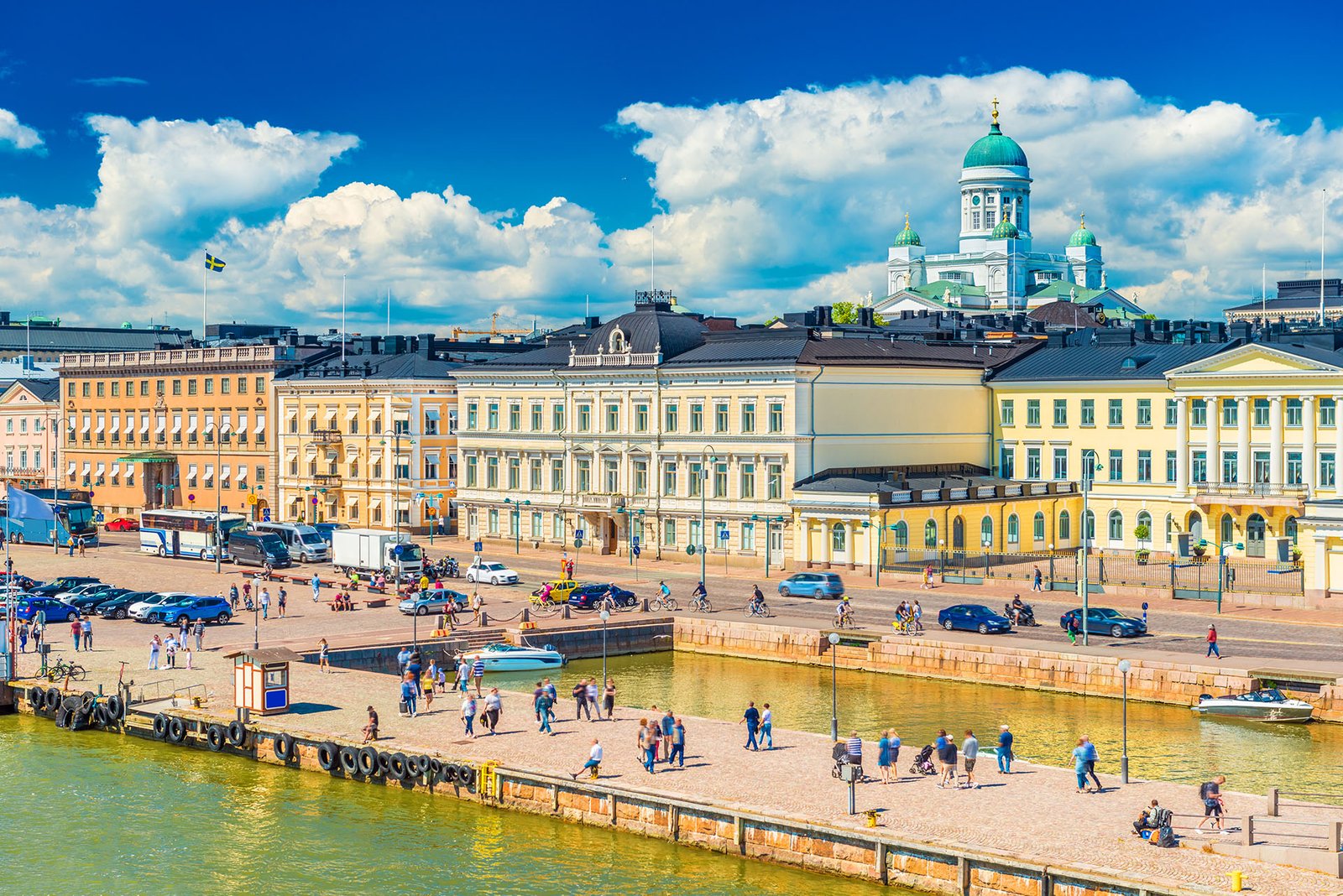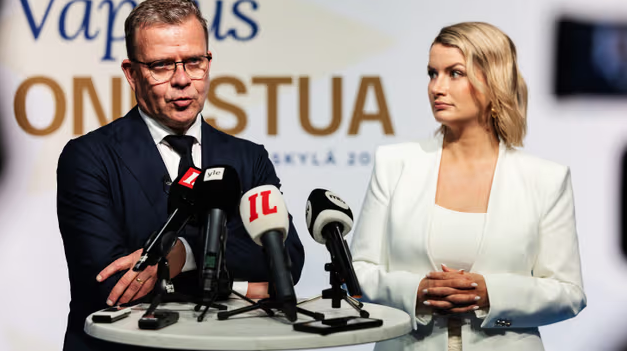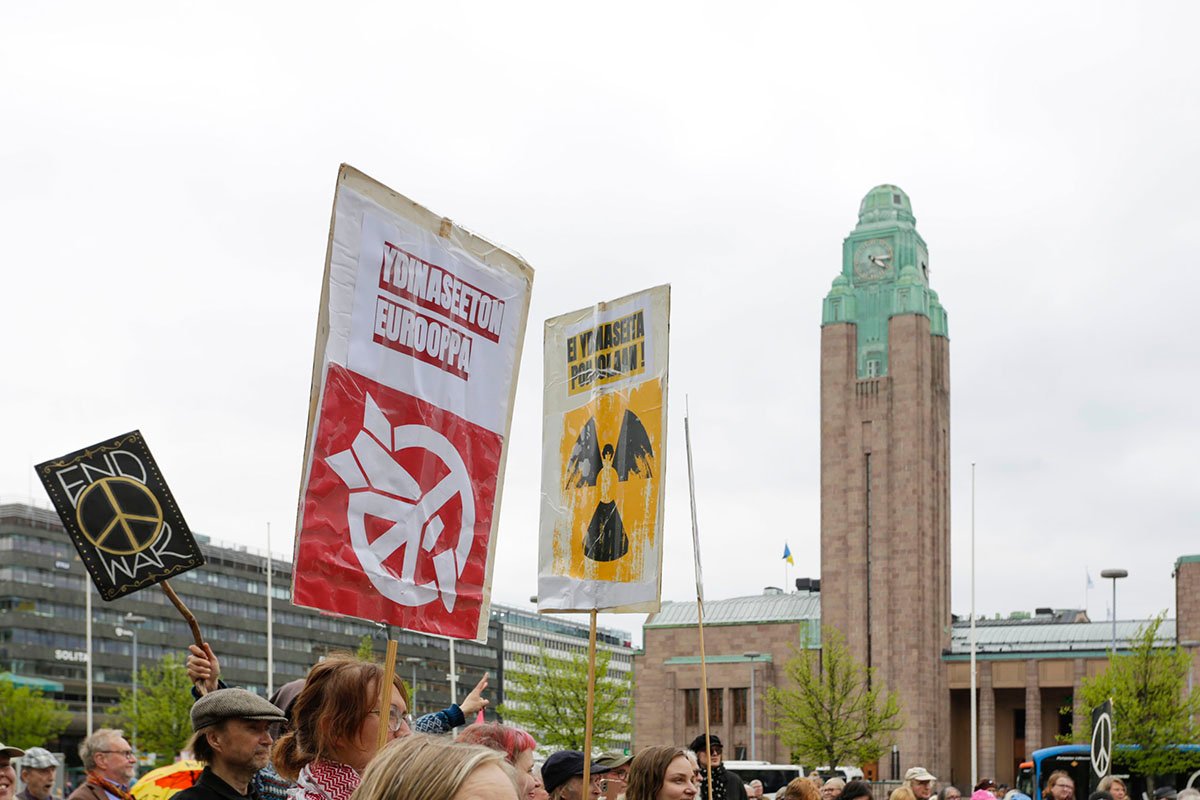
Helsinki, May 30, 2026 – The Europe Today: Finland is facing mounting political and public opposition over a government proposal to amend a decades-old law that prohibits nuclear weapons from being stationed on Finnish territory, a move critics warn could undermine national security and increase regional tensions.
The legislation dates back to 1987, when Finland maintained a policy of neutrality while managing its relationship with the Soviet Union. The Nordic nation, which gained independence in 1918 following the collapse of the Russian Empire and the Bolshevik Revolution, retained the prohibition even after the end of the Cold War, with public opinion remaining strongly opposed to nuclear weapons.
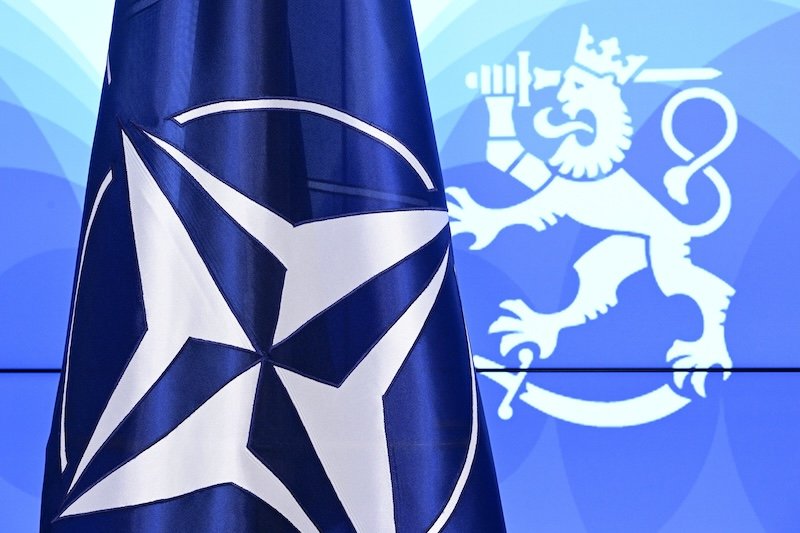
However, Finland’s security policy shifted significantly in 2023 when it joined NATO following Russia’s full-scale invasion of Ukraine in 2022. The Finnish government argues that the existing law is incompatible with NATO membership, citing the alliance’s reliance on nuclear deterrence as part of its broader security strategy.
Critics reject that argument, noting that the North Atlantic Treaty does not require member states to host nuclear weapons on their territory and makes no explicit reference to nuclear arms. Opposition parties, including the Social Democrats and the Left Alliance, have voiced concerns about the proposal, while recent opinion polls indicate that a majority of Finns oppose changing the law.
A coalition of civil society organizations and anti-nuclear campaign groups has also challenged the government’s position, arguing that there is no operational requirement for nuclear weapons to be stationed in Finland. They contend that the country’s strong conventional military capabilities provide sufficient deterrence and defense.
Security analysts have warned that allowing nuclear weapons on Finnish soil could have unintended consequences. Researchers have suggested that Finland’s proximity to key Russian military installations could lower Moscow’s threshold for pre-emptive action during a crisis, potentially making Finland a target in any future conflict between NATO and Russia.
The debate also reflects a broader shift in Finland’s international stance on nuclear disarmament. Since joining NATO, Finland has stated that alliance membership is incompatible with joining the Treaty on the Prohibition of Nuclear Weapons and has changed its voting position at the United Nations, opposing resolutions welcoming the treaty’s adoption after previously abstaining.
Anti-nuclear advocates argue that these policy changes are not legally required by NATO membership and could weaken Finland’s longstanding commitment to arms control and international law.
Melissa Parke, Executive Director of the International Campaign to Abolish Nuclear Weapons (ICAN), said Finland’s nuclear prohibition law remains an important safeguard rather than an outdated policy. She argued that Russia’s repeated nuclear threats during the war in Ukraine have failed to secure military advantages or force political concessions, demonstrating that nuclear weapons are ineffective as tools of warfare.
The proposed amendment continues to generate intense debate in Finland, with lawmakers, security experts and civil society groups divided over whether hosting nuclear weapons would strengthen the country’s security or expose it to greater risks.