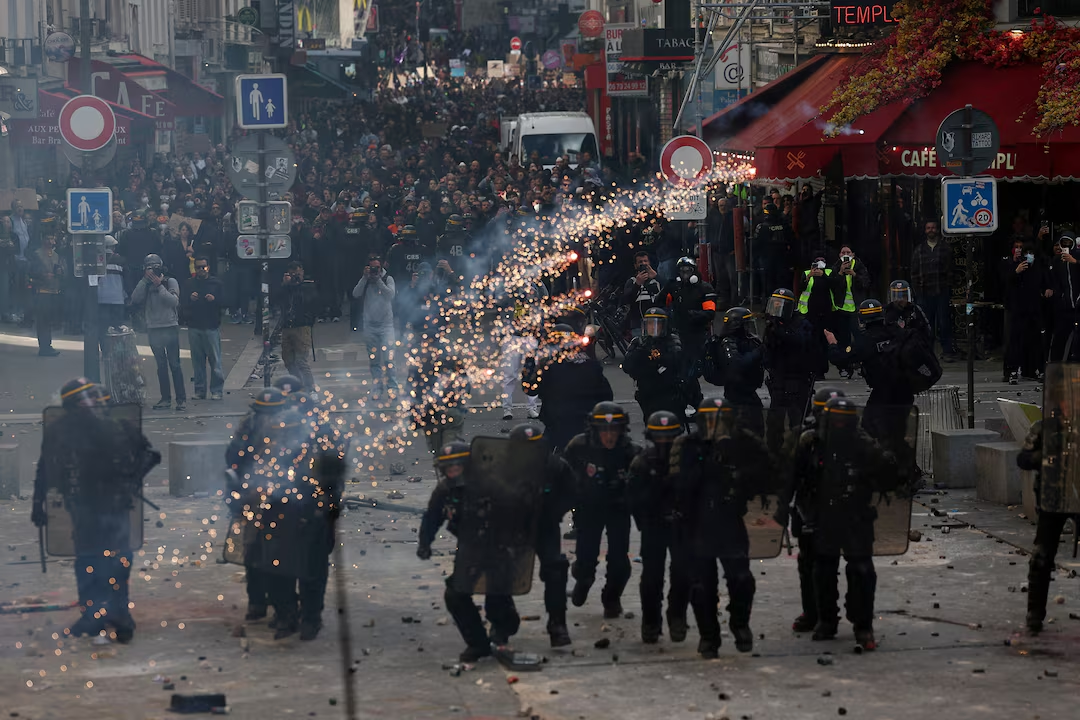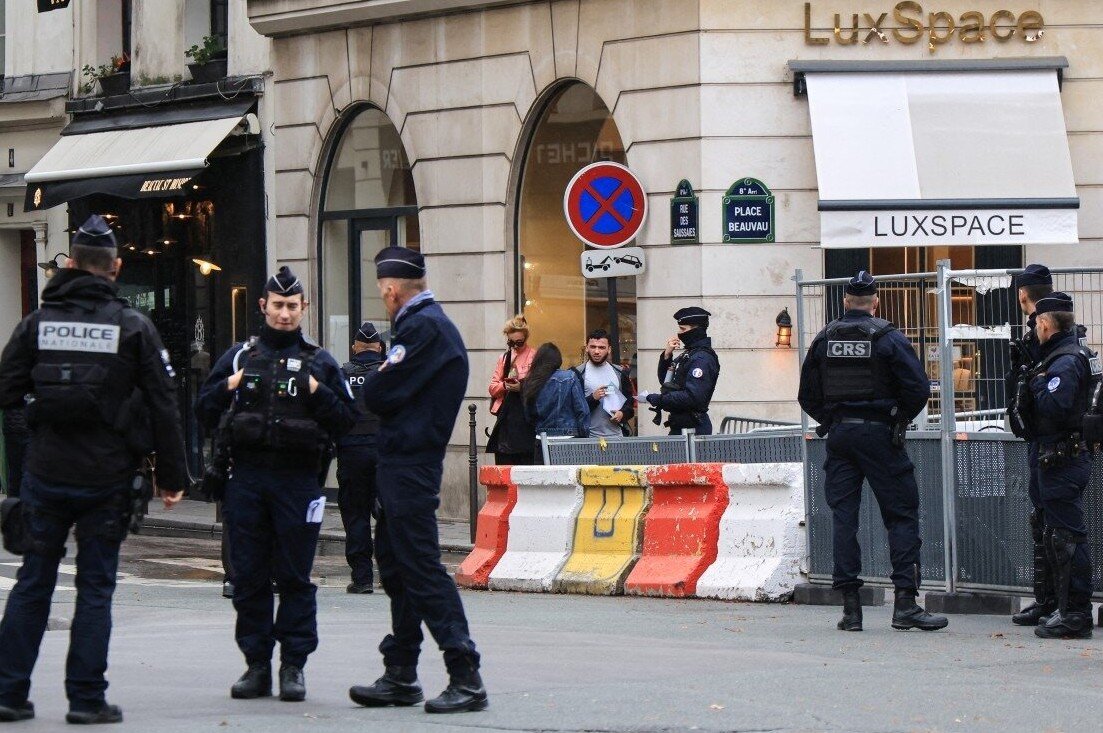
Paris, October 24, 2026 – The Europe Today: France has placed its security forces on high alert ahead of a new round of nationwide protests scheduled for Saturday, with authorities deploying 70,000 police officers amid fears of renewed unrest following a week of demonstrations, vandalism and looting.
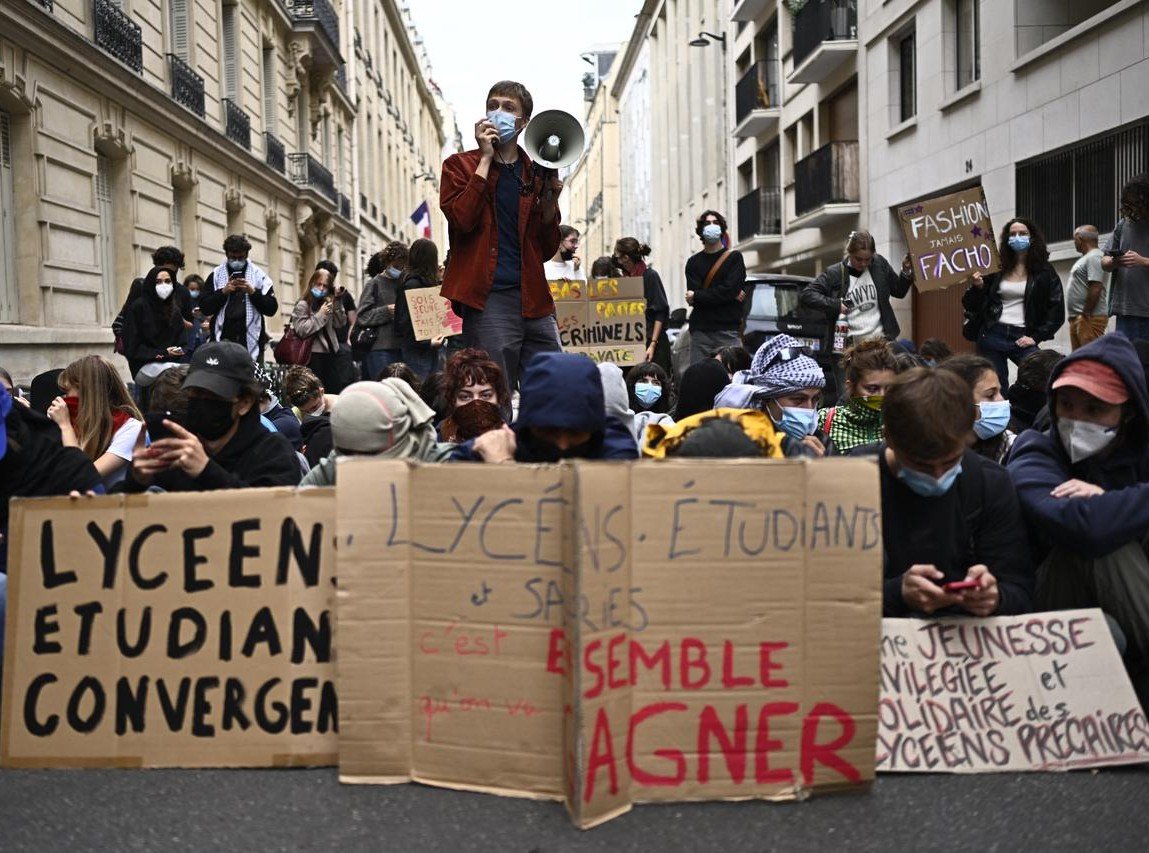
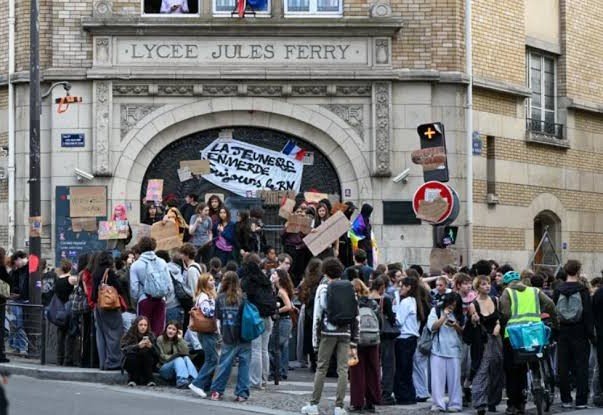
Hundreds of thousands of protesters are expected to gather in Paris and other French cities for a second wave of demonstrations organised by student groups, trade unions and broader anti-government movements, despite extensive restrictions imposed by authorities.
The Interior Ministry’s deployment aims to reinforce security across major urban centres and prevent a recurrence of the unrest witnessed on October 17, which opposition parties said the government had failed to anticipate adequately.
Interior Minister Laurent Nuñez warned that authorities would take a firm stance against violence and damage to property.
“We will not let anything go unchallenged,” Nuñez said, adding that the government would be uncompromising towards vandals, looters and individuals involved in violent acts.
The minister also warned of calls for violence circulating on social media, which he attributed to elements of the far left and radical extreme left, separately from the planned demonstrations.
In recent days, hundreds of people have been jailed following expedited court proceedings over offences including vandalism, arson and looting.
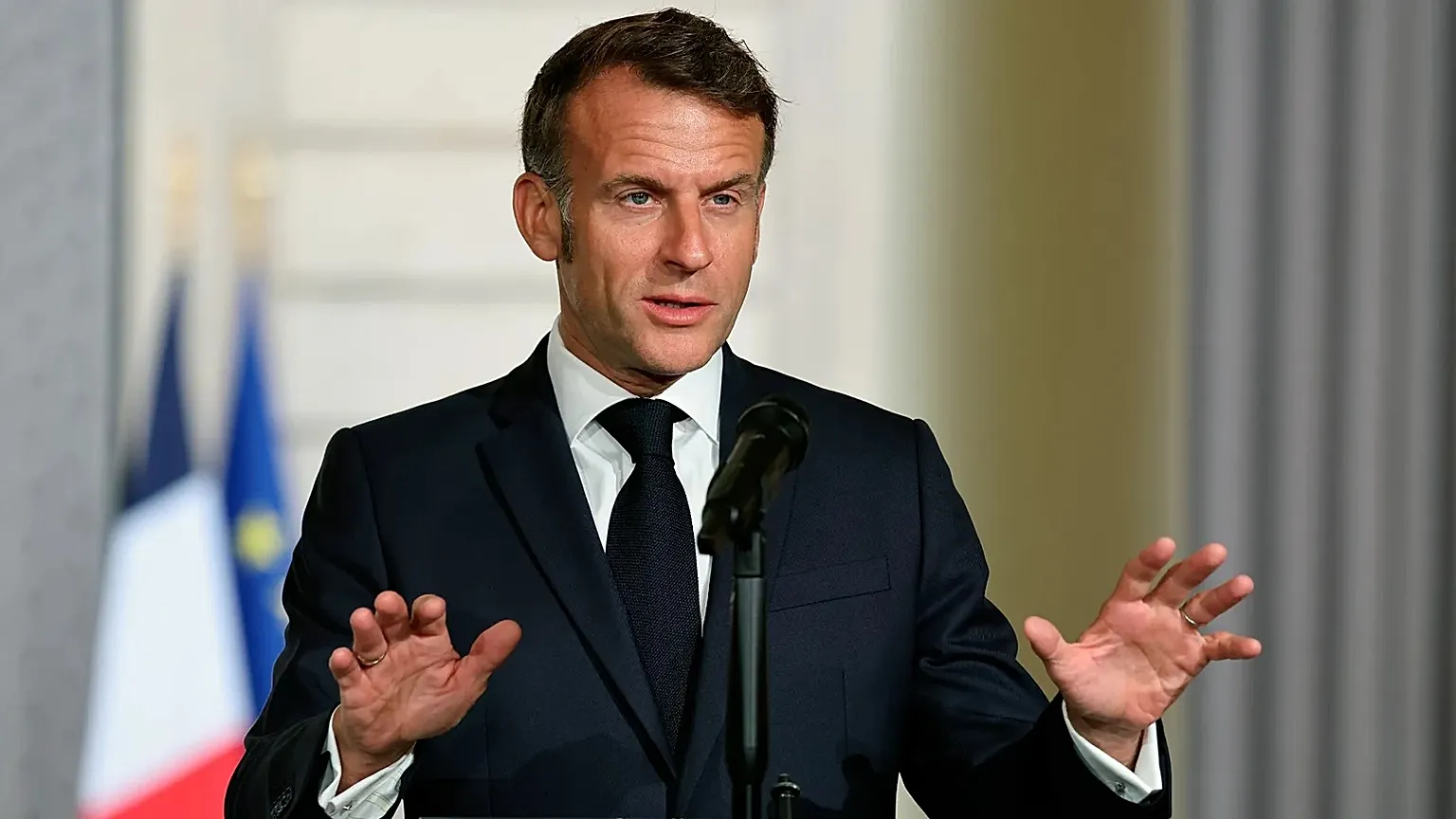
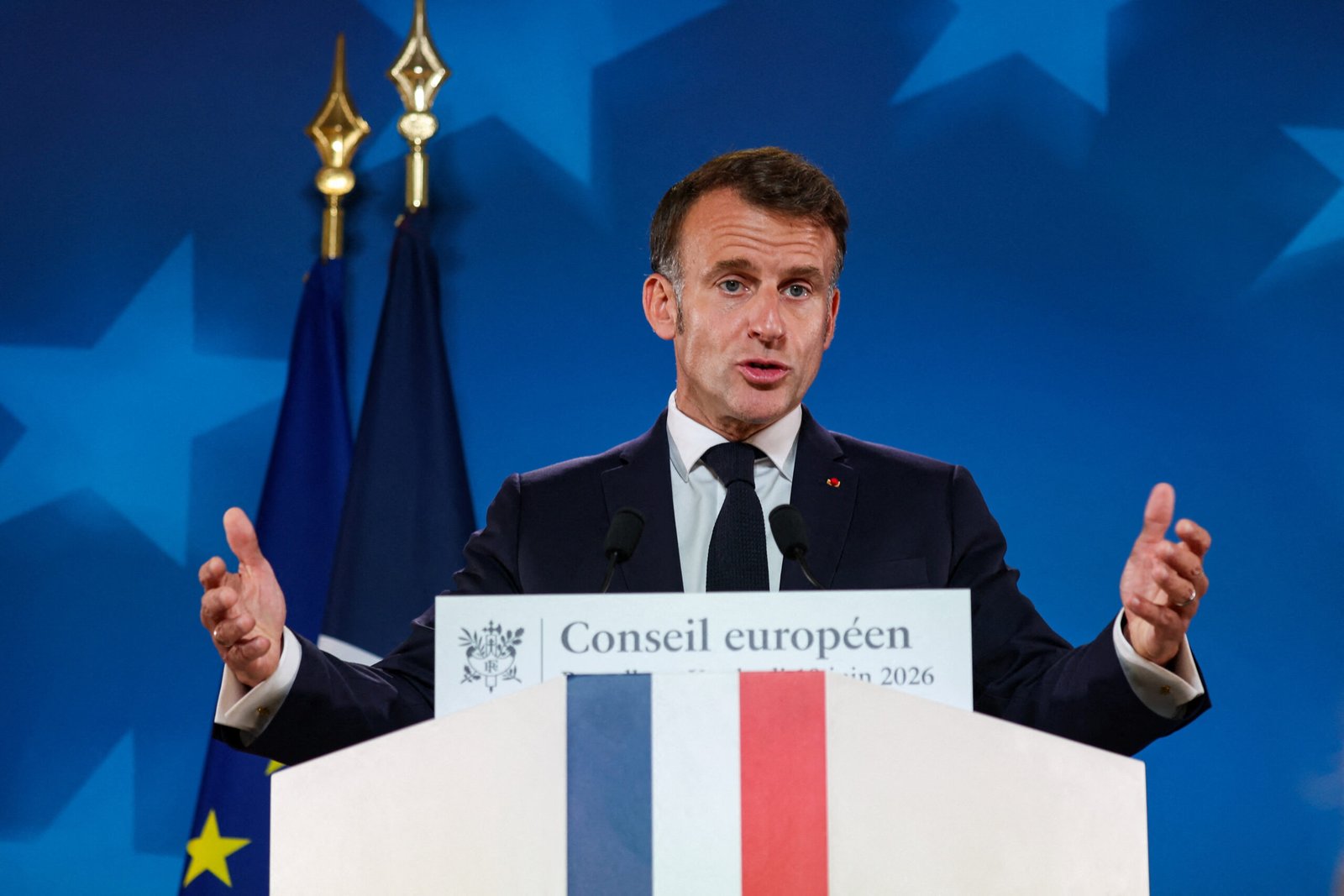
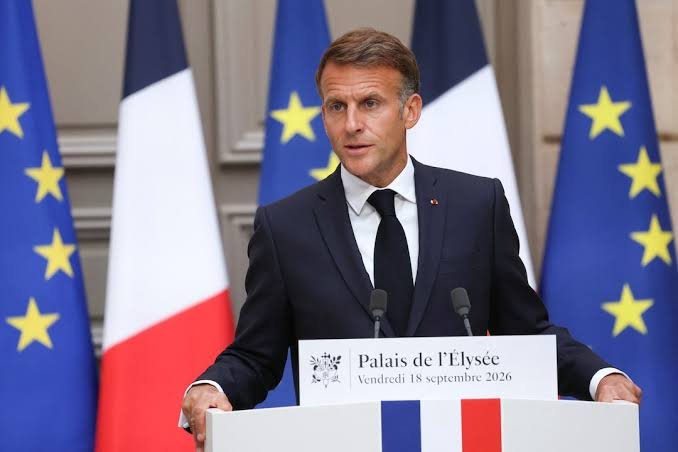
On Friday, President Emmanuel Macron met representatives of high-school students ahead of Saturday’s planned protests. Although the representatives said the president had made clear commitments to them, they urged students to continue mobilising.
Earlier in the week, Macron issued a decree allowing only demonstrations organised by recognised trade unions to proceed on Saturday. Several major cities, including Lyon, Nice and Montpellier, subsequently announced wider prohibitions on public gatherings.
Despite the restrictions, organisers have continued preparations for hundreds of demonstrations of varying sizes across the country.
The extent of the restrictions differs by location. Some municipalities have maintained broad bans on demonstrations, while others have agreed to permit marches registered with local authorities. In Marseille, an earlier order prohibiting all protests was quickly reversed to allow a trade union-organised march to take place.
In Paris, a march organised by a student trade union and supported by labour groups has been directed along a route avoiding the city centre. Meanwhile, security preparations have intensified in several prominent areas of the capital in anticipation of possible disturbances.
The anticipated protests have also disrupted cultural and sporting activities. The Louvre, Orsay and Picasso museums are scheduled to remain closed on Saturday, while a Paris Saint-Germain home football match has been postponed until Monday.
Some businesses in the capital have boarded up their windows as a precaution against potential looting and property damage.
The latest mobilisation follows a week of heightened tensions, during which partial curfews were imposed in some areas, including parts of Paris. The differing approaches adopted by local authorities reflect the challenge of balancing public order with the organisation of demonstrations.
With thousands of additional security personnel deployed and restrictions varying across the country, French authorities face a critical test in preventing further violence while managing widespread public demonstrations.