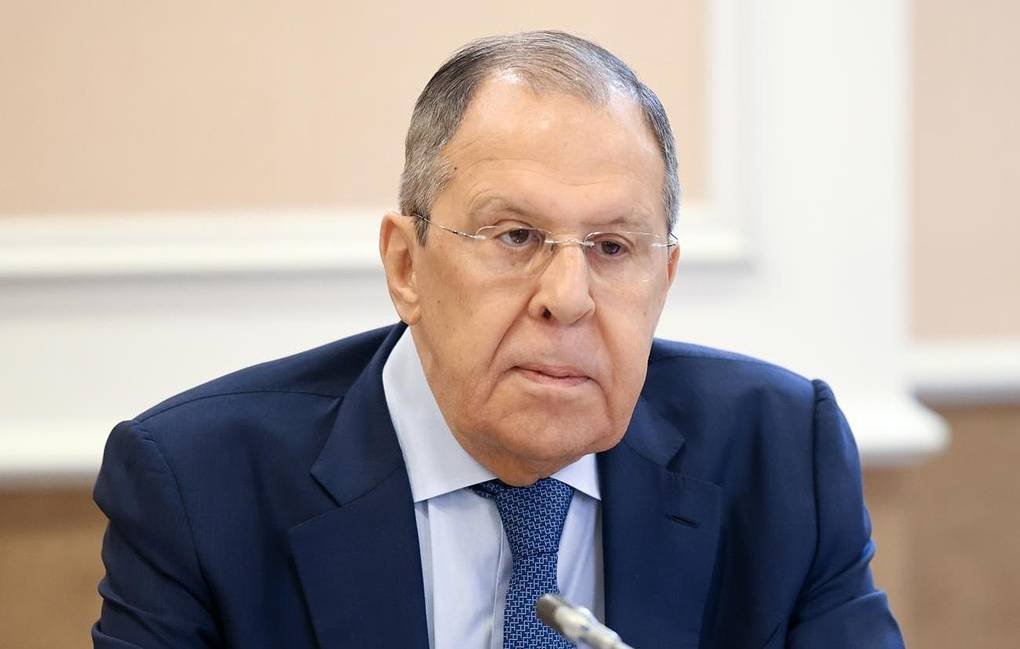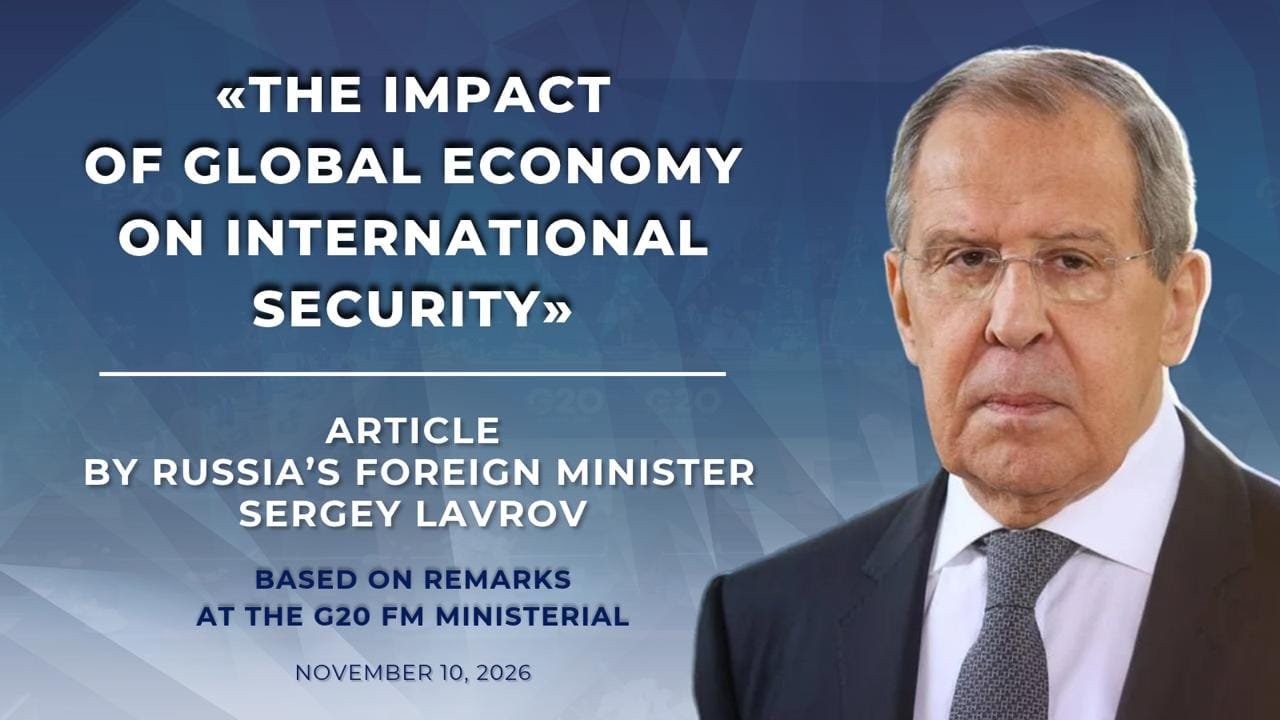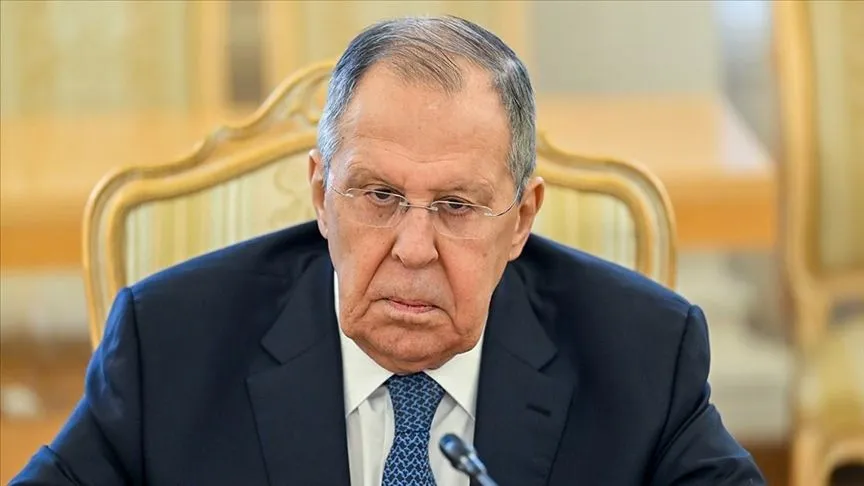
Manila, The Europe Today: Russia is going into the 21st East Asia Summit with a blunt message for the West. Foreign Minister Sergey Lavrov will lead the Russian delegation at the gathering in Manila, held alongside the ASEAN summit. Moscow plans to use the meeting to push back against what it calls Western efforts to expand NATO’s presence in Asia.
Foreign Ministry Spokeswoman Maria Zakharova announced the trip. She said participants would discuss the geopolitical situation in the Asia-Pacific and the “risks to its peaceful and stable development” that come from Western attempts to bring NATO into the region. Her remarks make it clear that Russia will treat the East Asia Summit as one of its most important stages this year for challenging Western security plans in Asia.
Moscow Draws a Red Line at the East Asia Summit
Zakharova warned against any attempt to turn the EAS into an instrument of confrontation. She stressed that the forum has always had a peace-oriented agenda, built around practical cooperation on the economy, energy, healthcare, food security, education and regional connectivity.
In Moscow’s view, military blocs have no place at that table. The warning fits Russia’s long-standing objection to NATO activity outside the Euro-Atlantic area. It also shows that the Kremlin intends to argue the point with Asian partners face to face rather than from a distance.
Who Sits at the East Asia Summit Table
The annual East Asia Summit brings together 18 countries: the ASEAN member states plus China, South Korea, Japan, Australia, India, New Zealand, Russia and the United States. The regional family grew when Timor-Leste formally joined ASEAN on October 26, 2025.
These participants account for a large share of the world’s population and economic output. That makes the East Asia Summit one of the few forums where Washington, Moscow, Beijing, New Delhi and Tokyo all meet in the same room. When tensions run high, it becomes a closely watched barometer of where Asia’s balance of power is heading.
Philippines Hosts a Crucial ASEAN Week Under Marcos Jr.
The ASEAN summit runs in the Philippines from November 15 to 17 under President Ferdinand Marcos Jr. Manila has become the diplomatic capital of the region for the week, as leaders and foreign ministers hold back-to-back meetings on trade, security and regional stability.
Lavrov already knows Manila well this year. He visited in July for ASEAN-related events and held several bilateral meetings, including talks with US Secretary of State Marco Rubio. Moscow has not said whether he will meet other counterparts during this visit, which has left diplomats and analysts guessing about possible sideline encounters.
From Manila to Shenzhen: A High-Stakes Week for Asia
Some East Asia Summit discussions may overlap with the APEC summit in Shenzhen on November 18-19. On November 19, Chinese President Xi Jinping is scheduled to meet Russian President Vladimir Putin and US President Donald Trump.
With the summits in Manila and Shenzhen running almost back to back, the region now has one of the busiest stretches of great-power diplomacy in recent memory. What Lavrov says in Manila could set the tone for the talks between the three leaders in China a day later.
Why the East Asia Summit Matters Now
The stakes go well beyond one meeting. Russia wants to show it still has a strong voice in Asia. The United States is working to strengthen its partnerships across the Indo-Pacific. ASEAN, meanwhile, wants to keep its forums neutral and focused on development. How these goals collide in Manila could shape the region’s security debate well into the coming year.