Sydney, April 28, 2026 – The Europe Today: The Australian government has unveiled a new policy framework aimed at increasing financial contributions from major technology companies to support the country’s struggling news industry, signaling a renewed regulatory push against global digital platforms.
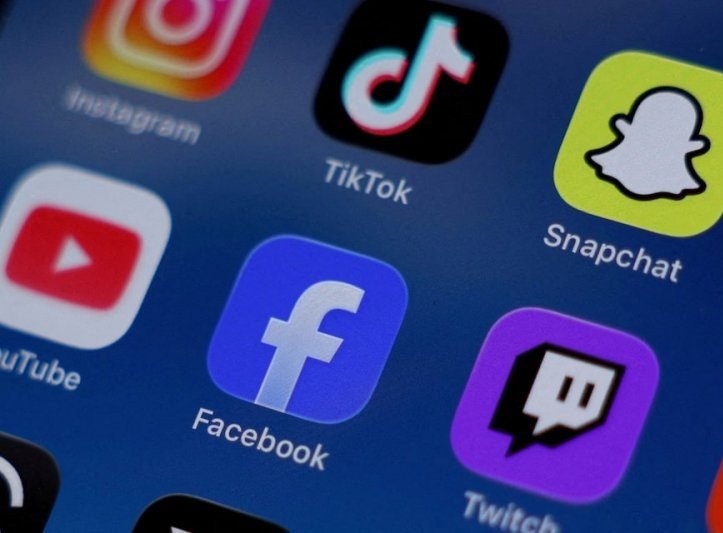
Under the proposed “News Bargaining Incentive,” companies such as Meta Platforms, Google, and TikTok could face multimillion-dollar charges if they fail to negotiate payment agreements with Australian media organizations.
The plan includes a levy of approximately 2 percent on the local revenues of these platforms, which would be लागू unless they enter into deals to compensate news publishers for content distributed through their services. The measure is expected to come into effect from July 1, marking the beginning of Australia’s 2025–26 financial year.
Officials say the initiative is designed to safeguard public-interest journalism as news consumption increasingly shifts toward digital platforms and search engines. Communications Minister Anika Wells emphasized that the policy seeks to address an imbalance in the media ecosystem, noting that technology companies derive significant value from news content without adequately supporting its production.
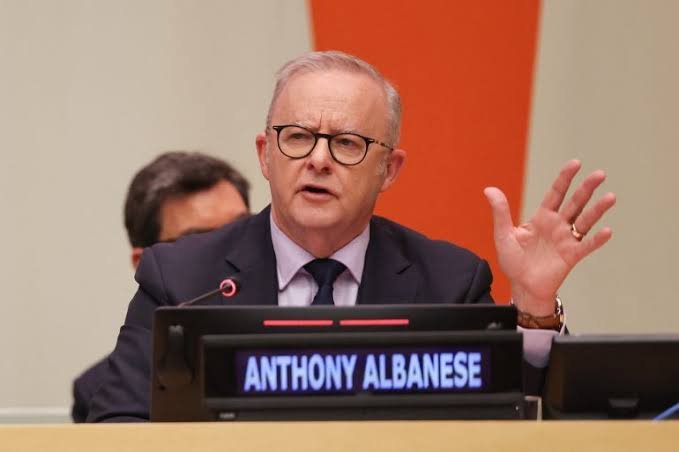
Prime Minister Anthony Albanese reiterated the government’s commitment to pursuing policies in the national interest, despite criticism from Donald Trump, who has opposed digital taxation measures targeting American technology firms and warned of possible retaliatory tariffs.
According to the proposal, companies that voluntarily sign agreements with news publishers would receive financial offsets, with additional incentives provided for partnerships involving smaller and regional media outlets. Revenue generated through the levy would be redistributed among news organizations, with allocations partly determined by the number of journalists they employ.
The new framework is intended to replace the country’s 2021 media bargaining code, which mandated payments for news content but has since been viewed by policymakers as less effective. That earlier legislation prompted a strong response from Meta, which temporarily blocked news content on its platforms in Australia before reaching agreements with several publishers—arrangements that expired in 2024.
While TikTok has declined to comment on the latest proposal, Meta and Google have yet to issue formal responses, raising the prospect of renewed tensions between governments and major technology firms over the regulation and monetization of digital news content.